
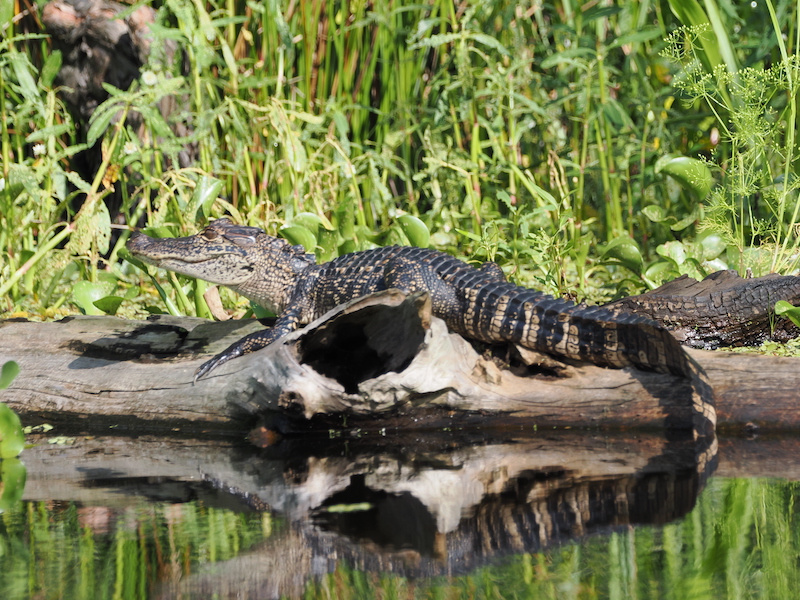
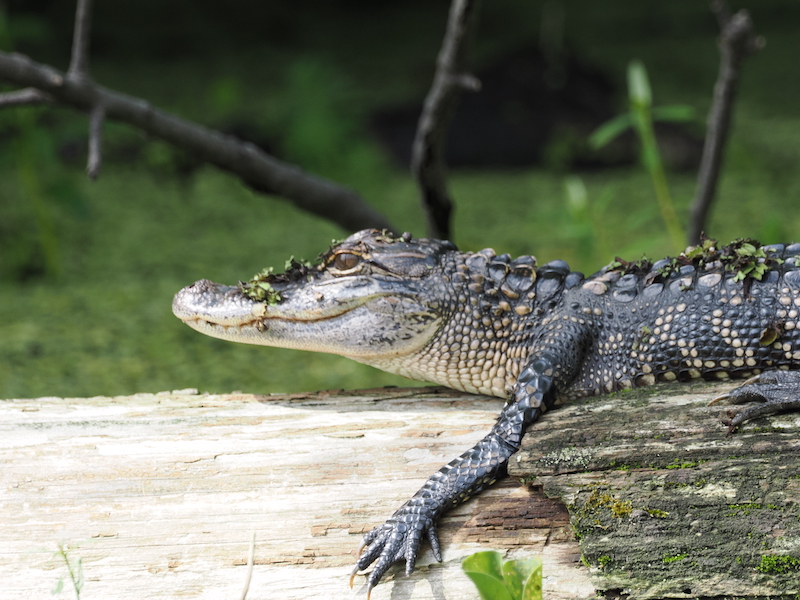
We were in New Orleans for three weeks. This is going to be a long post because we did a lot and took a lot of photos! One of the first touristy things we did was to take a swamp tour on an airboat. The group was “Ragin Cajun” and they operated in a private swamp where they fed the alligators. The airboat is a flat bottomed boat with two benches that sit three plus the driver’s seat and is driven by a big fan on the back. We had five passengers and the driver on our boat. The boat was fast and noisy but we also slowed down and even sat in some spots for a while to wait for wildlife. We saw maybe two other boats while we were out even though there were probably 10-12 boats that left at the same time as us.
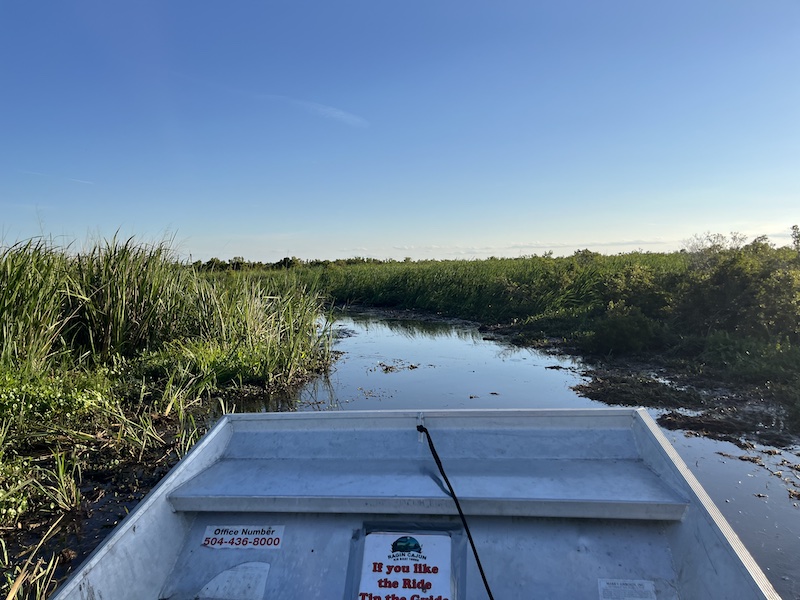
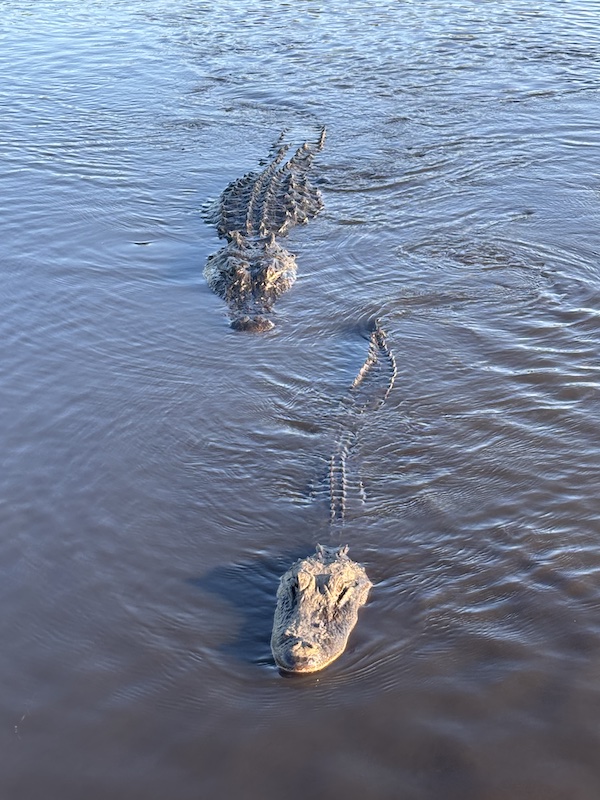
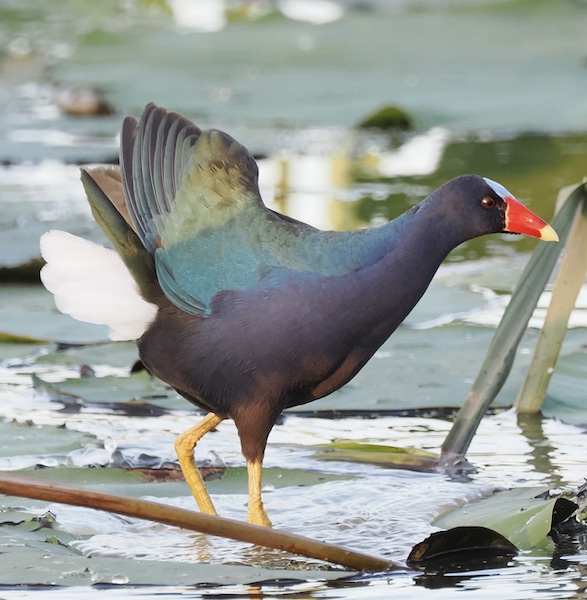
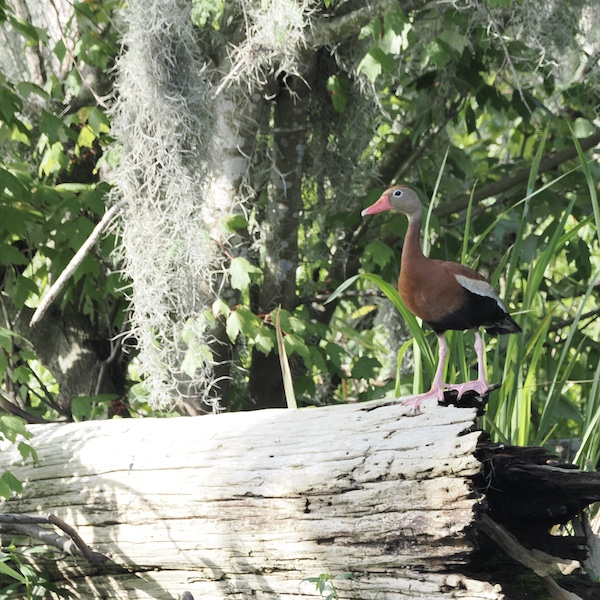
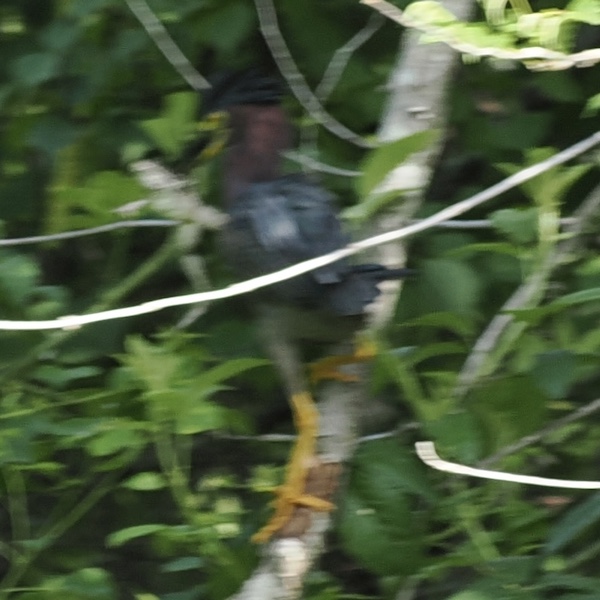
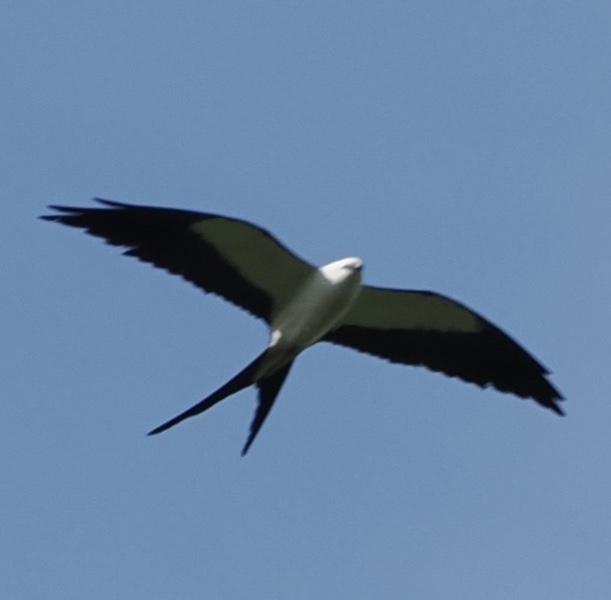
They fed the alligators with marshmallows and chicken. We also saw some interesting water birds.
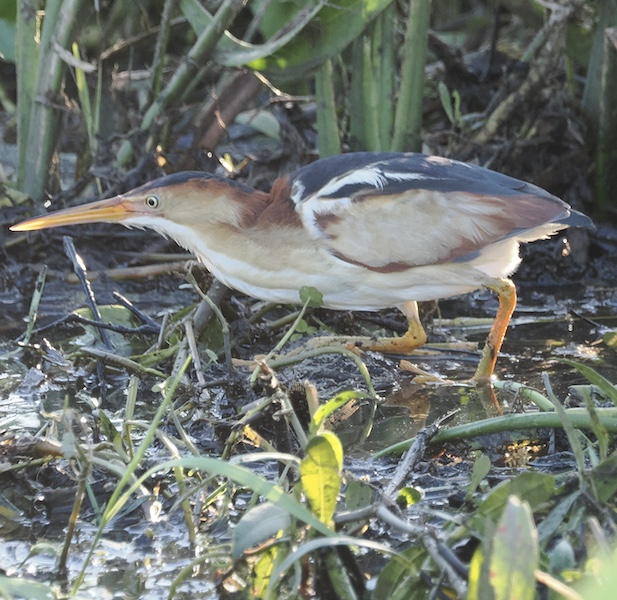
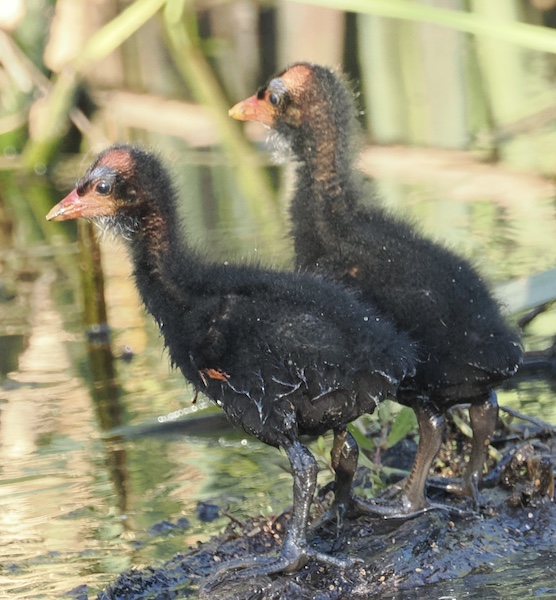
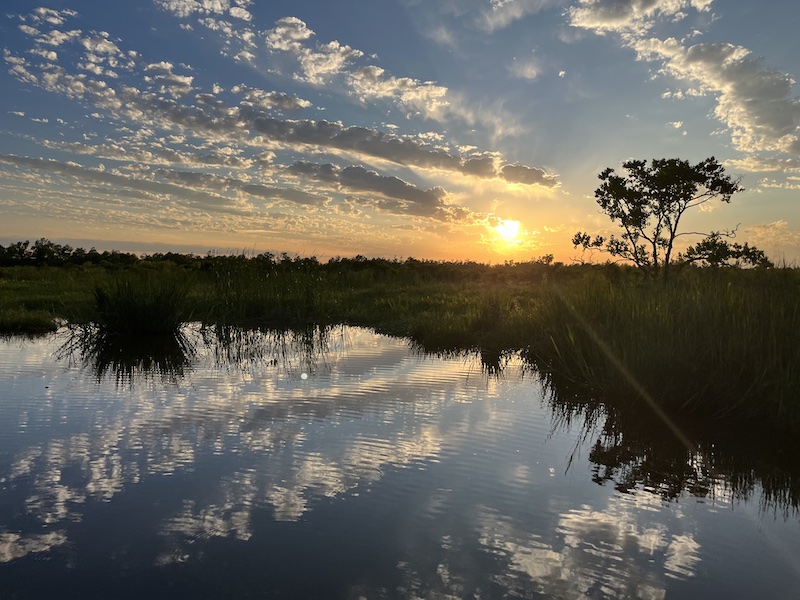
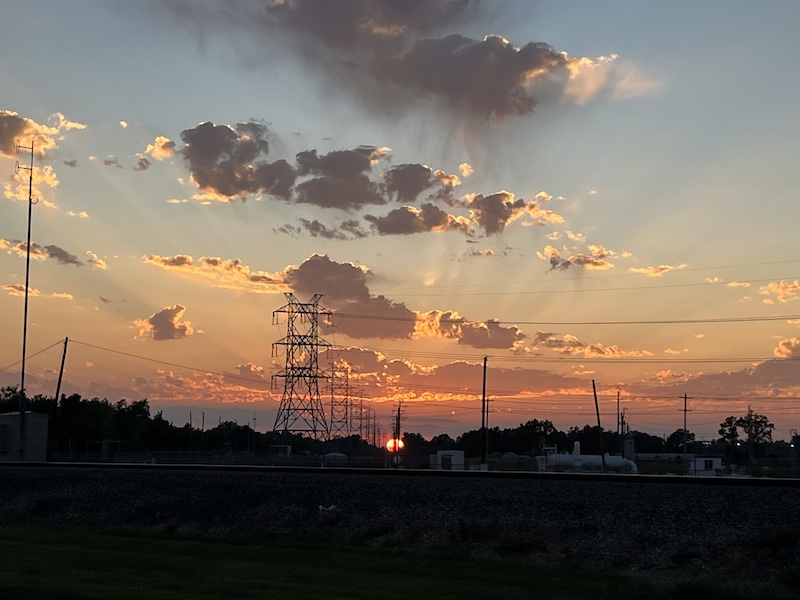
Certainly had some stunning views both during the tour as well as driving home.
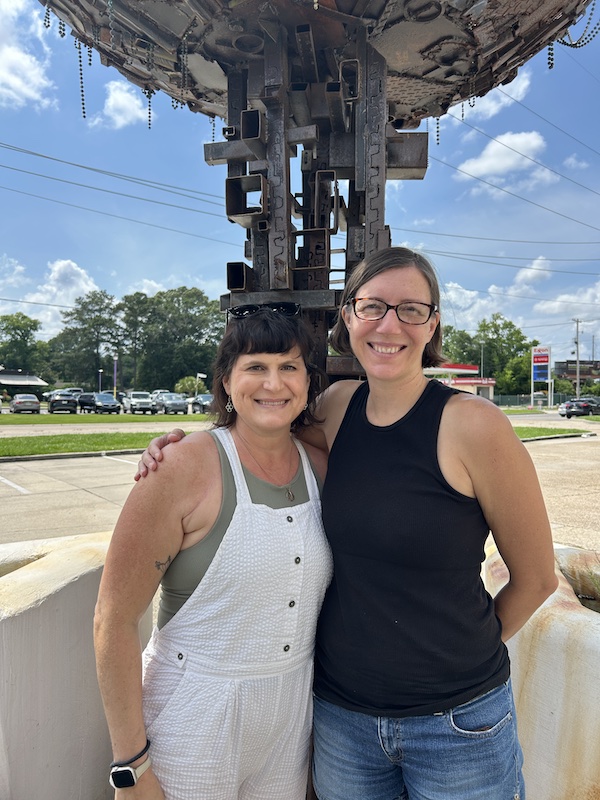
That first weekend we took a trip over to Baton Rouge to visit my friend and colleague Alexandra. I’d worked with Alexandra and her museum for years but hadn’t ever visited them. We had lunch but did not visit the museum (they’re a children’s museum focused on very young children).
Scott wanted to see the LSU campus where they have their mascot on display.
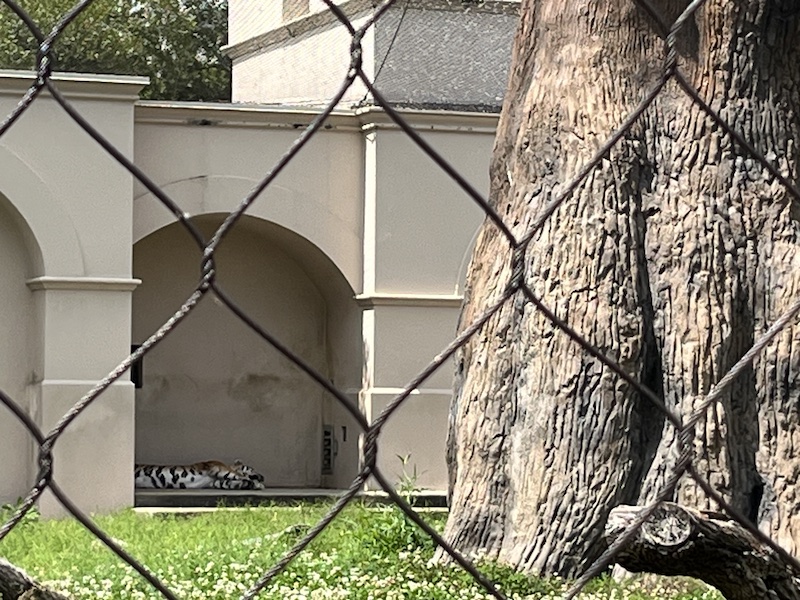
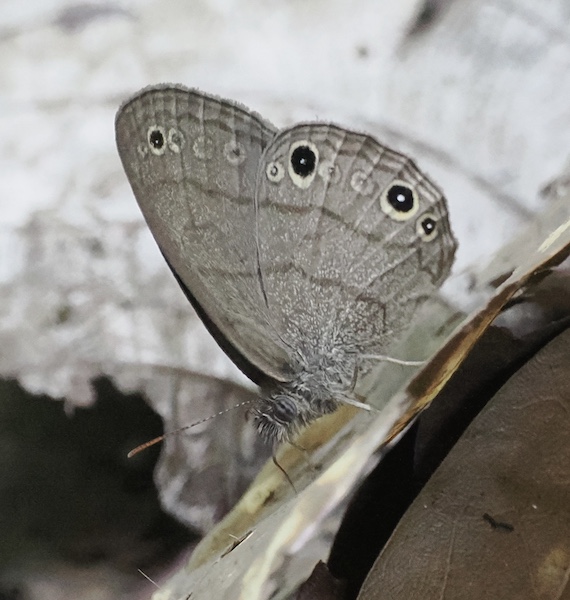
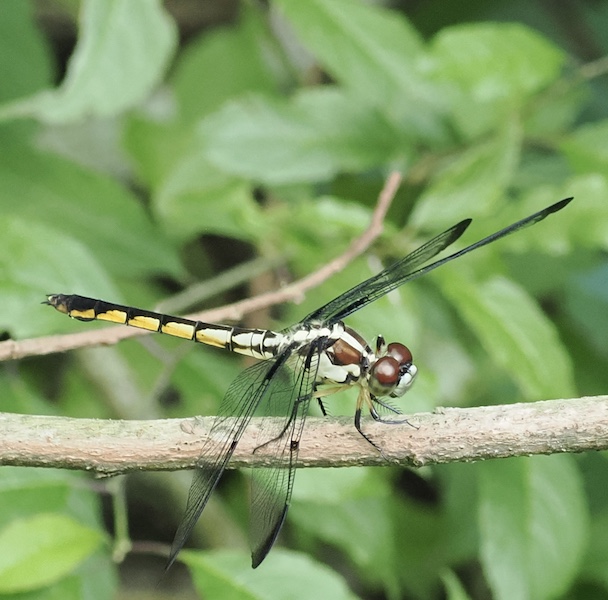
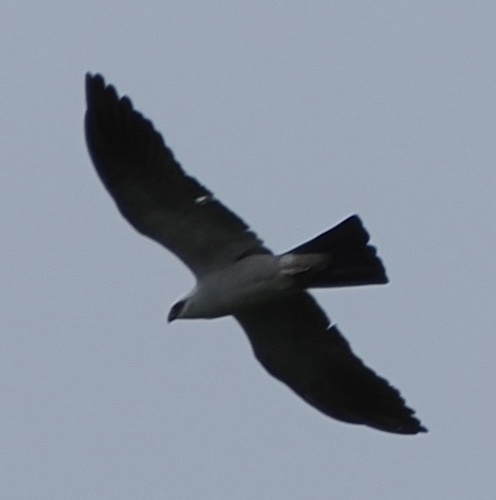
We also wanted to get in a nature hike so we trekked around the LSU AgCenter Botanic Gardens
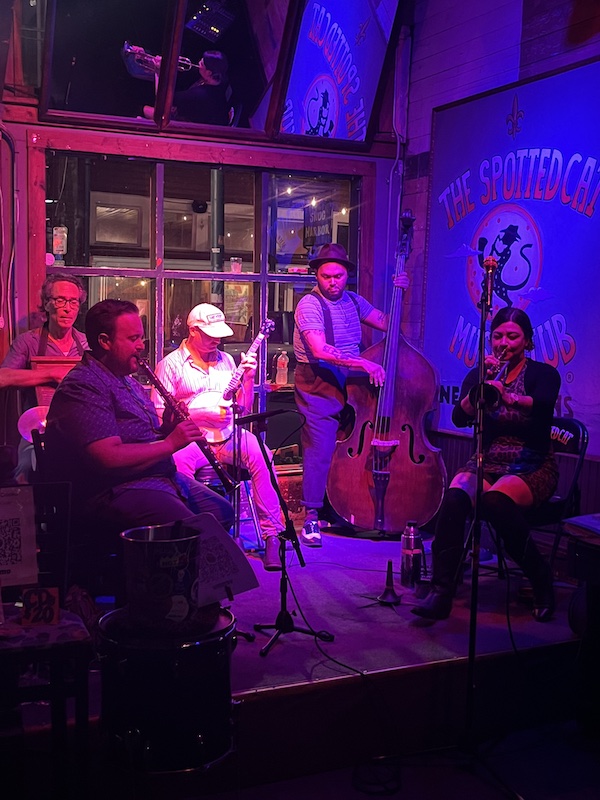
We didn’t do touristy things the middle week but then my mom and sister visited for the last week we were there and we did a bunch of touristy things together. I know New Orleans is known for music but we didn’t actually spend that much time at music venues. We were staying in what I would consider the suburbs and had to drive to the downtown area, so we weren’t really in a good location for going to music venues in the evenings. We did make sure to visit the Spotted Cat, based on a recommendation from our friends Sarah and Aaron (Thanks!) who had visited during Jazz Fest. I really liked the Spotted Cat venue and the band Jenavieve Cook and the Winding Boys.
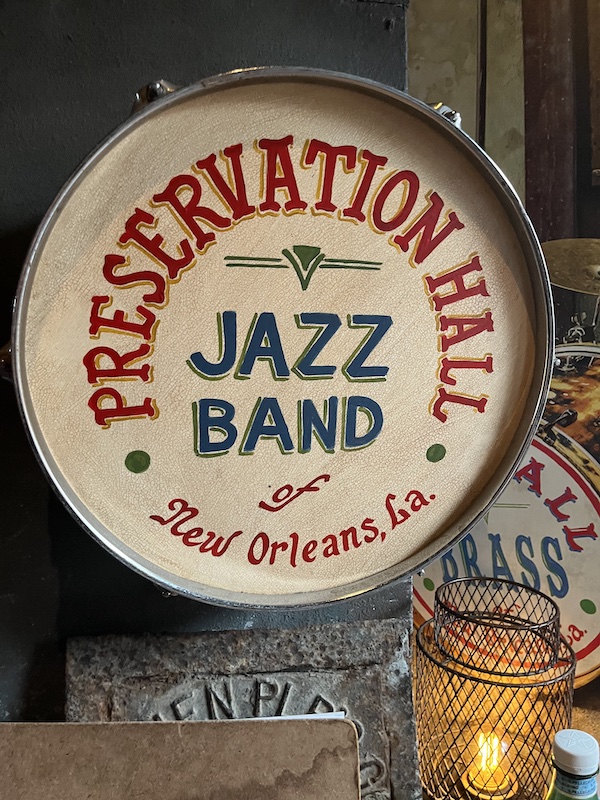
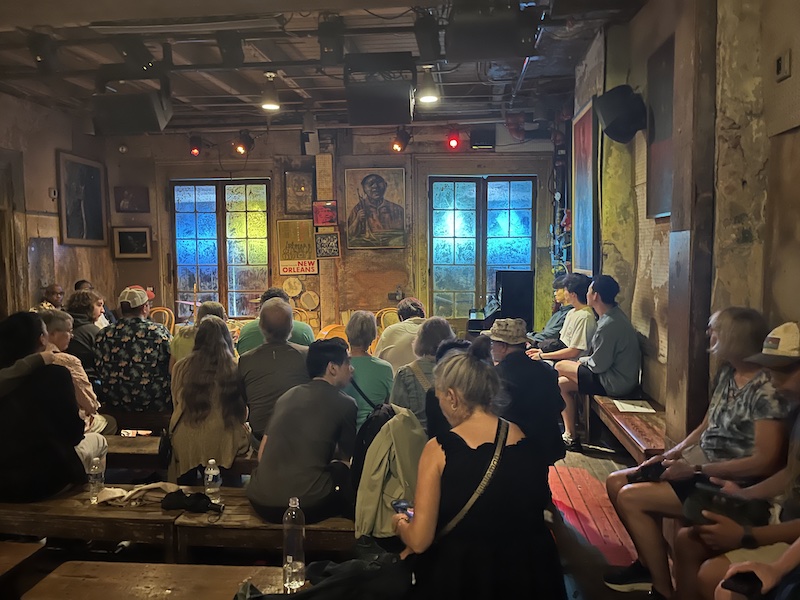
We also got tickets for Preservation Hall, a venue that began in the 1950s as a space for jazz groups. Many different groups perform there and we went to a traditional show featuring the Preservation Hall Jazz Band. It felt very rehearsed and scripted, a bit too touristy for my tastes but still an interesting experience.
Food
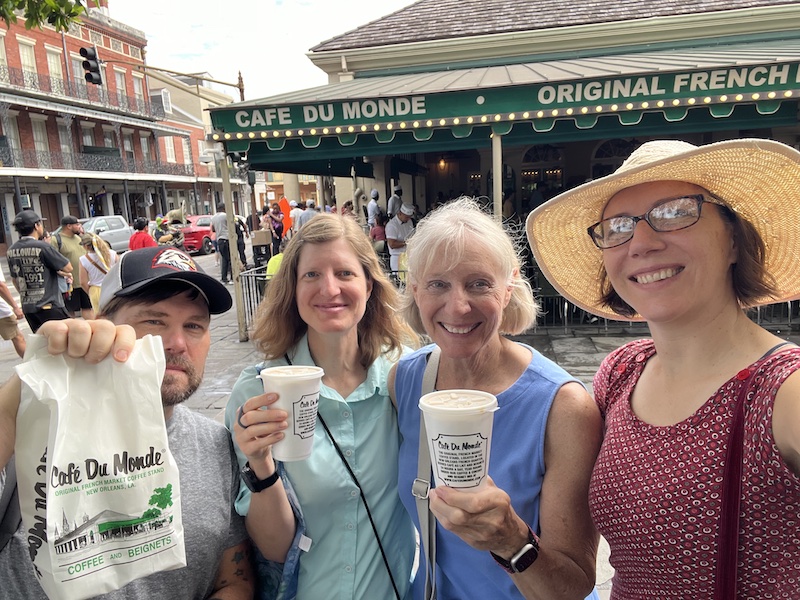
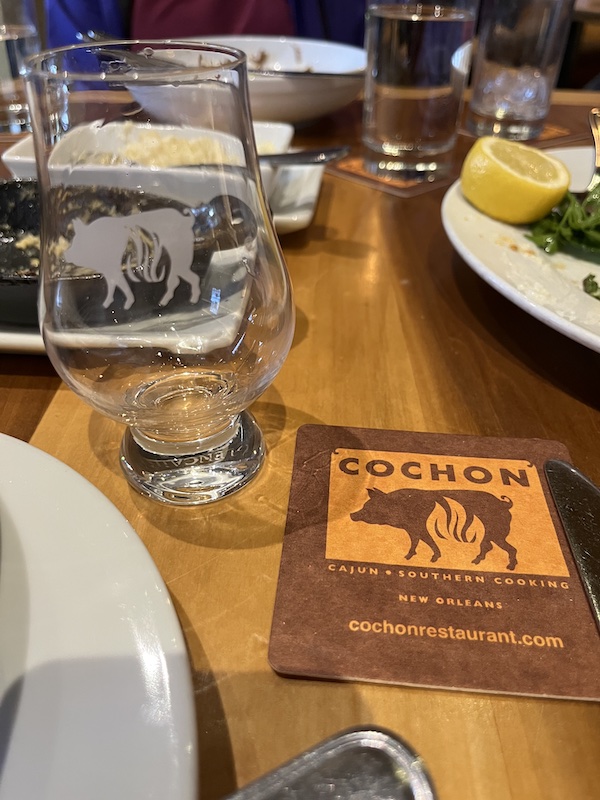
We ate at a lot of fancy and famous places. We tried beignets, grits, hush puppies, red beans and rice, fried chicken, po’ boy sandwiches, alligator, catfish, gumbo, and various fish/seafood dishes. Cafe Du Monde is famous for their beignets and hickory coffee so we went there a few times.
My sister wanted to eat at a Michelin rated restaurant so we went to Zasu (which has one Michelin star). Commander’s Palace is famous for the rise of several cajun chefs including Emril Legassi. Food photos never make the food look as tasty as it was so I’ll keep this part short!
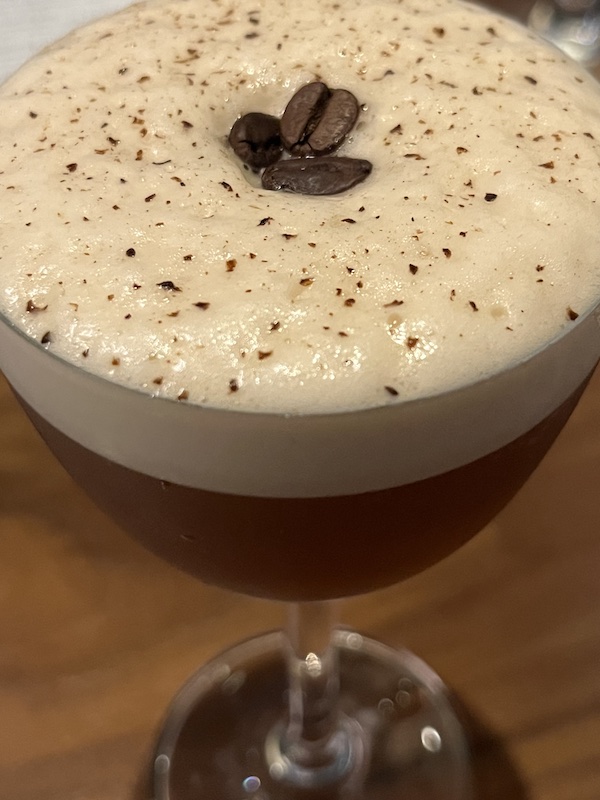
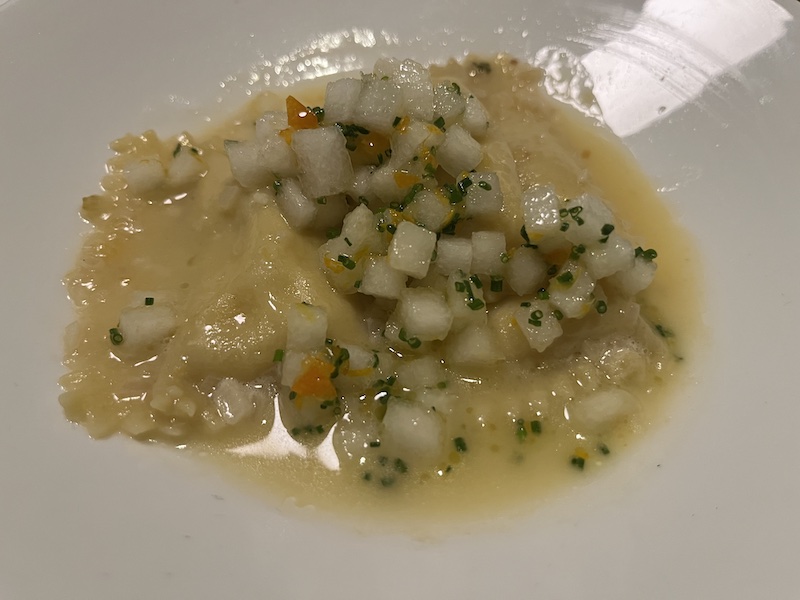
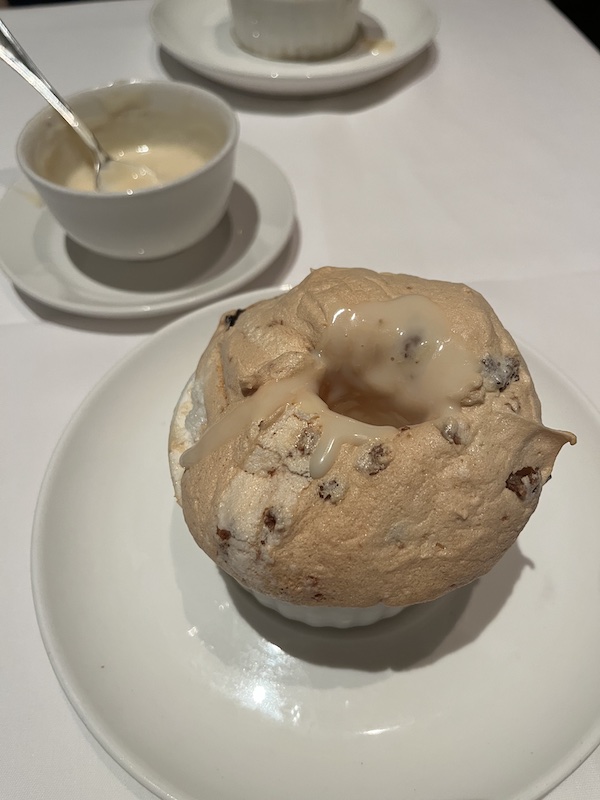
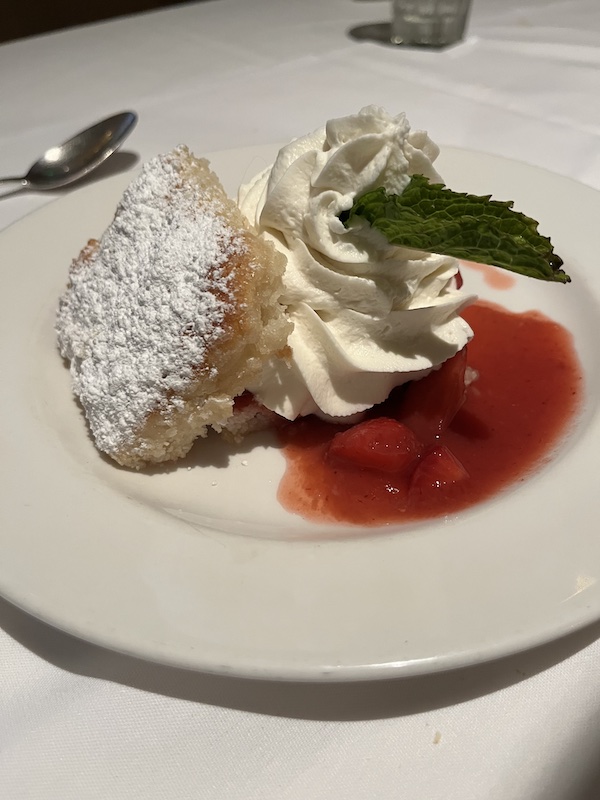
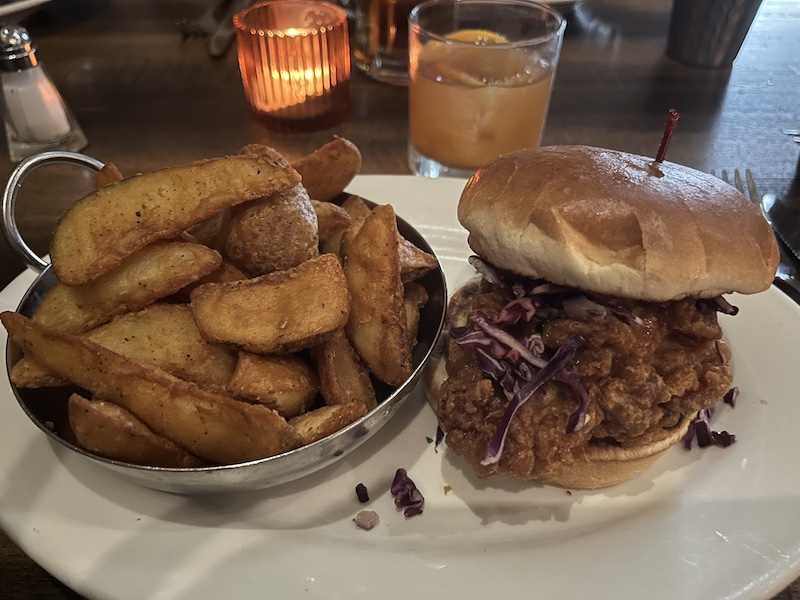
While watching Anthony Bourdain’s No Reservations about New Orleans we learned of Willie Mae’s which happens to be my maternal grandmother’s name and she was from New Orleans. Willie Mae’s was not run by relatives but their chicken was delicious!
Touristy things
There are so many historic places to visit in this area it was difficult to narrow down to a few essential places. We took three walking tours. The first was just walking Bourbon Street. I did not take any photos but I found it loud and overwhelming even in the day time. There was music everywhere, flashing lights, dancing, and as many varieties of frozen drinks as you could imagine. It has a reputation and has fully embraced that reputation. Our other two walking tours were of neighborhoods. One was by NOLA guy and was their French Quarter walking tour. It started downtown and the tour guide gave us lots of history as we walked.
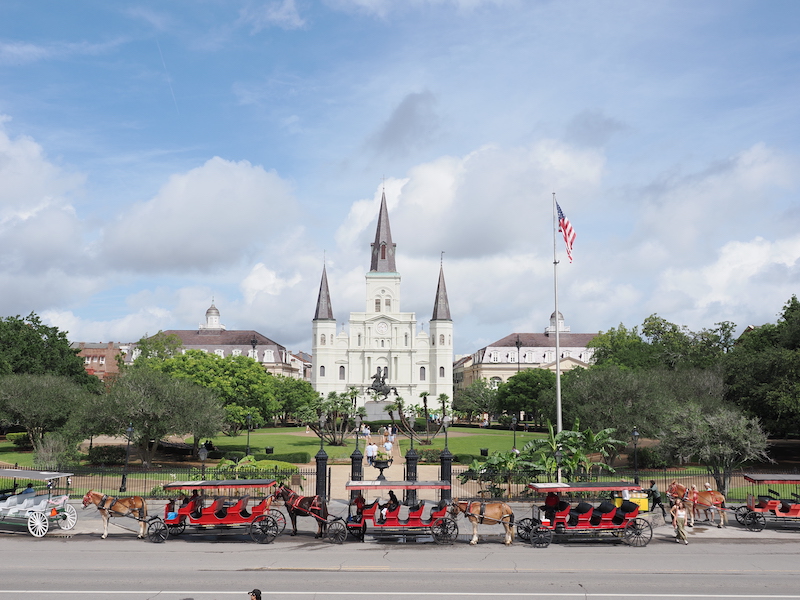
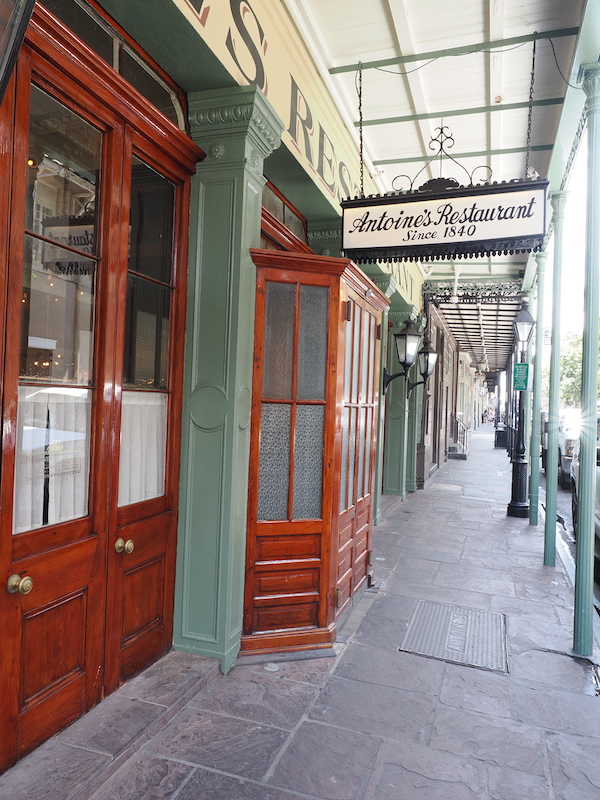
The other was an audio walking tour of the Garden District. The thing that struck me the most about both was the architecture and history. The wrought iron work was incredible.
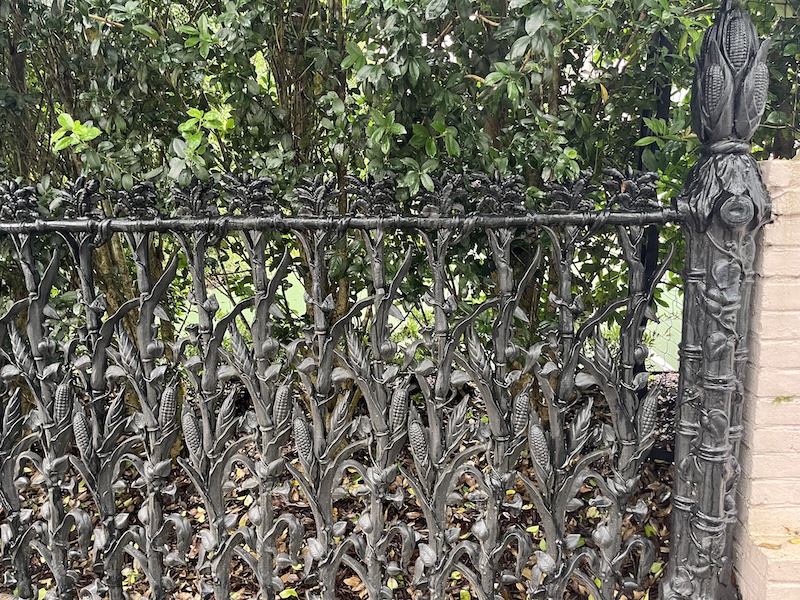
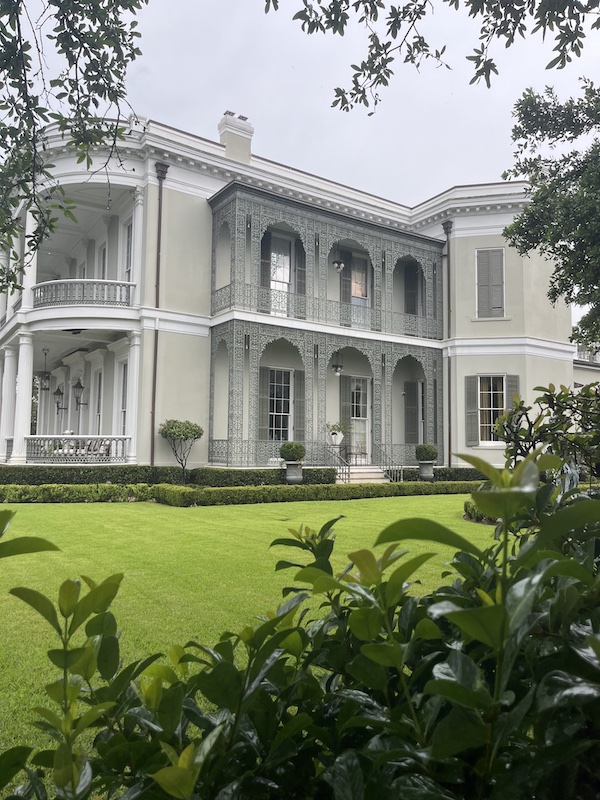
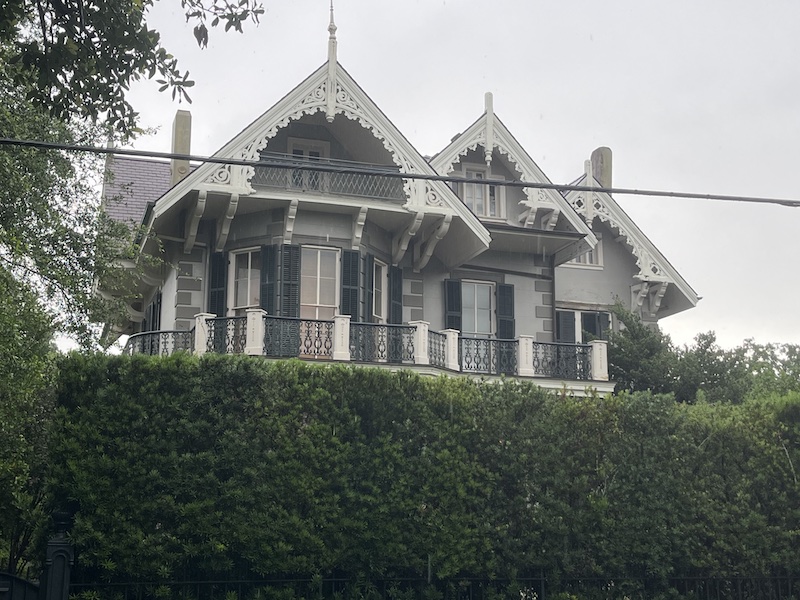
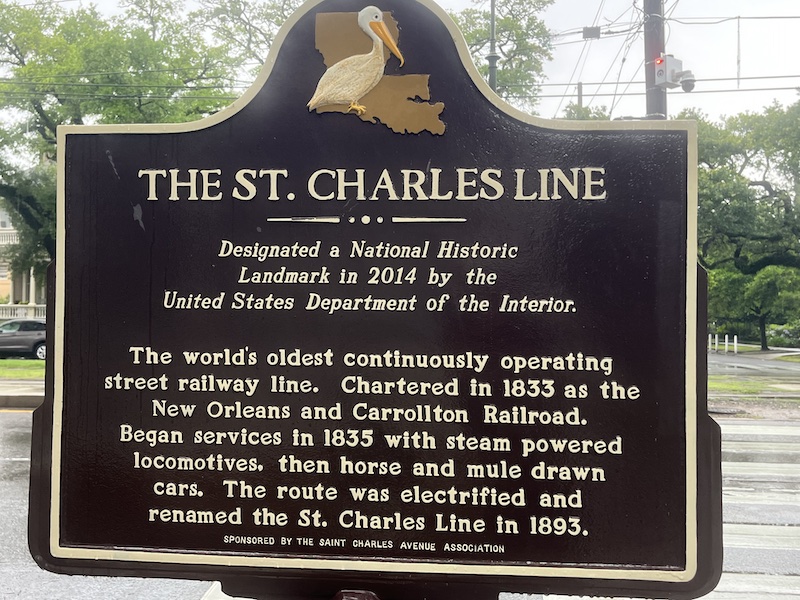
Unfortunately for us it was very rainy when we went on the Garden District walking tour and we were pretty soaked by the end of it. To get around to all the places we mostly took the railway line.
We planned to take a day and do a small swamp tour then go to a plantation. Unfortunately the rain made it unsafe to do this the same day but we still did both things. The Whitney Plantation is one of the few that offers a historic look into the lives of the enslaved people rather than the plantation owners. Our tour was led by a woman who ran their education department and was full of information and stories. The tour was supposed to be 90 minutes but ours lasted around two hours. This plantation mostly had fields of sugarcane which were harvested then boiled down to sugar using these huge copper pots of different sizes. People now use them as water features. The buildings were usually made of cypress, which are resistant to both rot and insects but are unfortunately quite flammable.
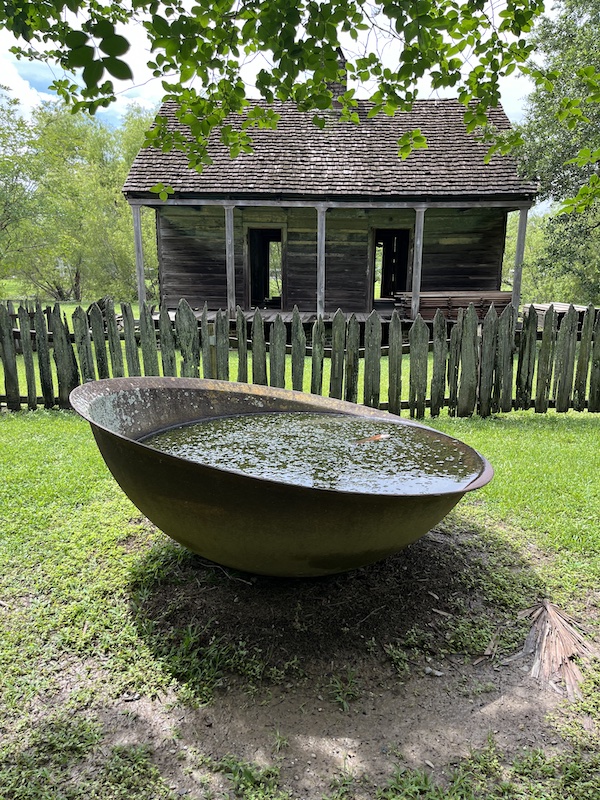
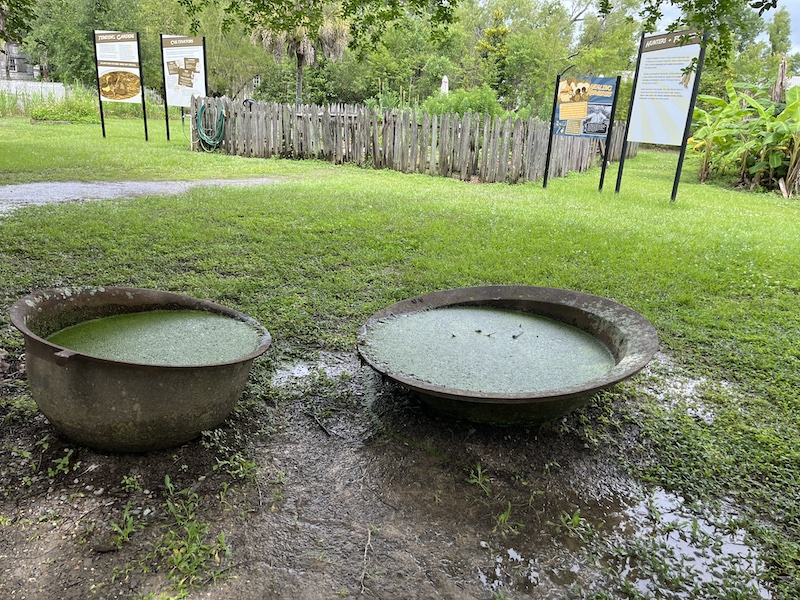
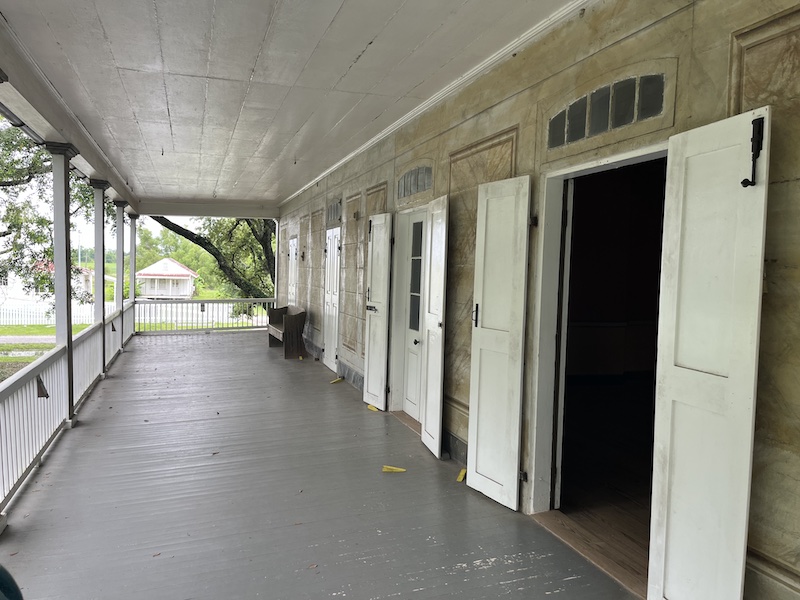
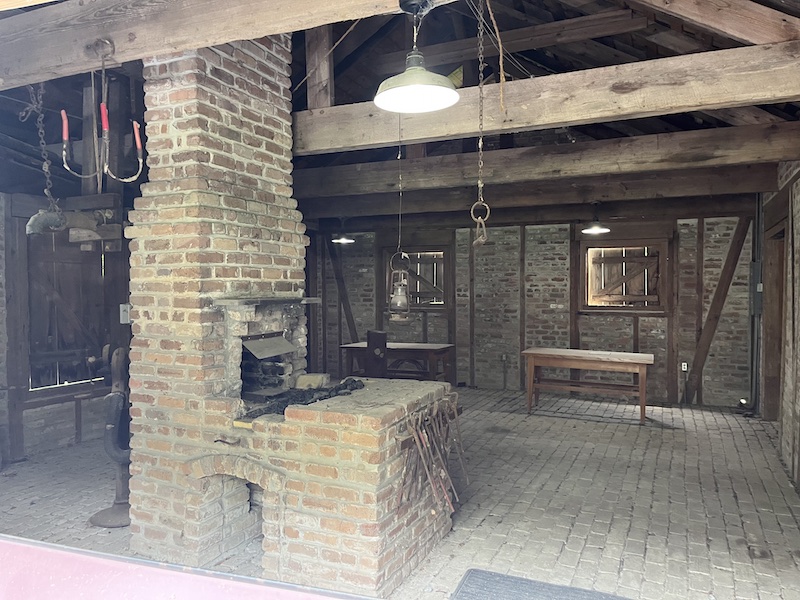
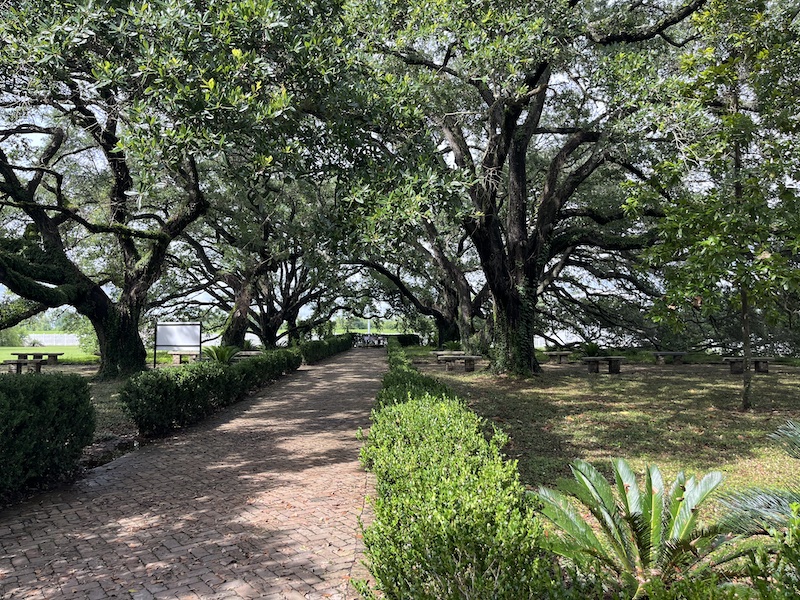
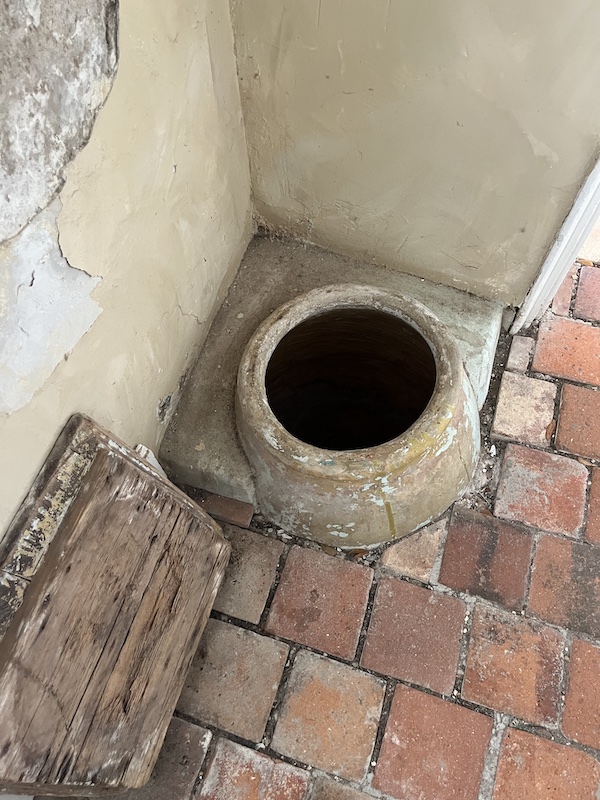
The main / owner’s house was two stories with the top floor being entertaining and bedroom spaces. It was a long and narrow building with doors all over to allow for cross-breezes to cool the interior. The facade was painted to look like marble and the entry drive was not tree-lined when this place was operational because it was more striking to see this large house from the main roadway than to be hidden behind all the trees. The plantation included a blacksmith as well as a huge garden for feeding the plantation owners and all the slaves. I thought the whole tour was really well done, a difficult topic to discuss and confront but it was done in a really thoughtful way to highlight the stories of the people whose lives were forcibly tied to this lifestyle. Definitely not a Gone With The Wind representation of plantation life. One last photo then we’ll move on. Refrigeration!
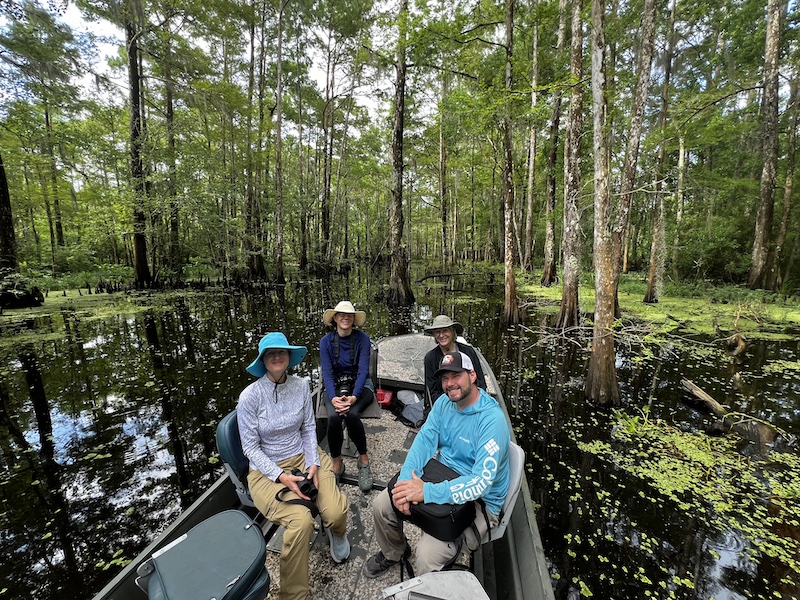
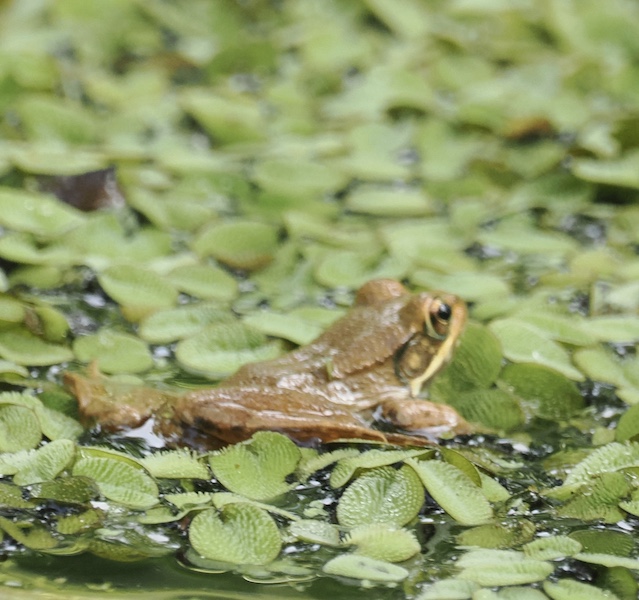
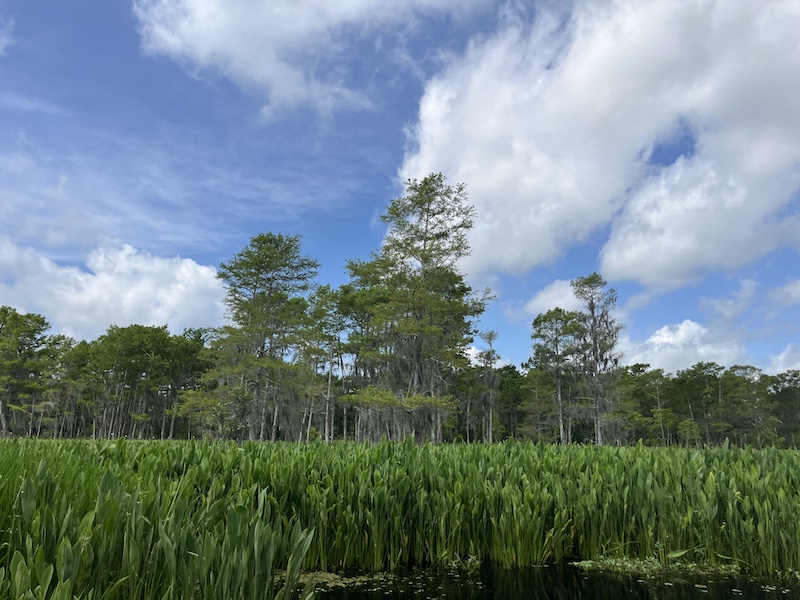
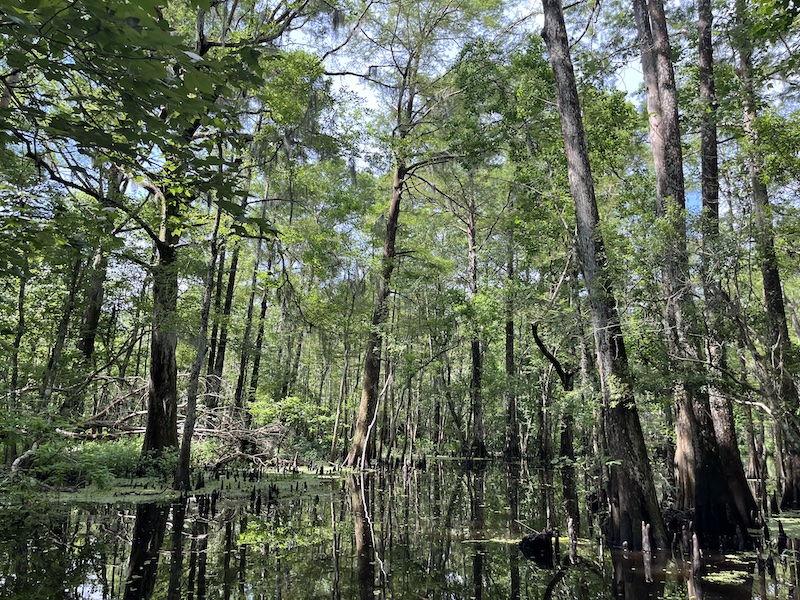
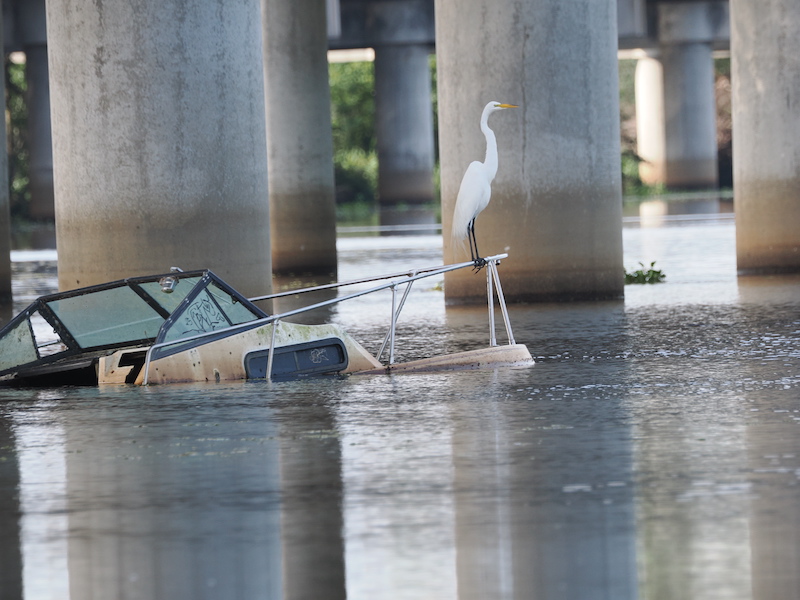
The second swamp tour was through a company called Wild LA. This tour was on a mudboat, another flat bottomed boat but this one was driven by a little submersable motor and had individual swivel seats. We booked a private, two-hour (9-11am), four person tour. Our guide was very amiable and was willing to take us out early (we arrived maybe 15 minutes early) and brought us back late. It was incredibly peaceful and beautiful.
Another day we went to the Greenwood Cemetery where some of my mom’s ancestors are buried. We found and did our best to clean their nameplate. Kurz is my grandmother’s maiden name. These are her father’s parents and relatives. My great-great-grandparents were born in the 1870s, one in New Orleans the other in Galveston, Texas. Our first relative was interred in this plot in 1938.
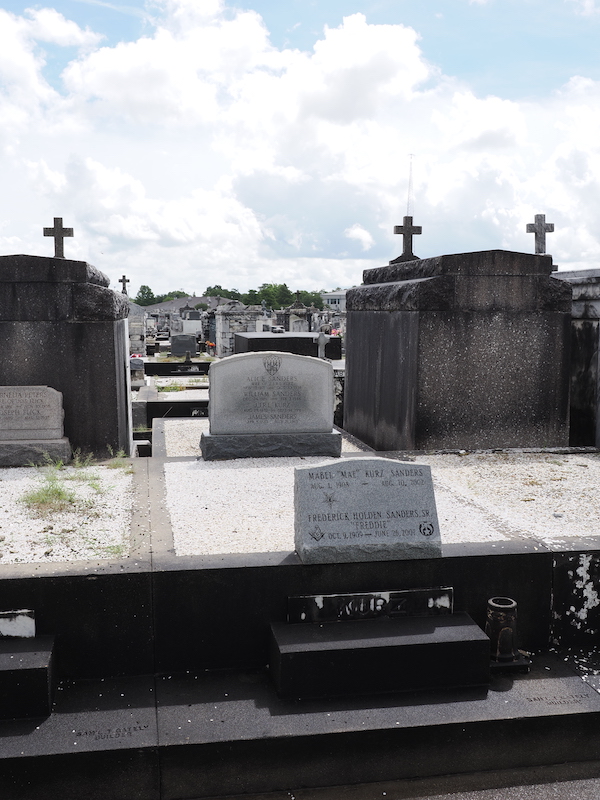
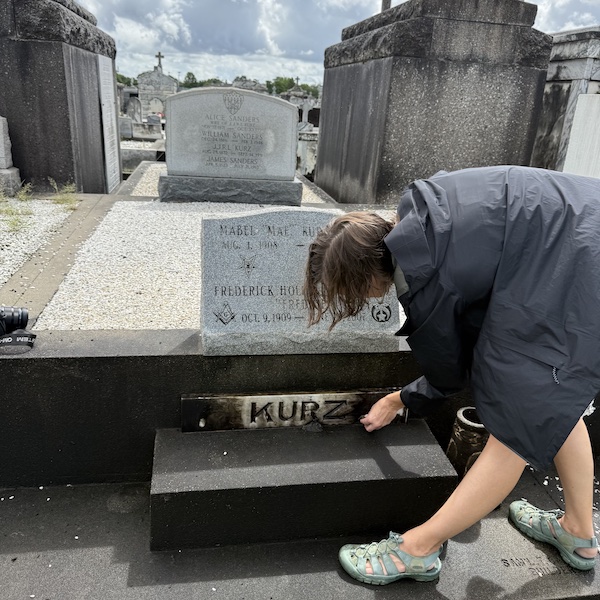
The way these plots work, they can intern one body at a time, but contain multiple over many years. They put the body in and brick it up. It’s sealed for a year. When they open it again to put another body in, they first collect the remains of the prior body which has been reduced to “a bag of bones” and put them in a lower section before putting in the more recently deceased relative.
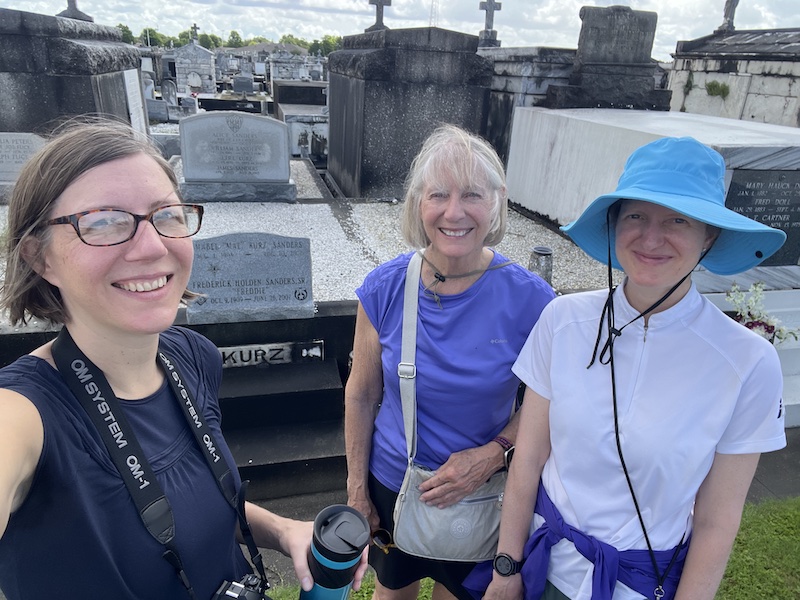
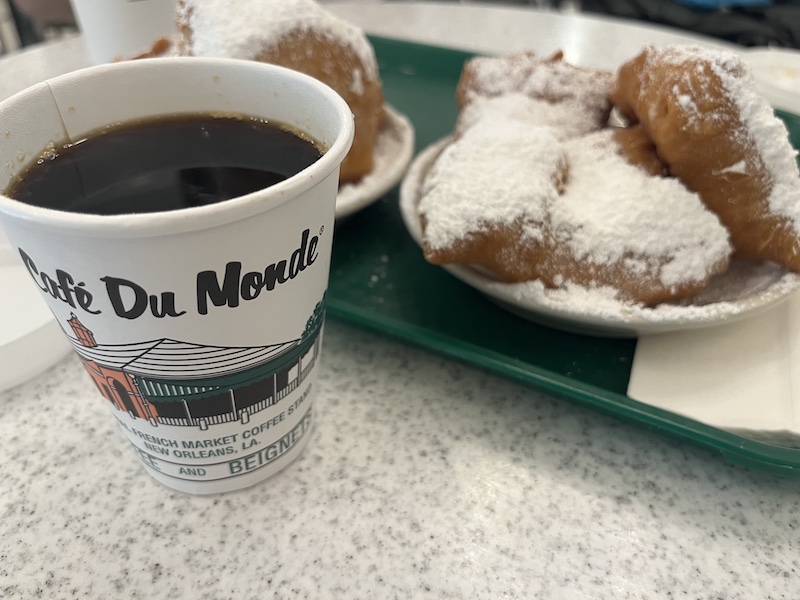
This plot held six people, thus all the various names. Our relatives did not have a fancy plot (you can see the bigger ones in the distance behind us) but it was pretty cool to visit! After the cemetery we went down the street to City Park. There was another Cafe Du Monde so we got more beignets and coffee. The beignets at this location weren’t quite as fresh as the ones from downtown but we still ate them all (minus half the powdered sugar).
City Park is a huge park that is also connected to a stadium, carousal amusement park, sculpture garden, botanical gardens, the New Orleans Museum of Art, Louisiana Children’s Museum, and a golf course. We went through the sculpture gardens then my mom and I went to the singing tree and sat in the park while my sister went to the botanical gardens (Scott was at home working).
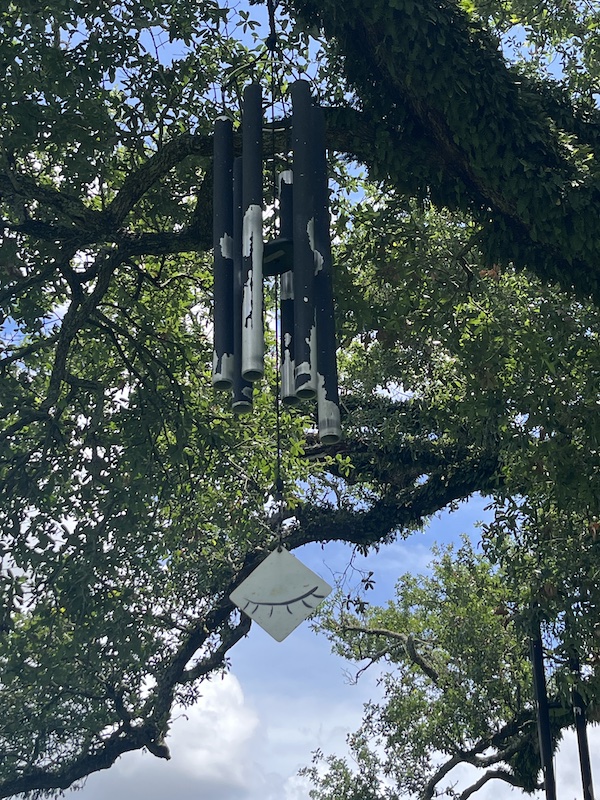
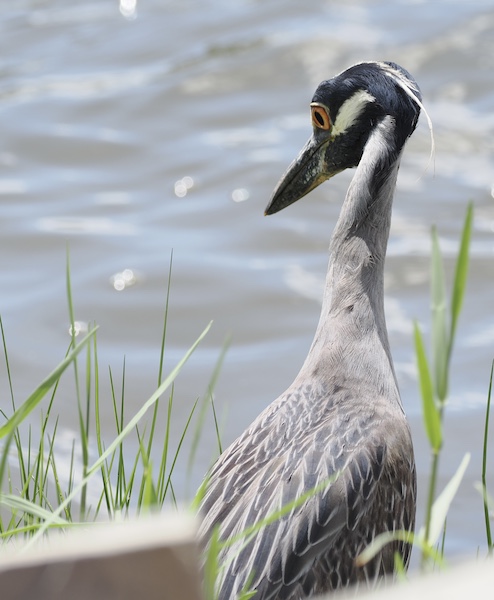
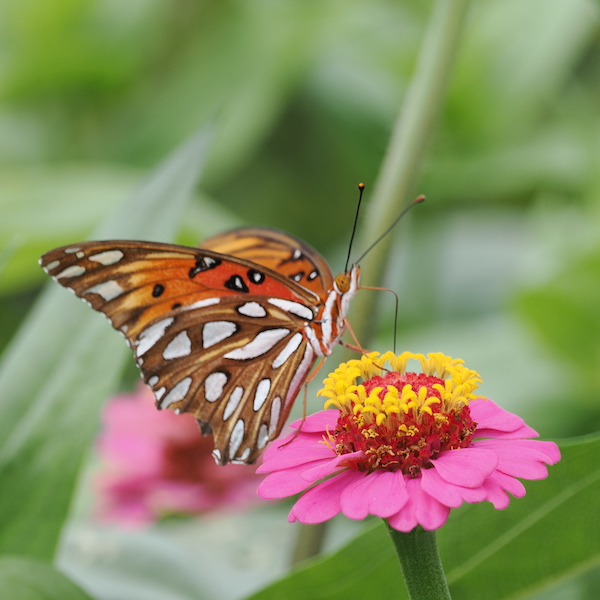
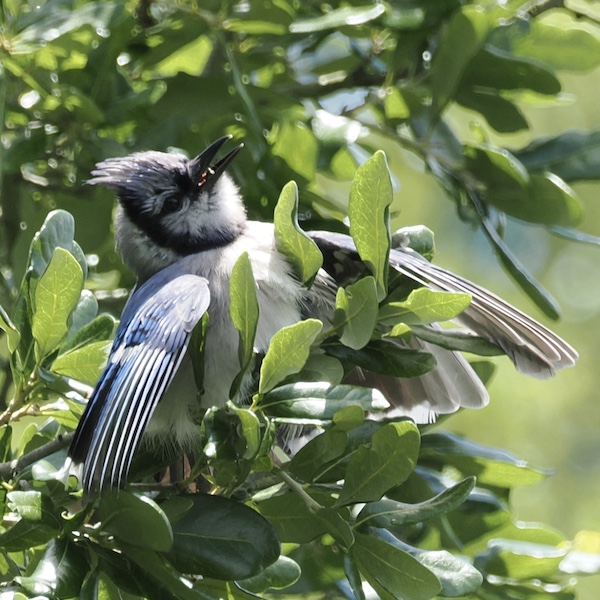
The singing tree is a 125 year old oak tree hung with seven sets of wind-chimes tuned in the pentatonic scale that harmoniously blend together. While sitting at the lake we saw lots of birds and butterflies. This Yellow-crowned Night Heron was stalking around the lake hunting for food. The Blue Jay apparently was doing this to cool off; since birds don’t sweat, they do things like this.
The last place we visited was the National World War II museum. The company that made the mudboats we took on the swamp tour also made all the boats used during WWII for the beach invasions. This museum started as an homage to those boats but turned into a large museum covering both the Pacific theater and the European theater. One interactive tool they use to tell the stories of the people involved is to have you choose a person to follow as you move through the exhibits. I chose a woman who was part of the American Red Cross. My mom chose a medic and my sister a paratrooper. Unfortunately my person wasn’t in Europe (she was in the Pacific) so I didn’t get to follow a story through the European theater floor. Both the medic and the paratrooper were though, so we listened to their stories as we went through. There were 4-5 stations throughout the exhibit where you could listen to an update on your person. Before entering the Pacific theater my mom and sister chose new people to follow, people who were in the Pacific. I’m not sure how many individual stories you can follow, but I really liked this aspect of being able to hear these individual perspectives rather than just the big campaigns themselves.
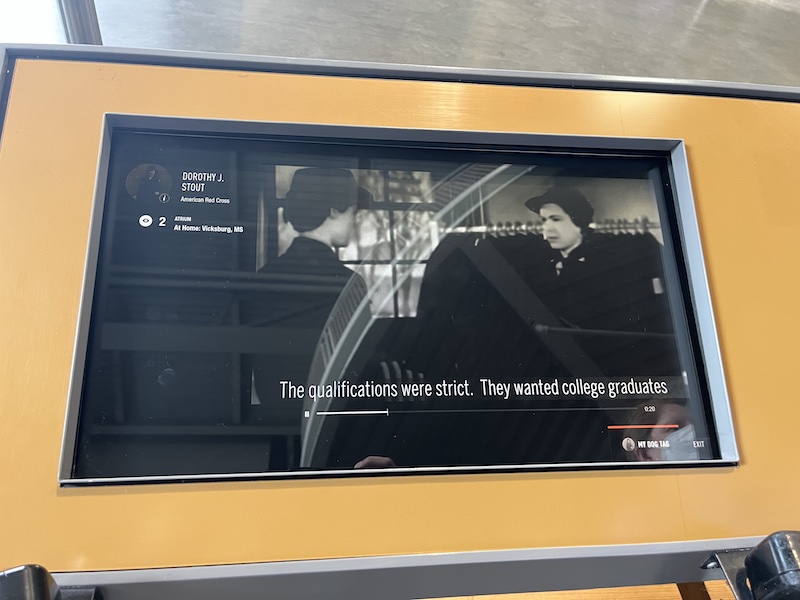
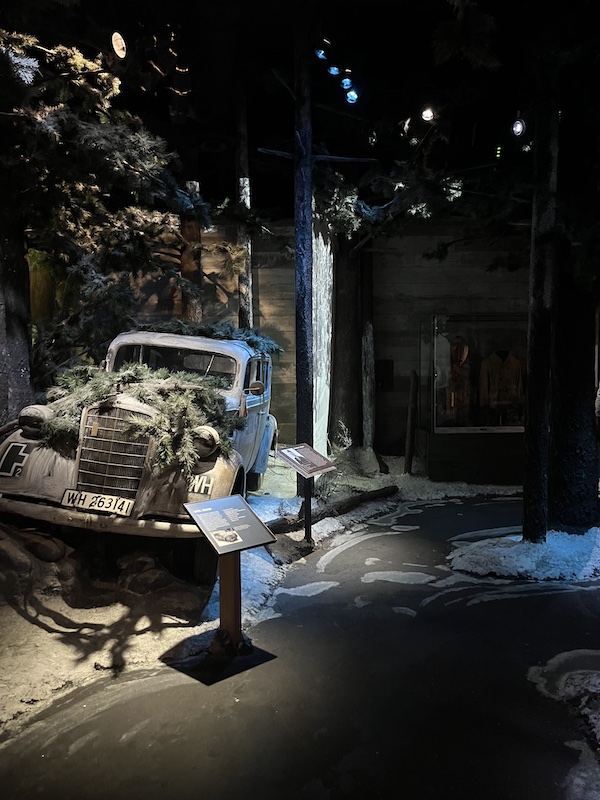
The exhibits were immersive with video, audio, text, artifacts, and sometimes a recreation of the location so it felt like you were in the German forest during winter or in the Pacific. I didn’t know that much about the Pacific theater so I learned a lot. The perspective was very American (which is to be expected since the museum is in the United States) but there wasn’t a lot of information about our allies.
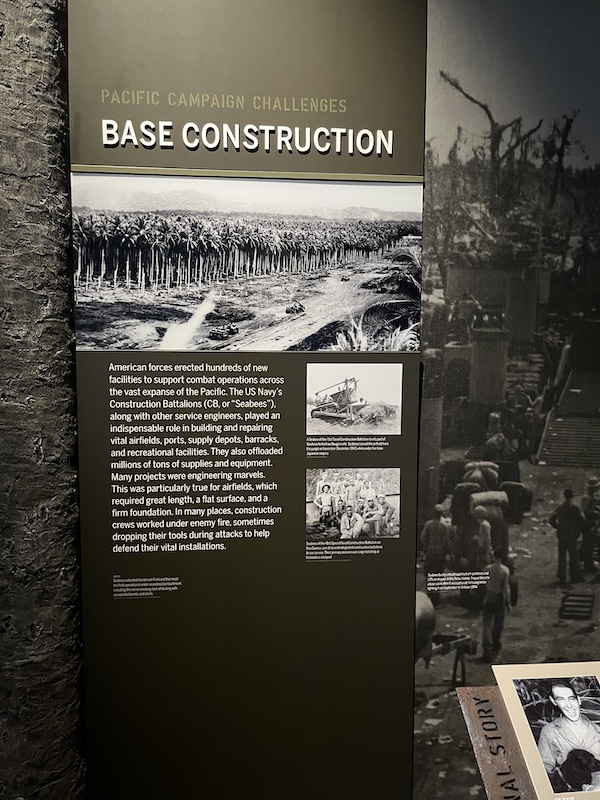
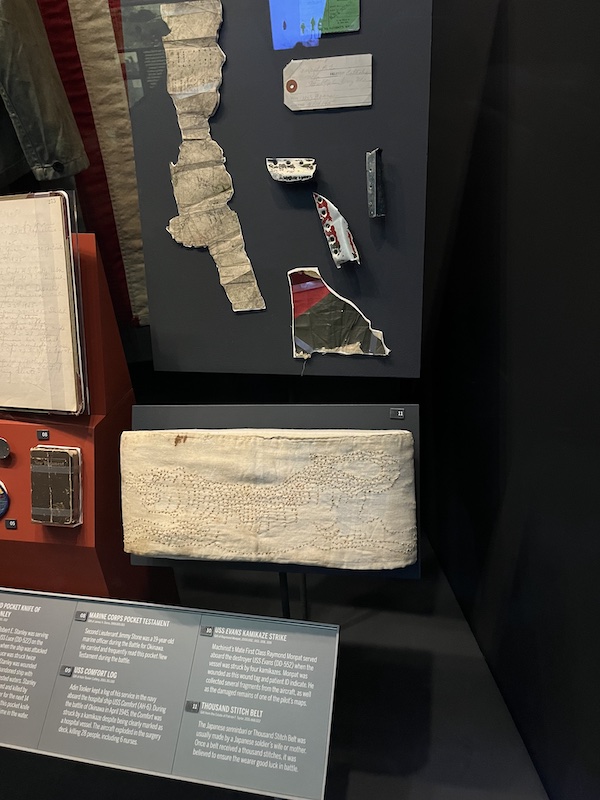
Afterwards, Scott and I decided to rewatch Band of Brothers and then The Pacific (which I hadn’t seen). Randomly I was also reading Tears of Amber, a book about two rural German/Prussian families lives during WWII.
After these three weeks, we left New Orleans and headed to Birmingham Alabama for a week, then on to The Smoky Mountains.