
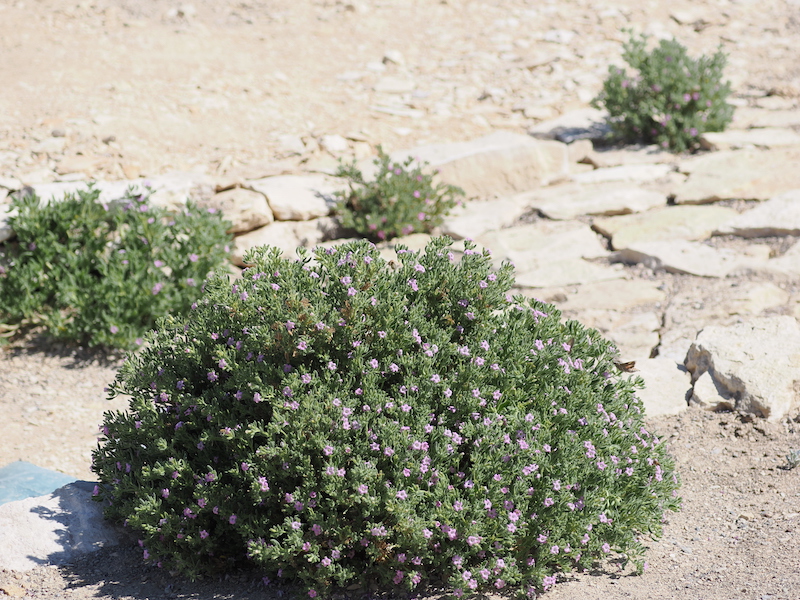
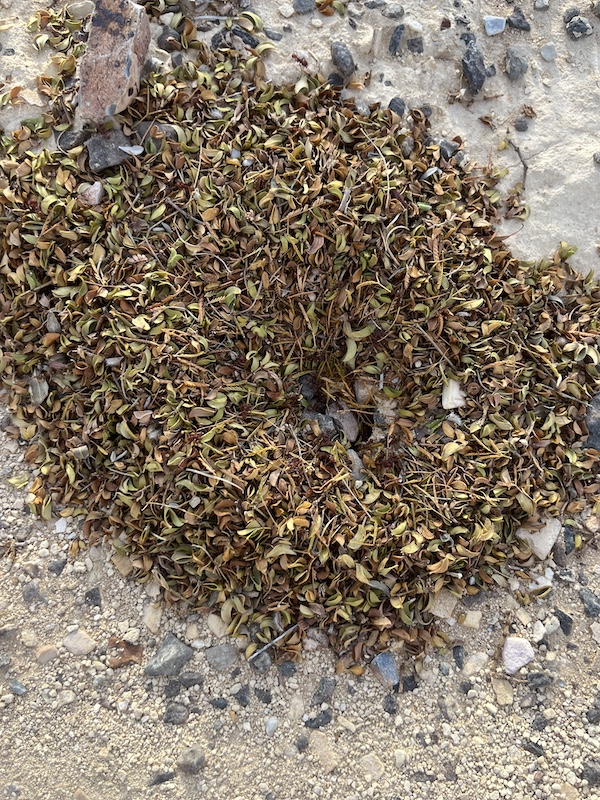
The past two winters we’ve stayed on our Texas property we haven’t really seen much wildlife. We saw a dead jackrabbit and various scat the first year. Last year Scott thinks he saw bighorn sheep. This year we had a flowering plant, which folks on iNaturalist identified as a Havard’s Fiddleleaf and seems to be endemic to the Big Bend area. This little plant brought in a ton of insects. iNaturalist has helped me to identify and track them all. I’ve decided to catalogue and share the full spectrum of animal life we’ve seen this winter.
| Class | Common Name | # Observed |
|---|---|---|
| Aves | Birds | 8 (2 unverified) |
| Mammalia | Mammals | 4 (2 unverified) |
| Arachnida | Spiders, Scorpions | 4 |
| Reptilia | Snakes, Lizards, Gecko | 3 |
| Amphibia | Frogs, Toads | 1 |
| Insecta | Insects | 62+ |
Collectively in winter 2025-2026 we have observed 84 species. We probably would have seen the birds, mammals, arachnids, reptiles, and amphibians without the flowering fiddleleaf, but the 62 insects were certainly thanks to that plant. And those insects brought in the birds. Hopefully as we get more flowering plants and grasses we will see even more species in the following years.
I’m using a taxonomic scheme (the hierarchy of biological classification that reflects evolutionary relationships) to organize (Class > Order > Family > Genus > Species) because that makes it easier to keep like with like. I’ve listed most by Class, the Insects by Order, and the Butterflies by Family.
Class Aves (Birds)
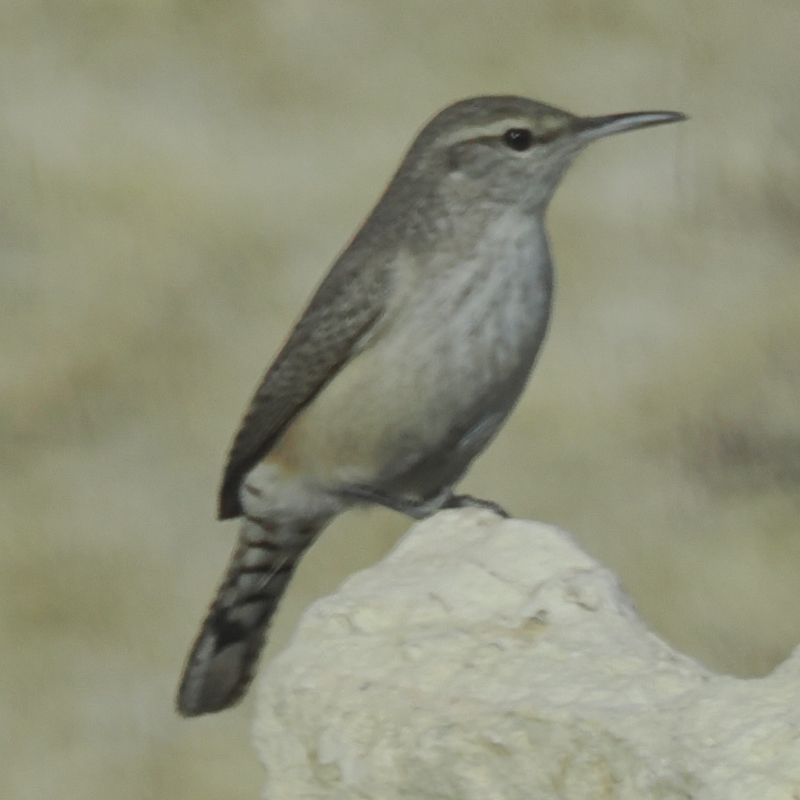
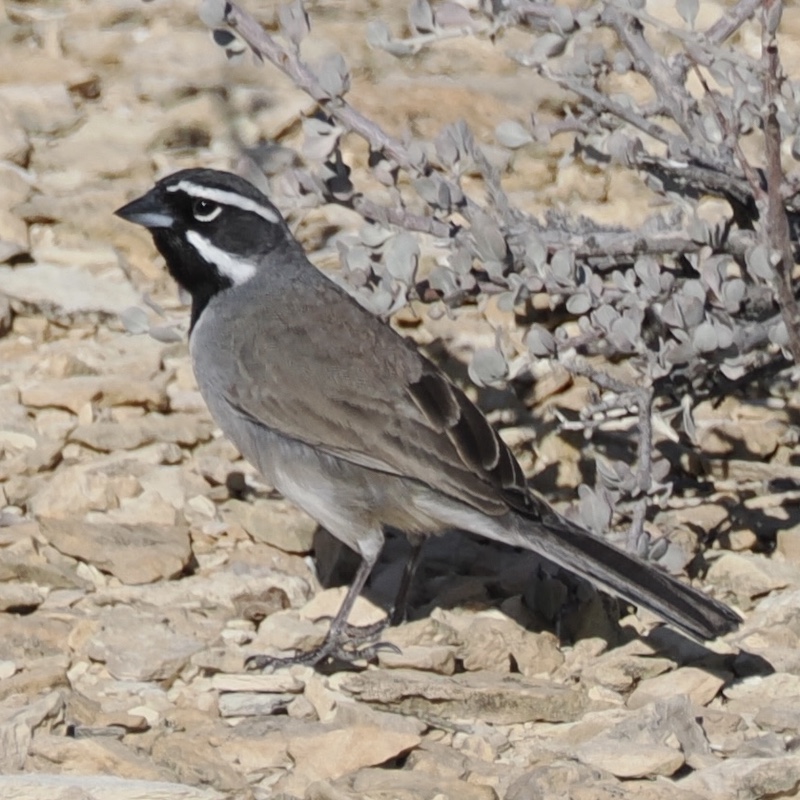
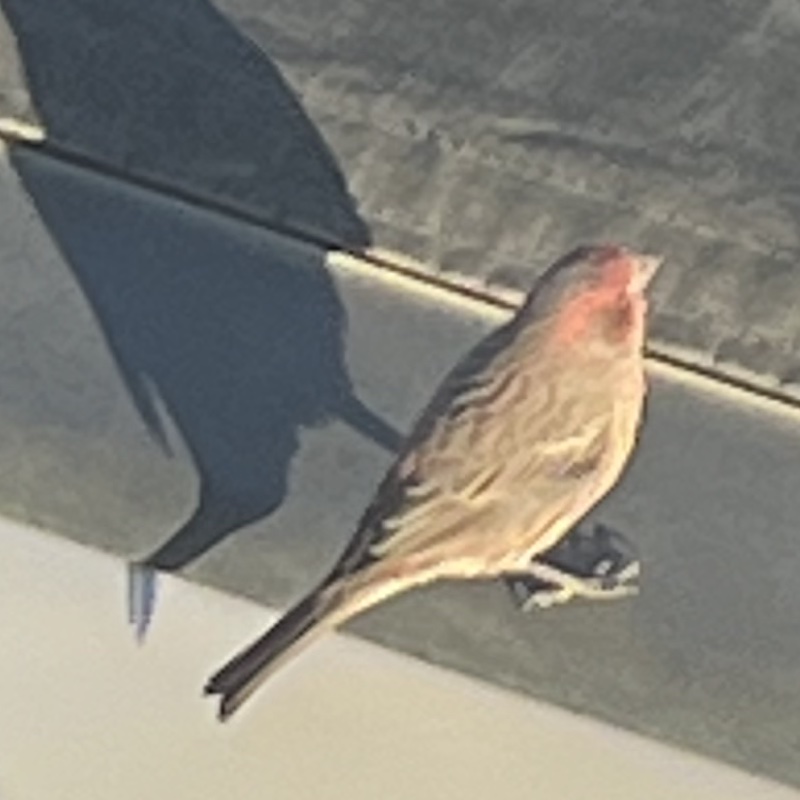
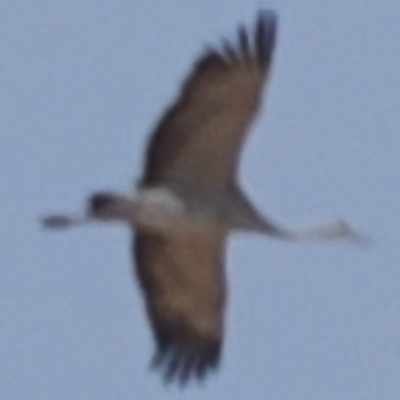
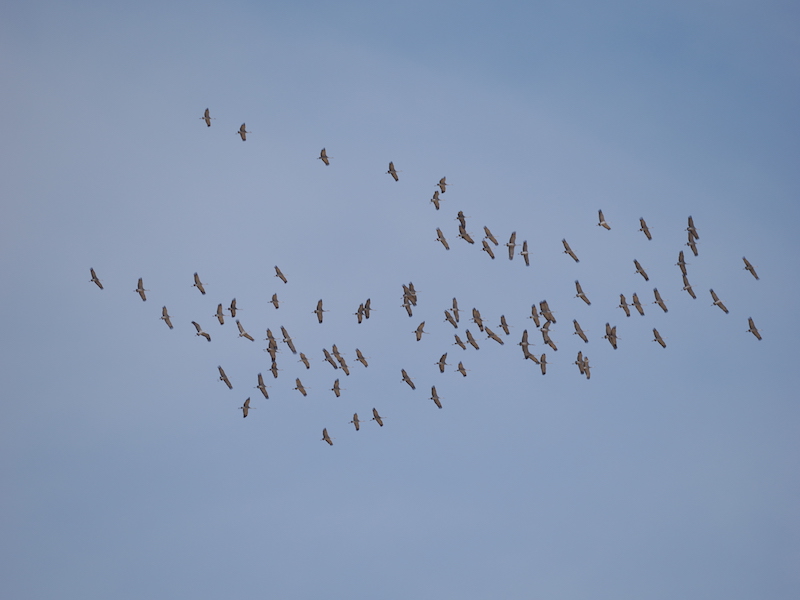
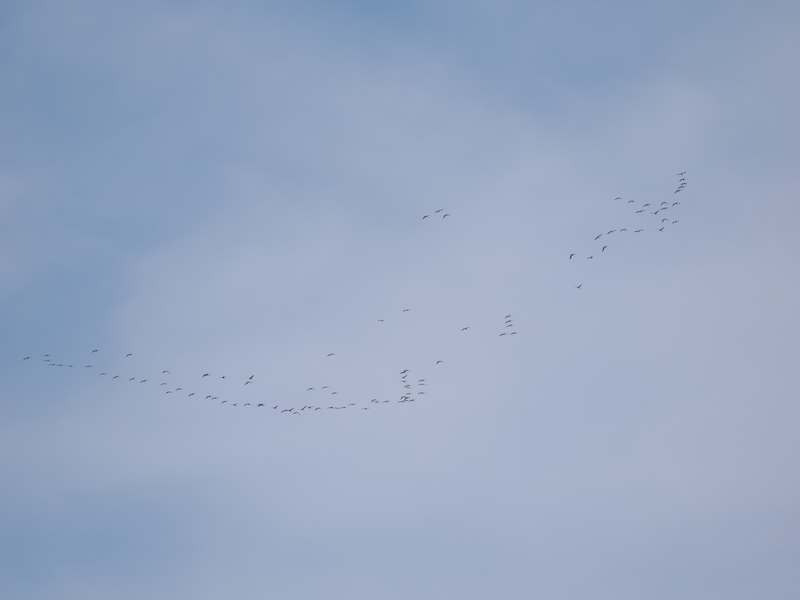
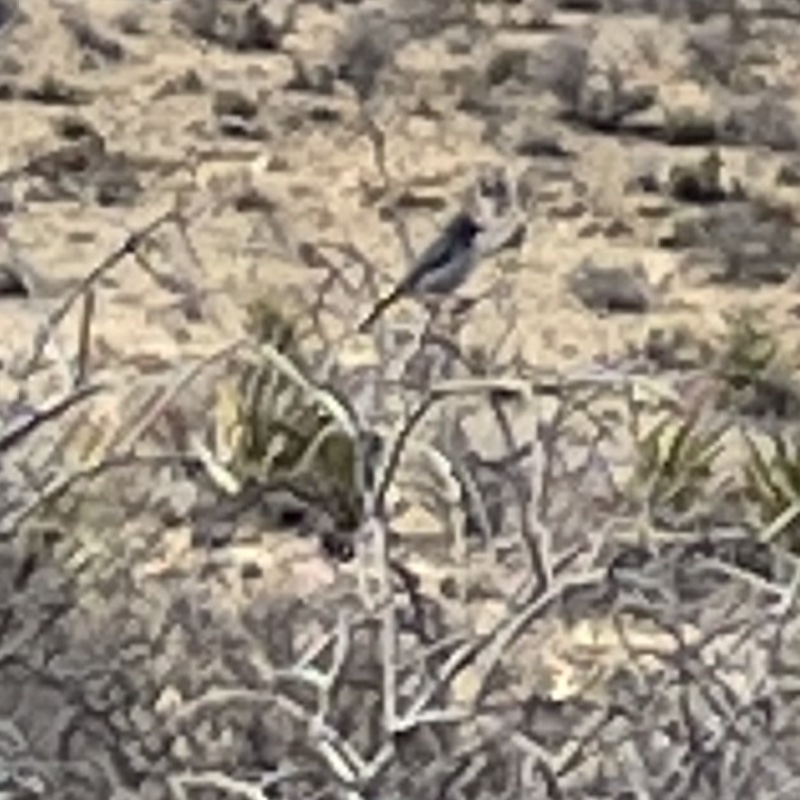
Total Bird species: 8 (2 unverified are a pair of Raven and some kind of hunting bird, maybe a Red-shouldered Hawk?). The Sandhill Cranes were just passing through but I think the rest live in the area. I’ve only seen the Finch and Gnatcatcher once though, so maybe they were also migrating. The Quail and Rock Wren live here in the winter (maybe year round) and the Black-throated Sparrow arrived in February and we’ve seen at least three of them.



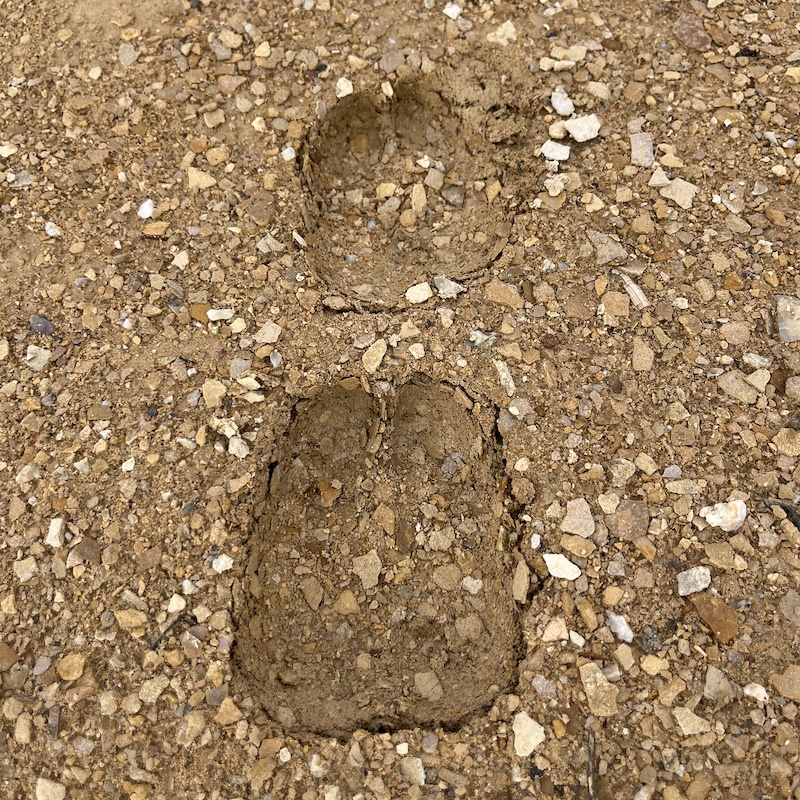
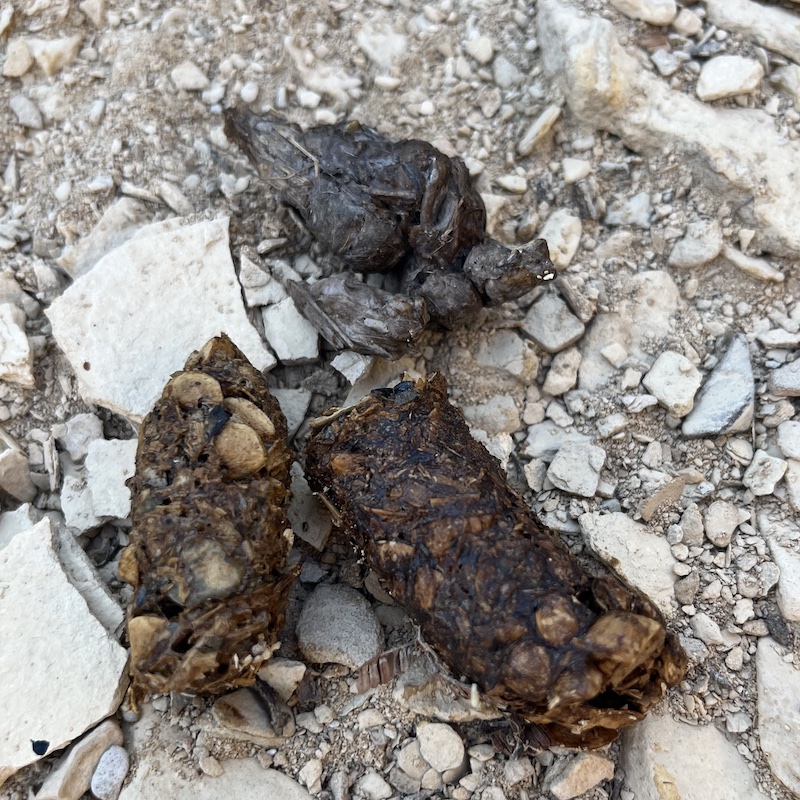
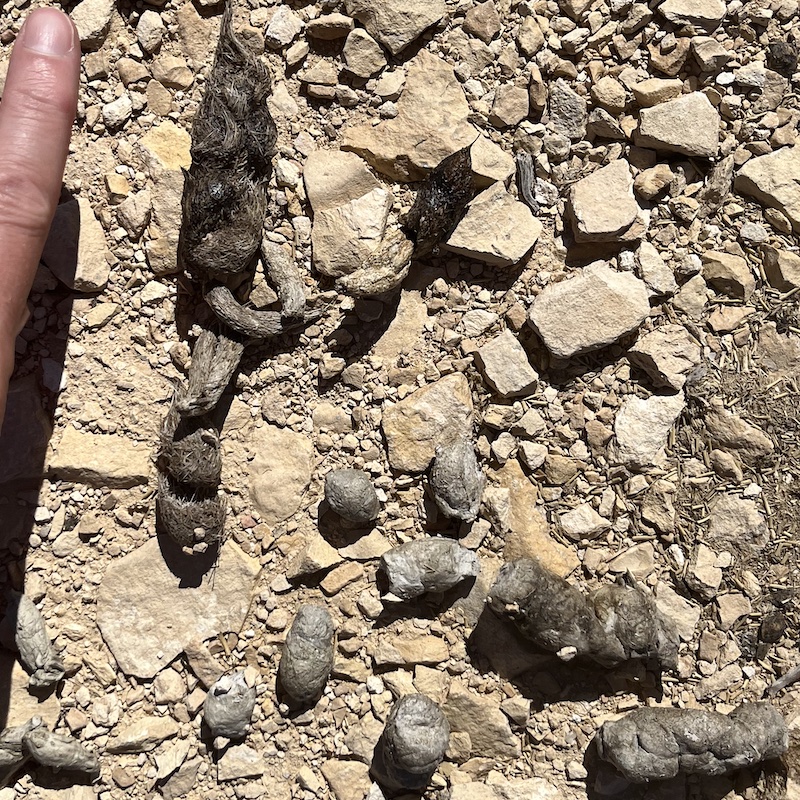
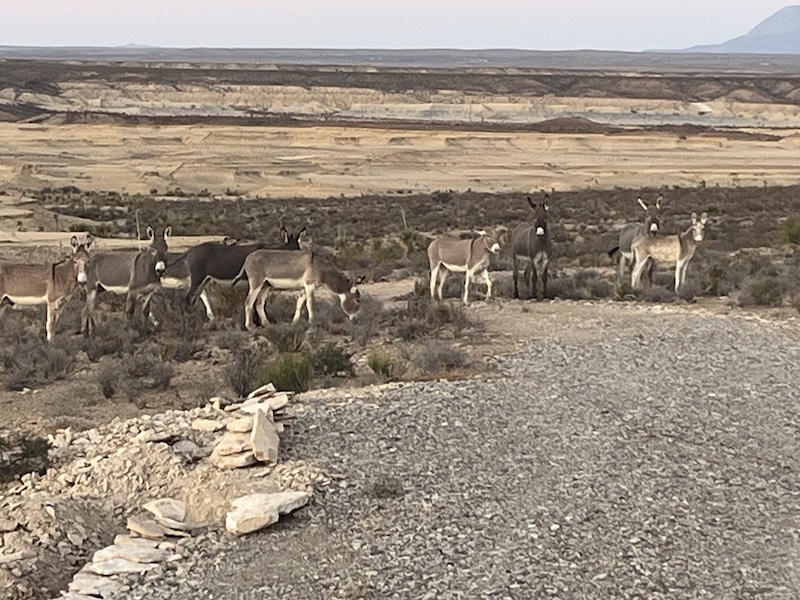
Class Mammalia (Mammals)
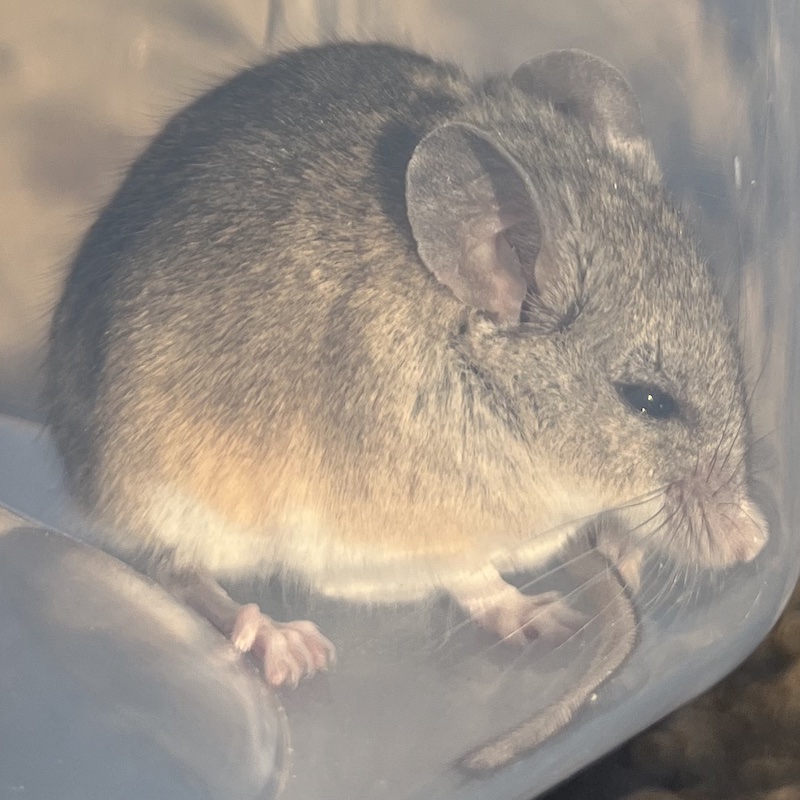
Total Mammal species: 4 (only two verified)
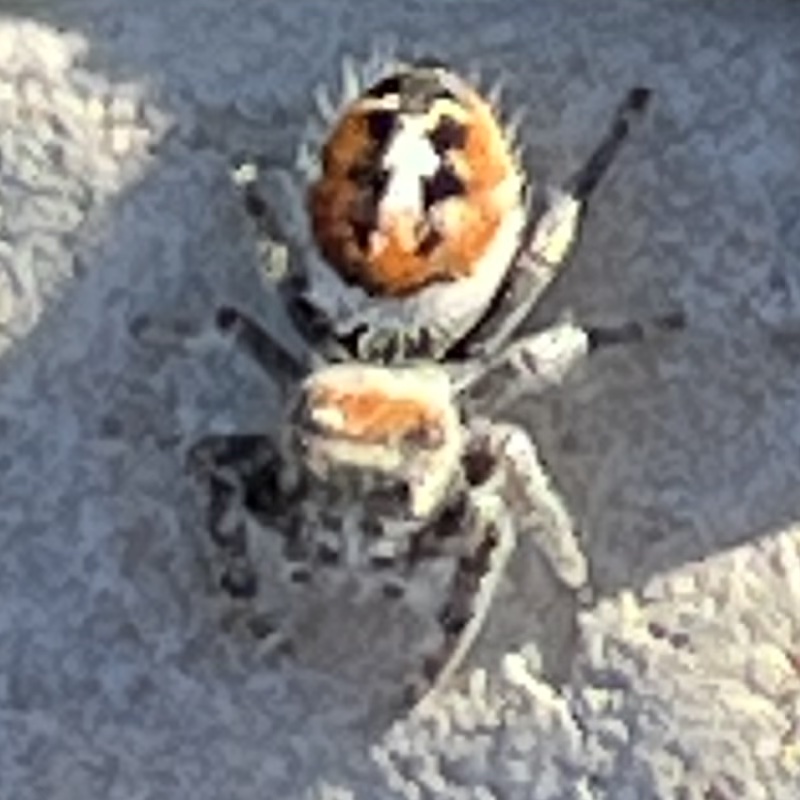
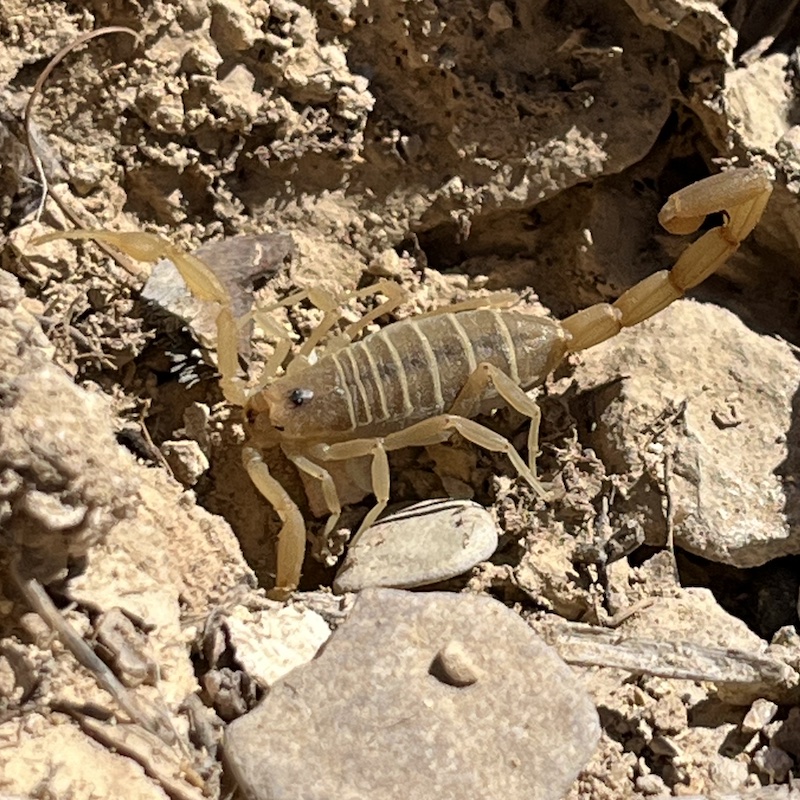
Class Arachnida
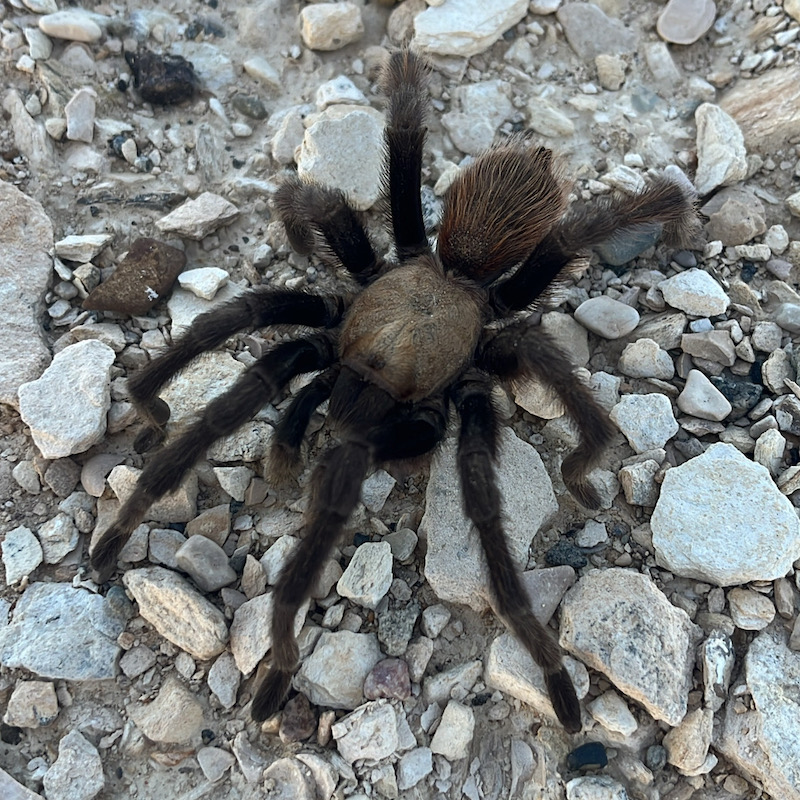
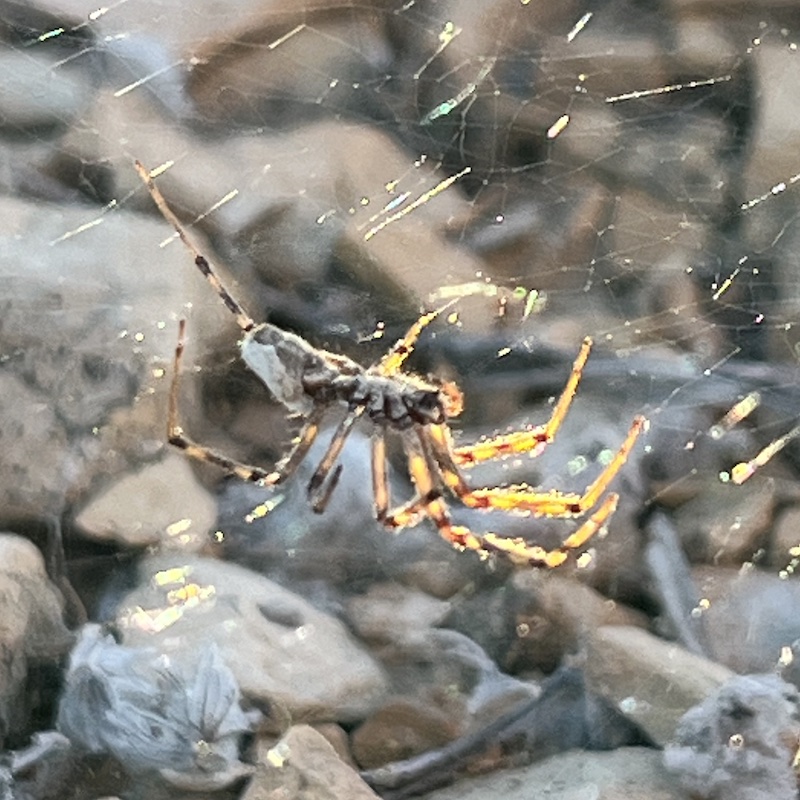
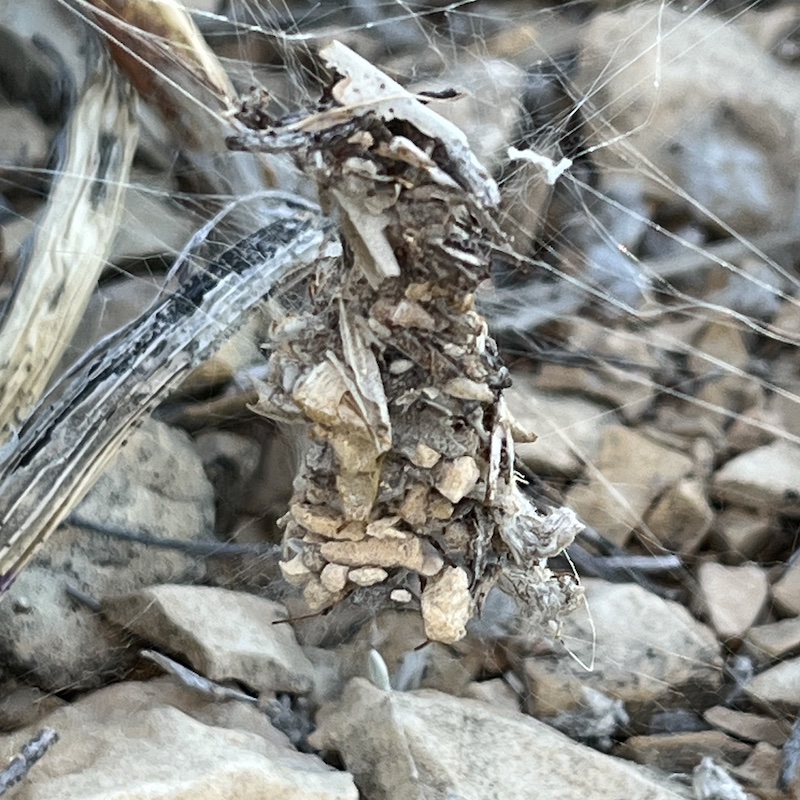
Total Arachnida species: 4 verified (To see them, click the triangle. You’re welcome)
8-legged invertebrate animals, including spiders and scorpions
Class Reptilia (and Amphibia)
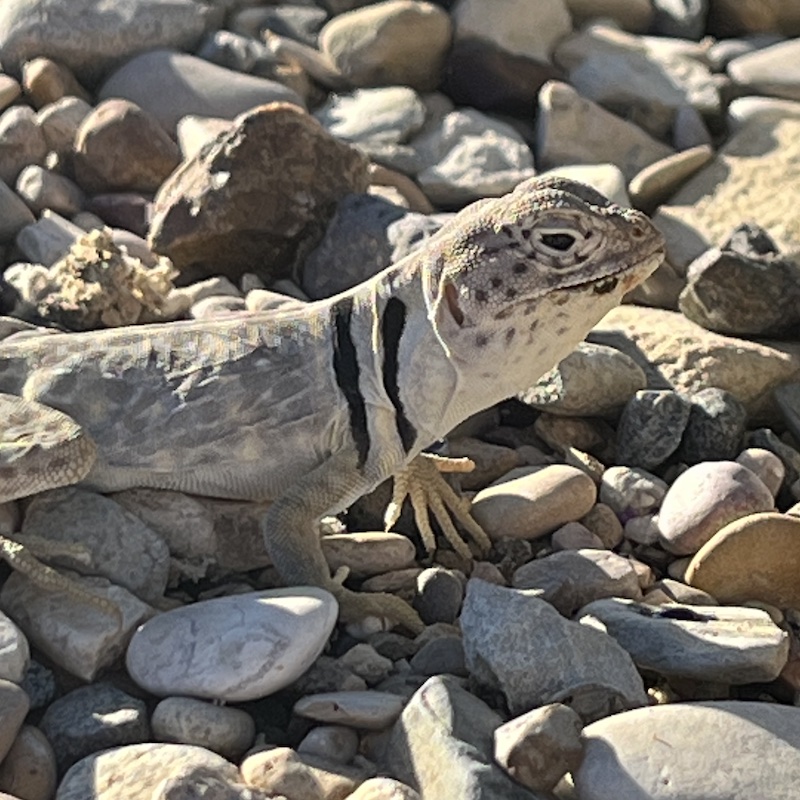
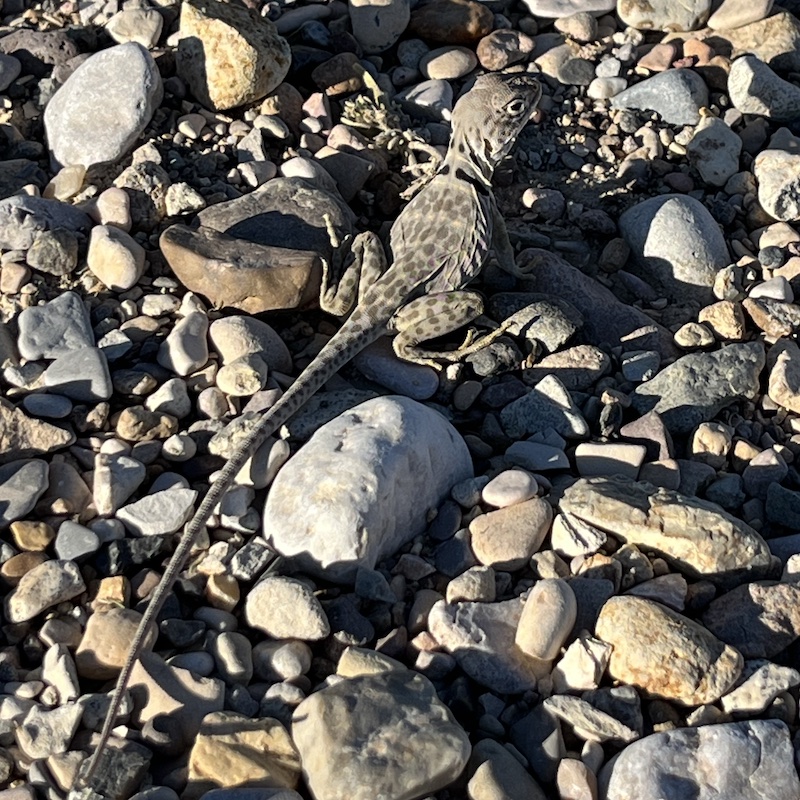
Order Squamata: Snakes and Lizards (and Anura: Frogs and Toads)
Total Reptilia species: 3; Total Amphibia species: 1

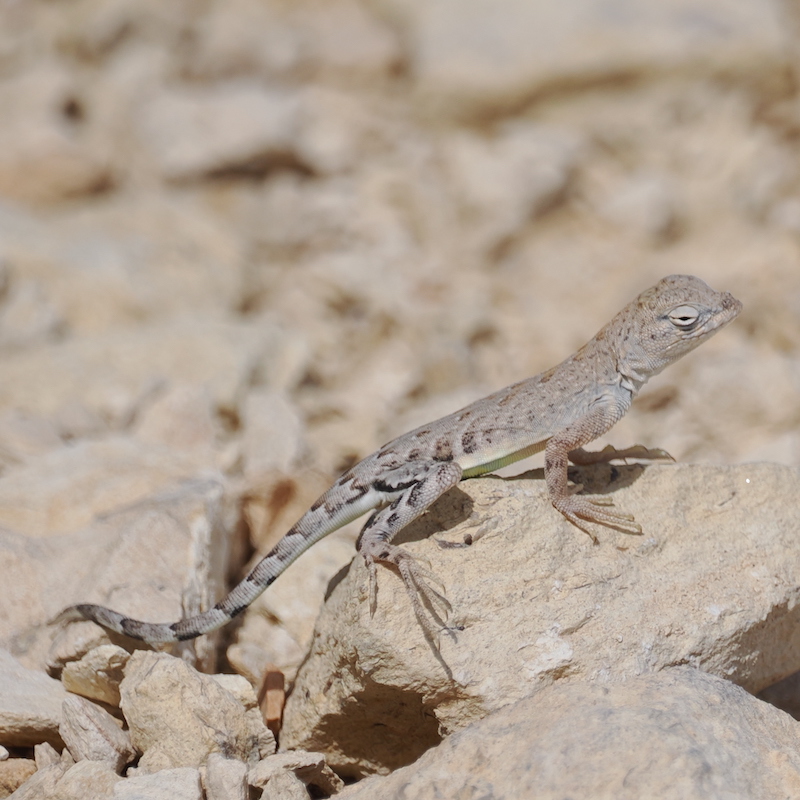
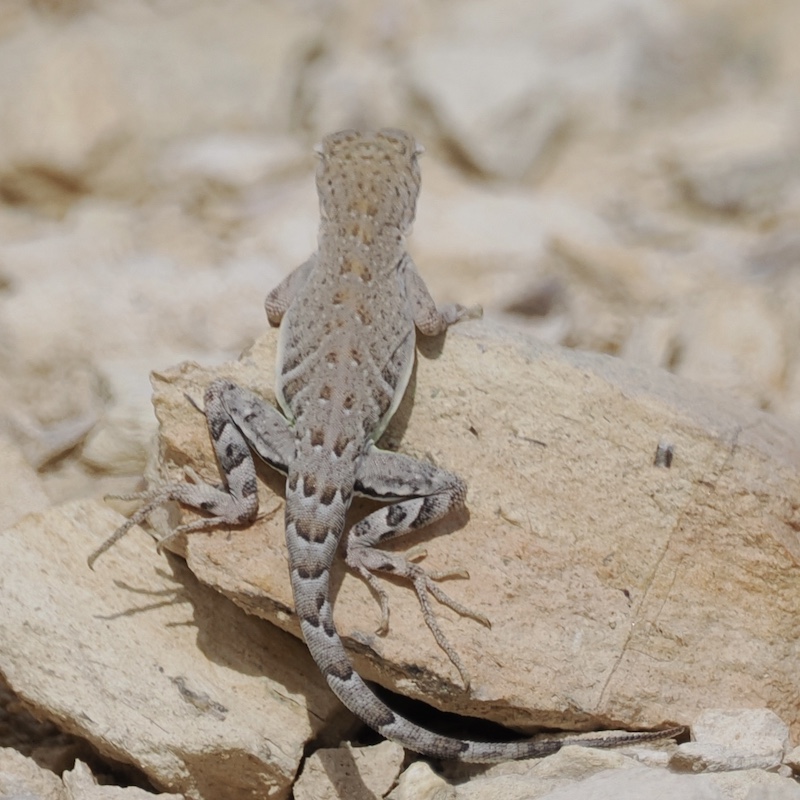
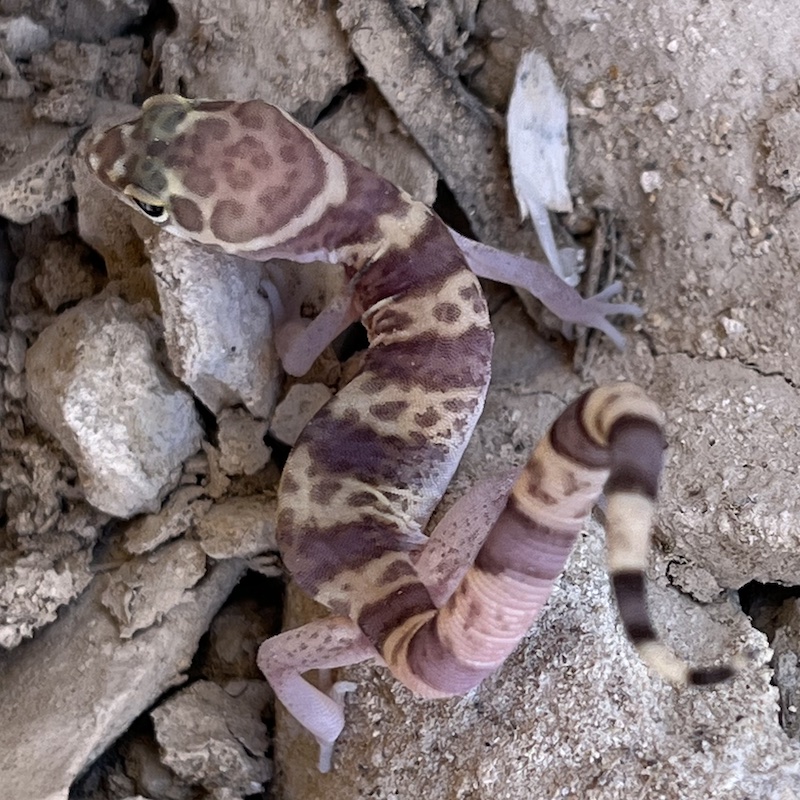
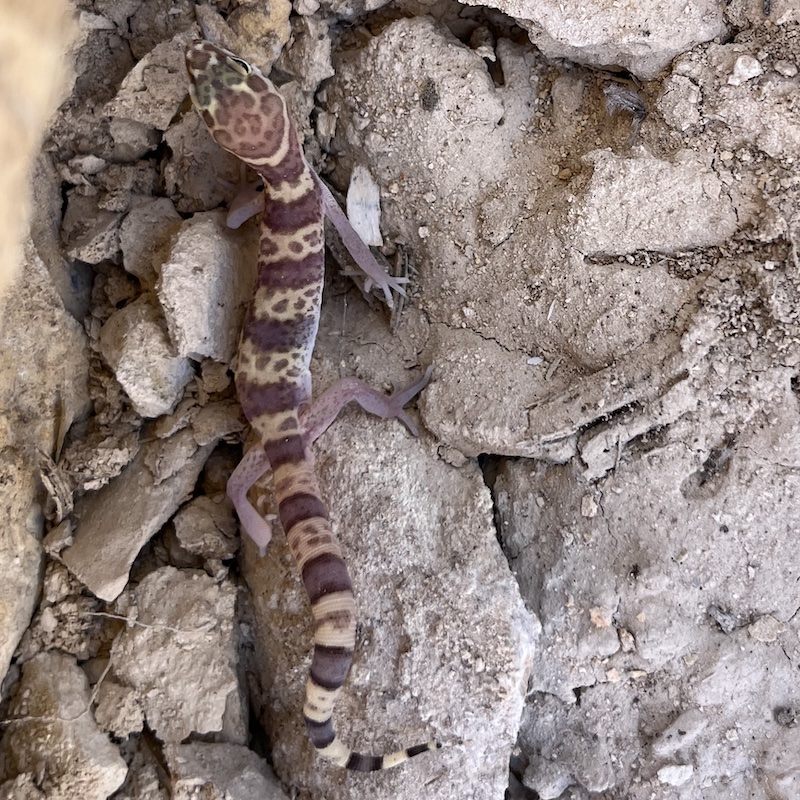

Class Insecta
Order Coleoptera: Beetles
Total Coleoptera species: 3
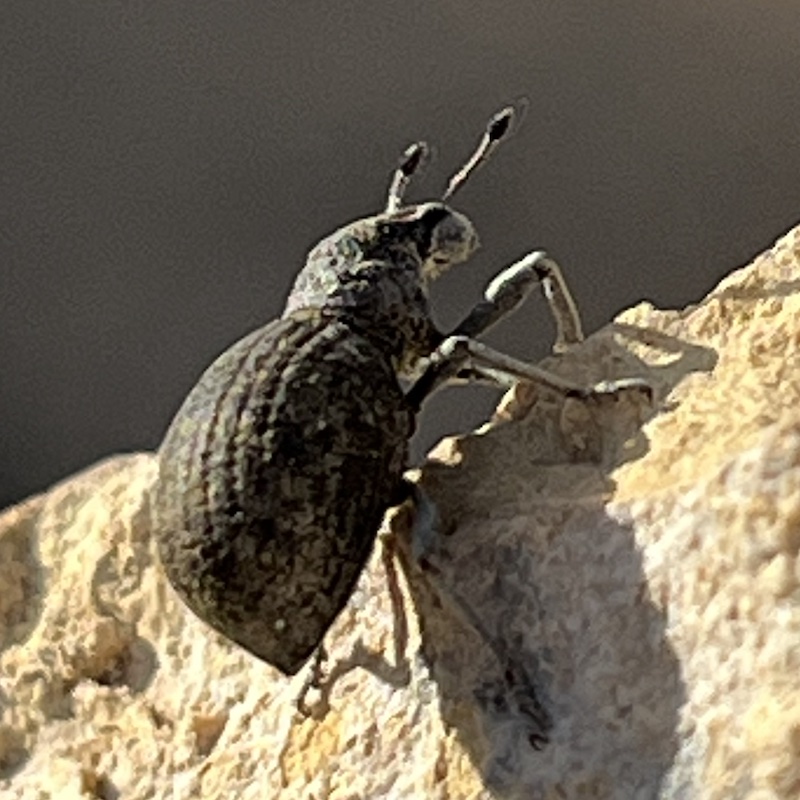
(Genus Ophryastes)
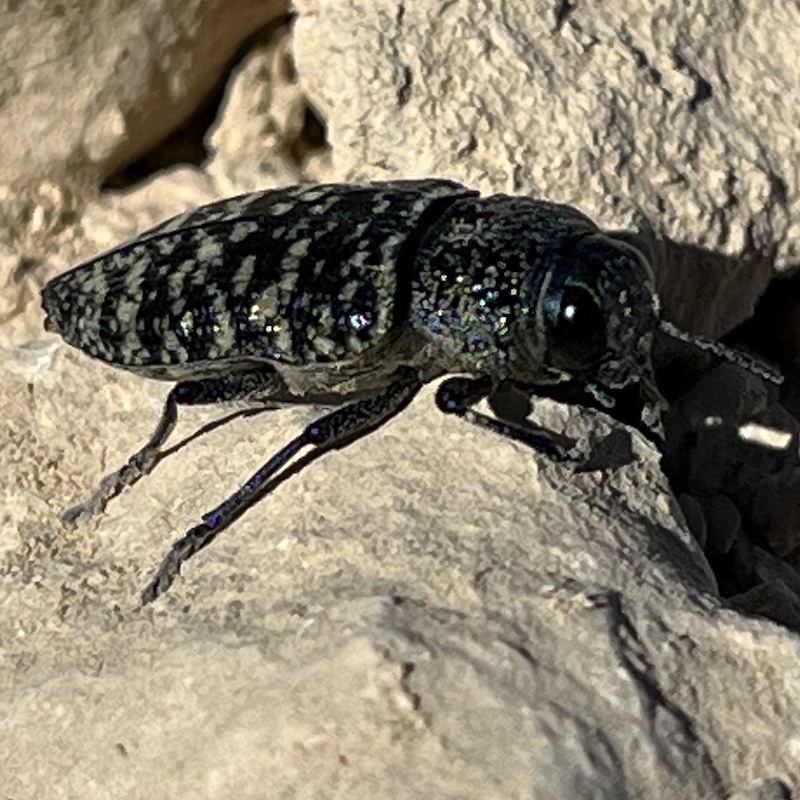
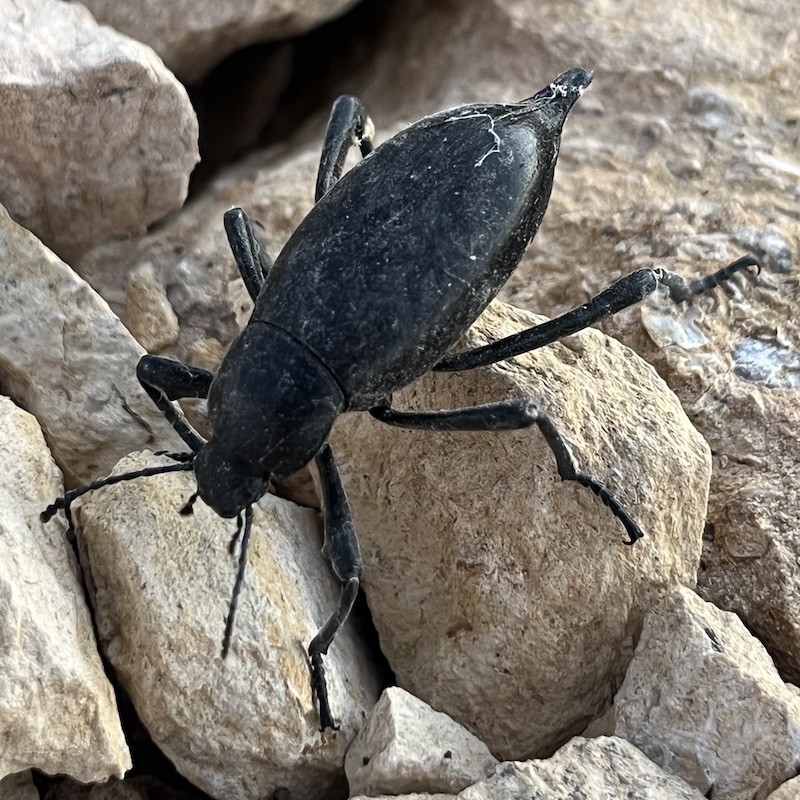
(Species Eleodes spinipes)
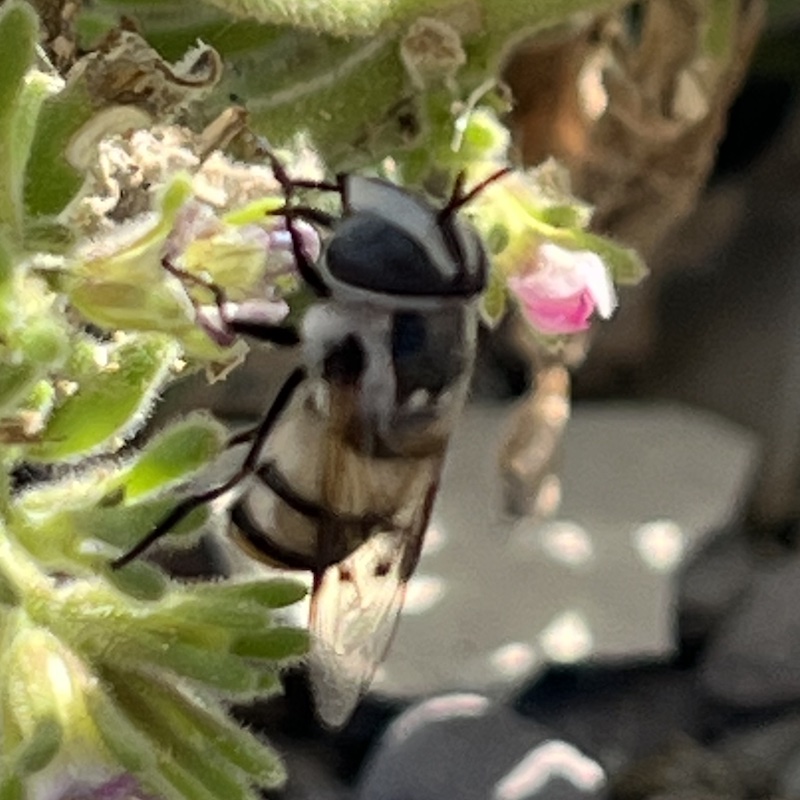
Order Diptera: Flies
Total Diptera species: 7+ (we also have common flies)
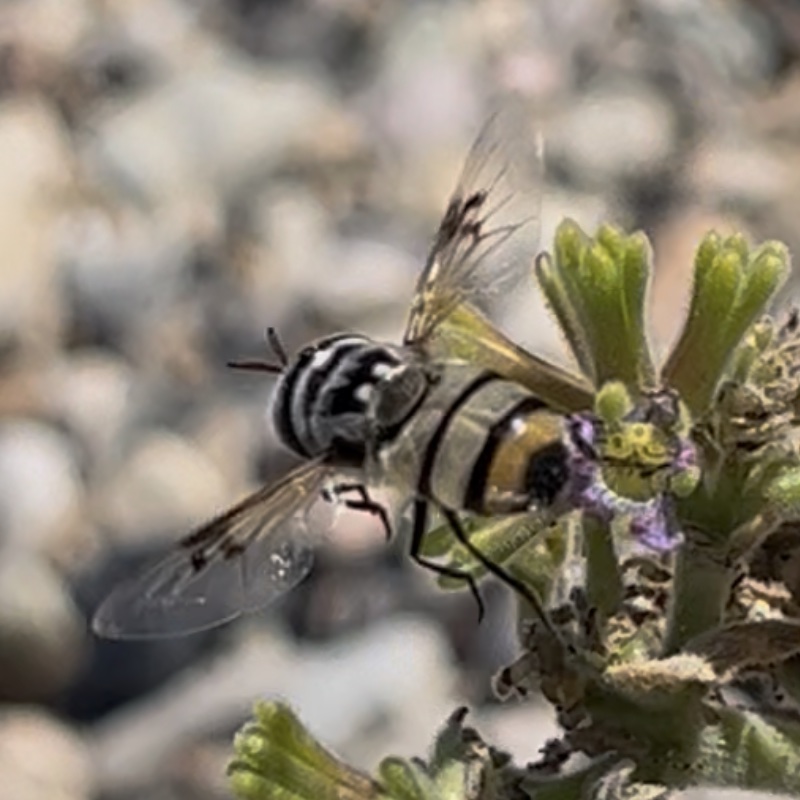
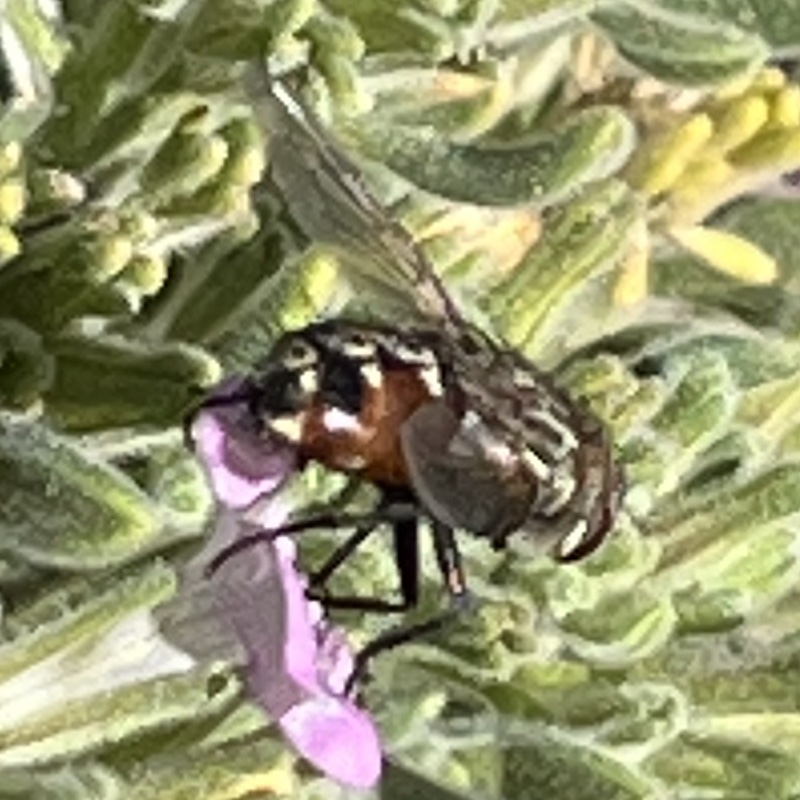
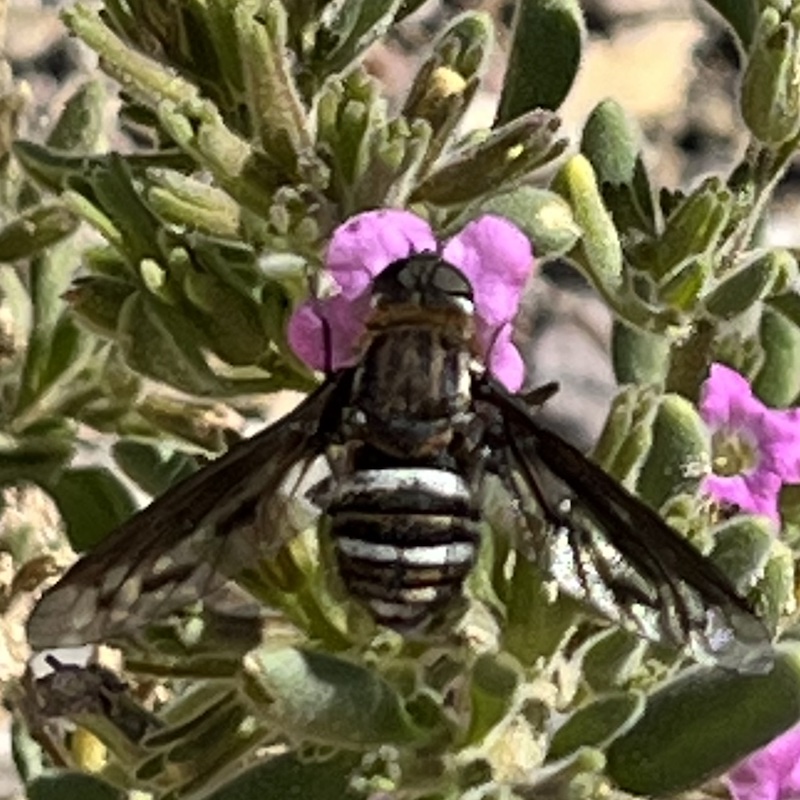


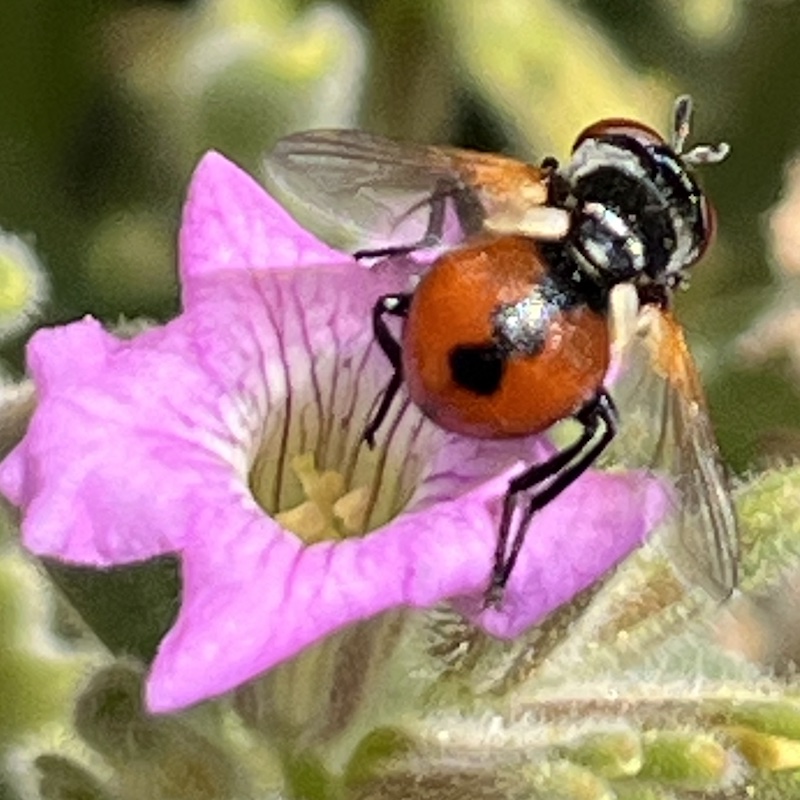

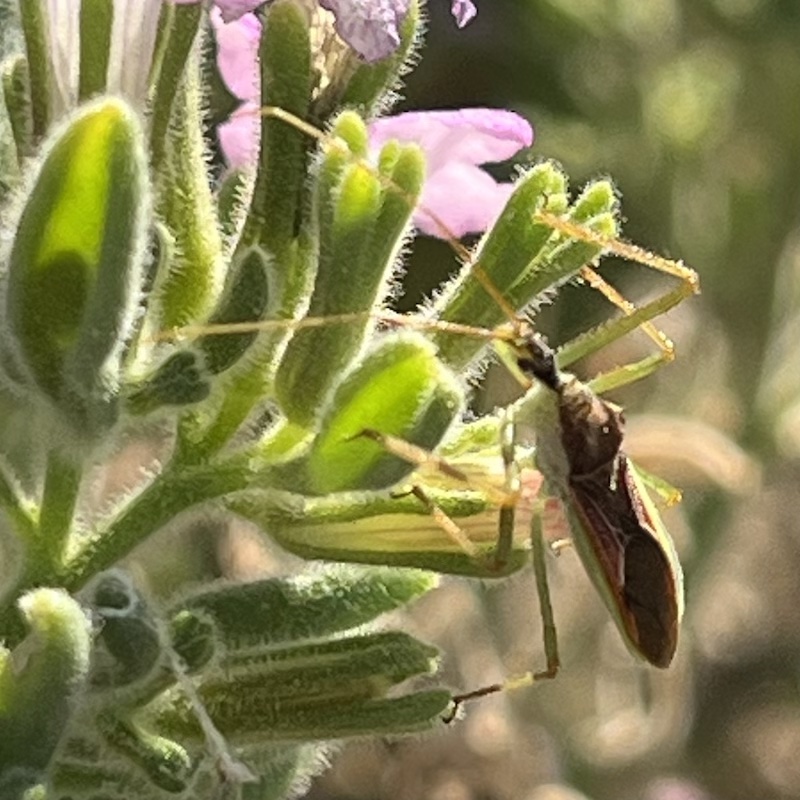
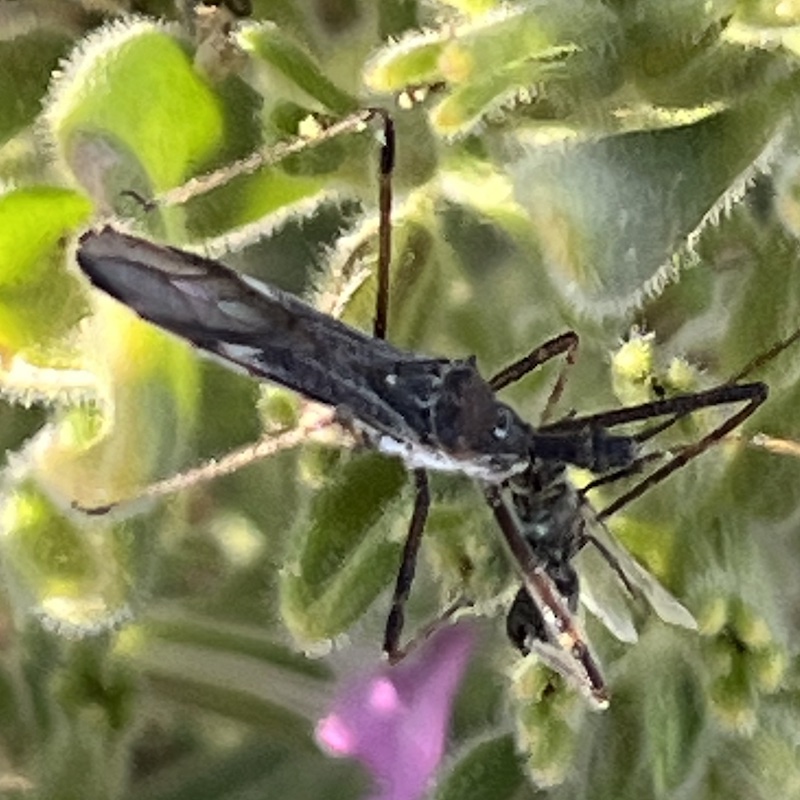
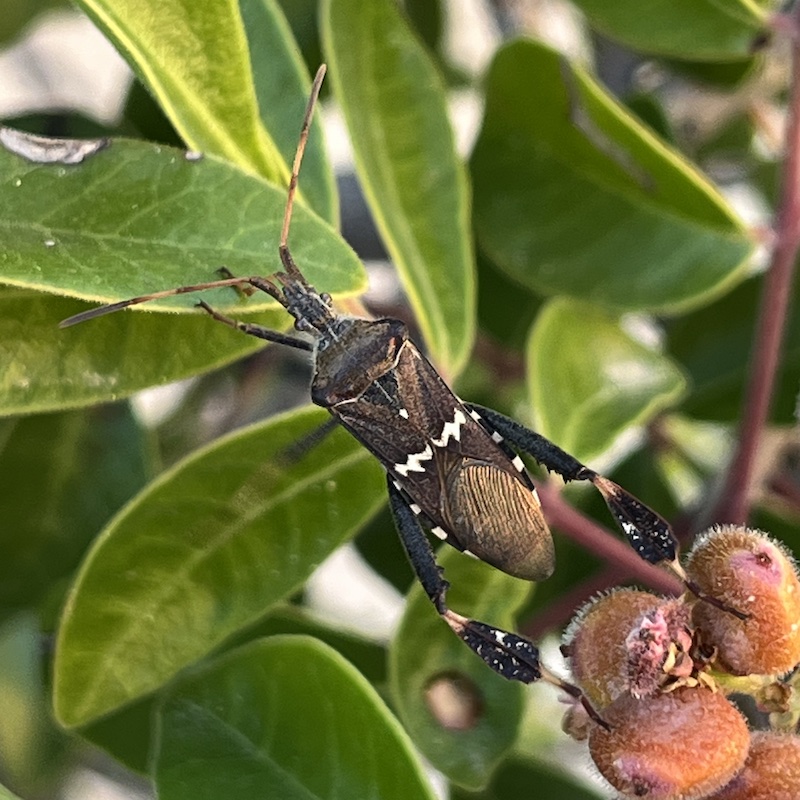
Order Hemiptera: True Bugs, Hoppers, Aphids, and Allies
Total Hemiptera species: 4

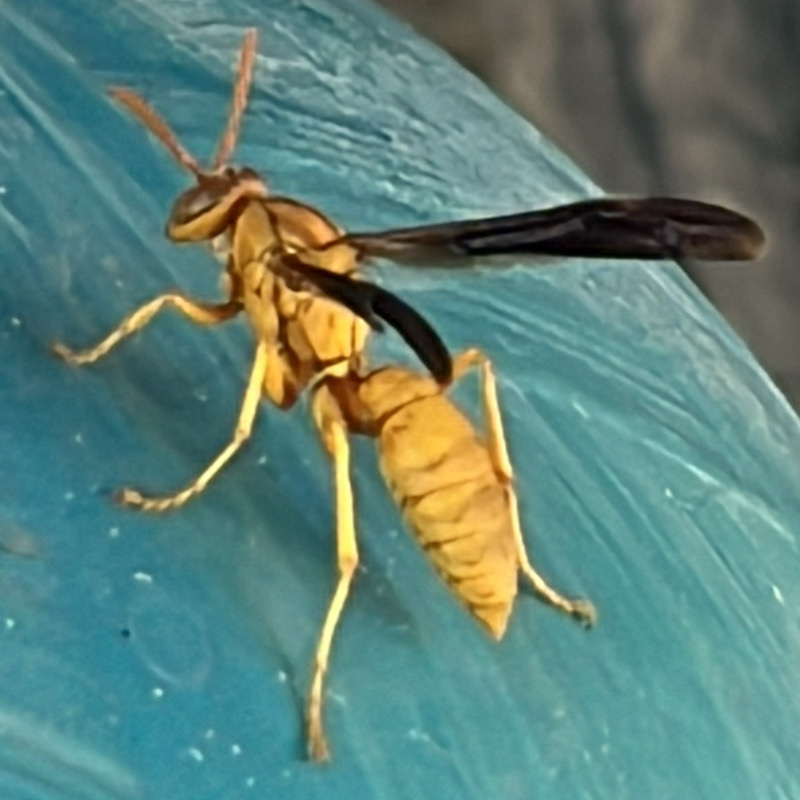
Order Hymenoptera: Ants, Bees, Wasps, and Sawflies
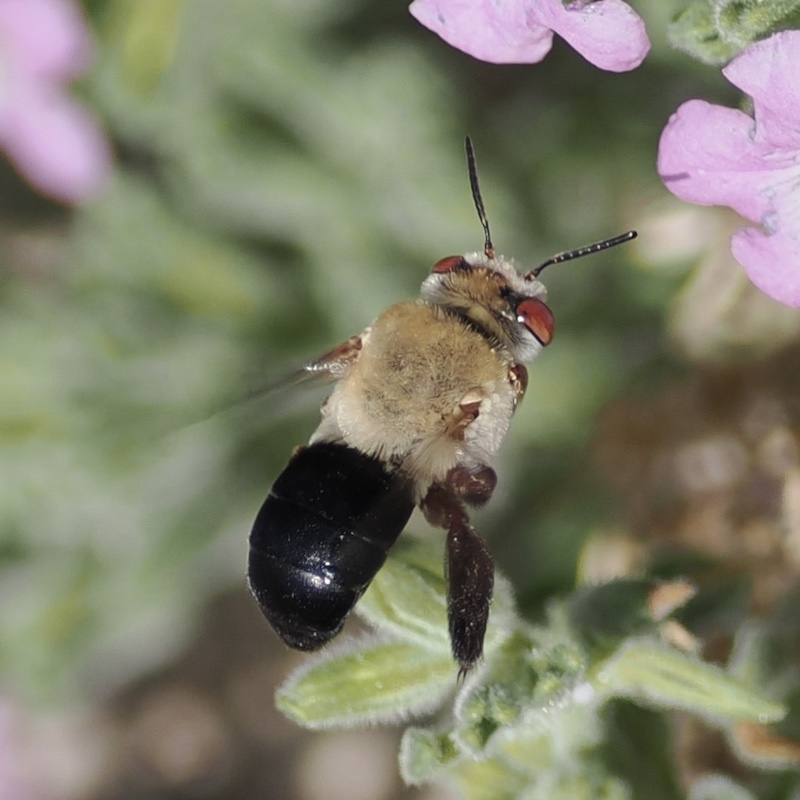
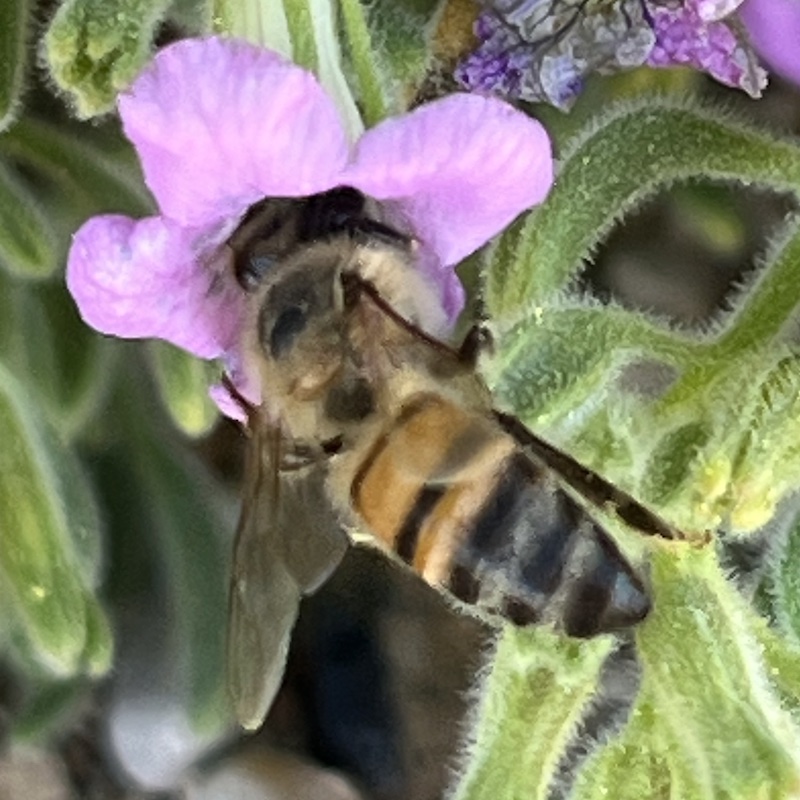
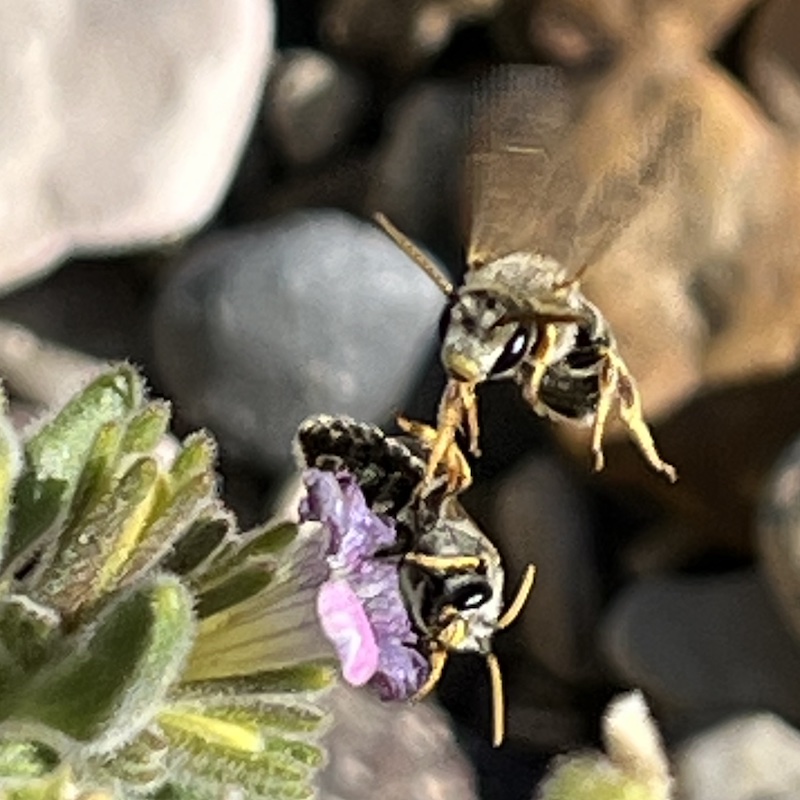
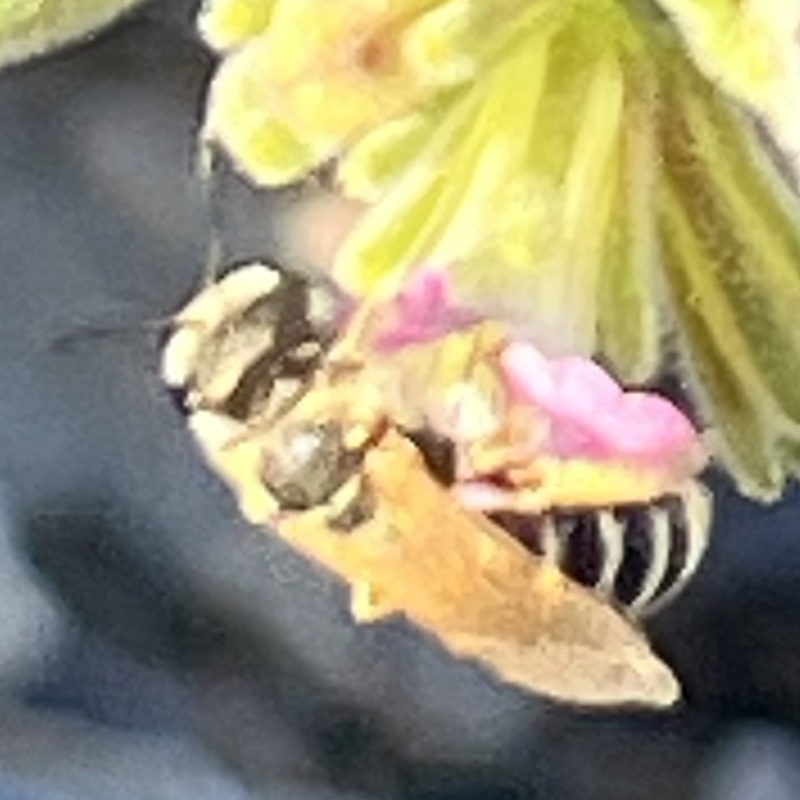
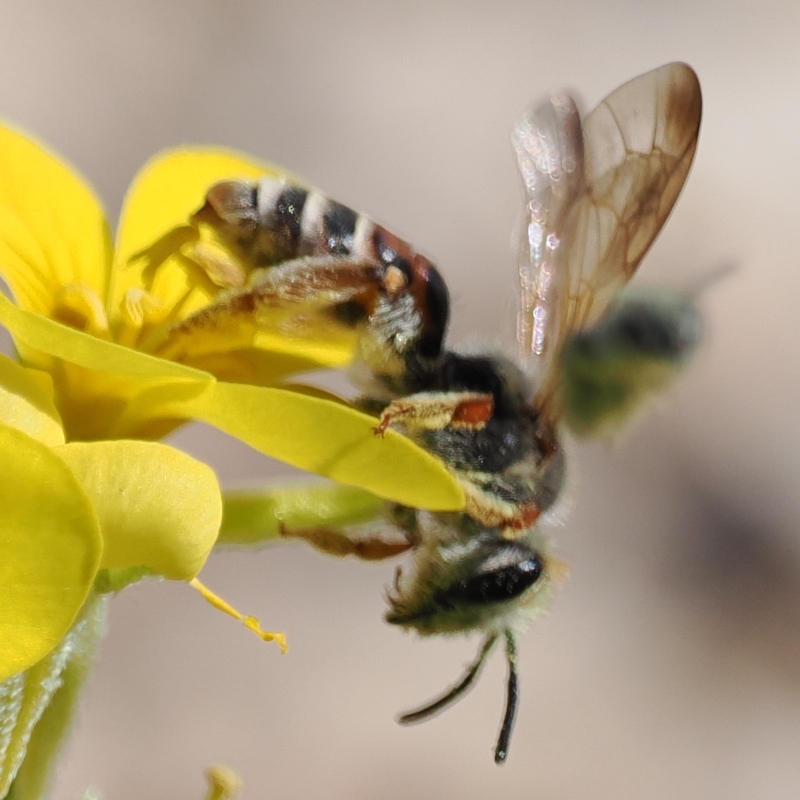
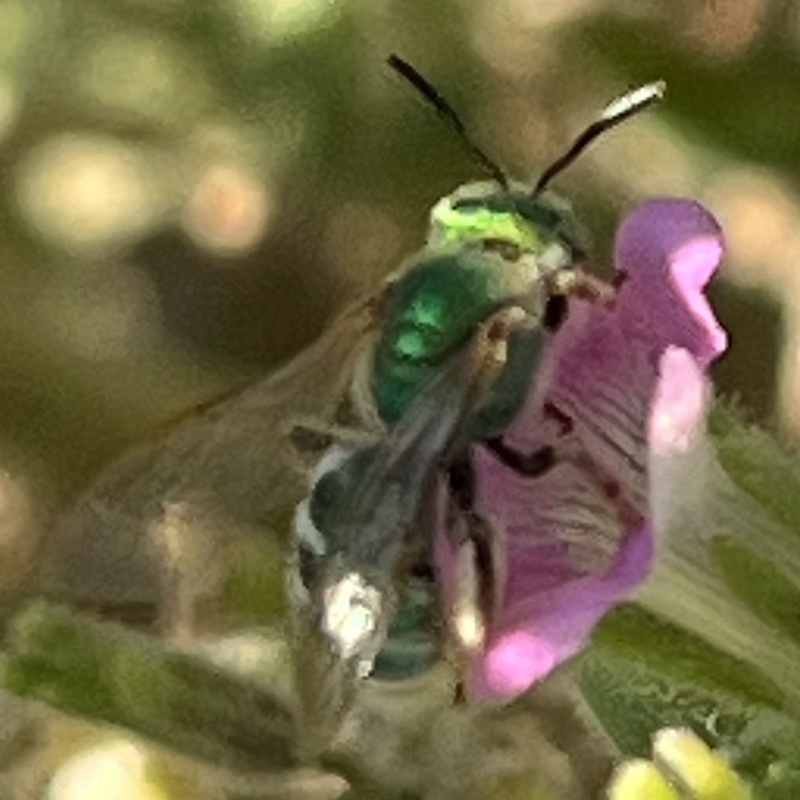
Total Hymenoptera species: 13+ (haven’t identified but have seen others)


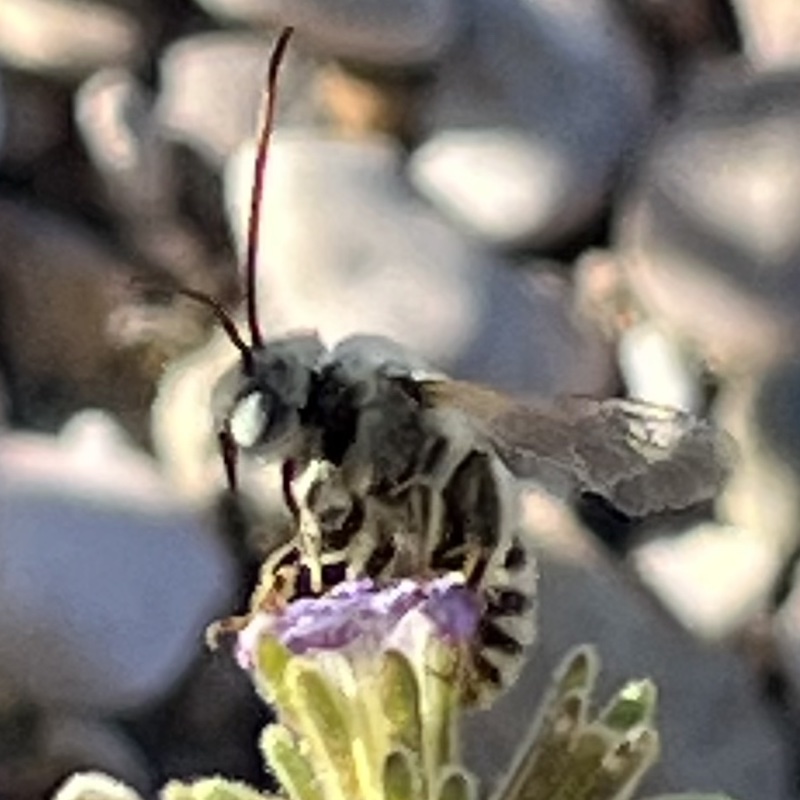
(Genus Milissodes)

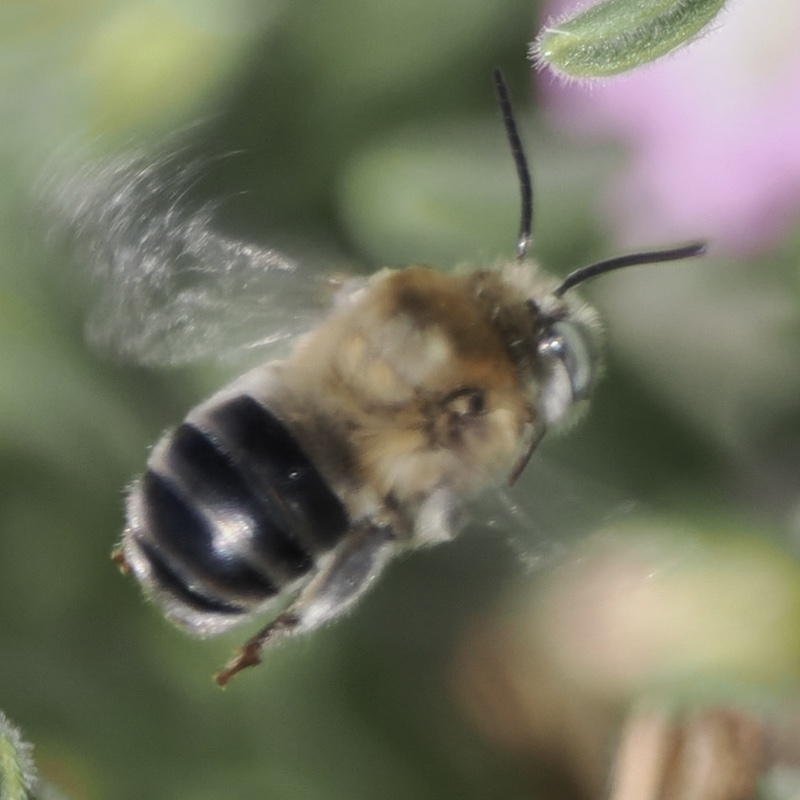
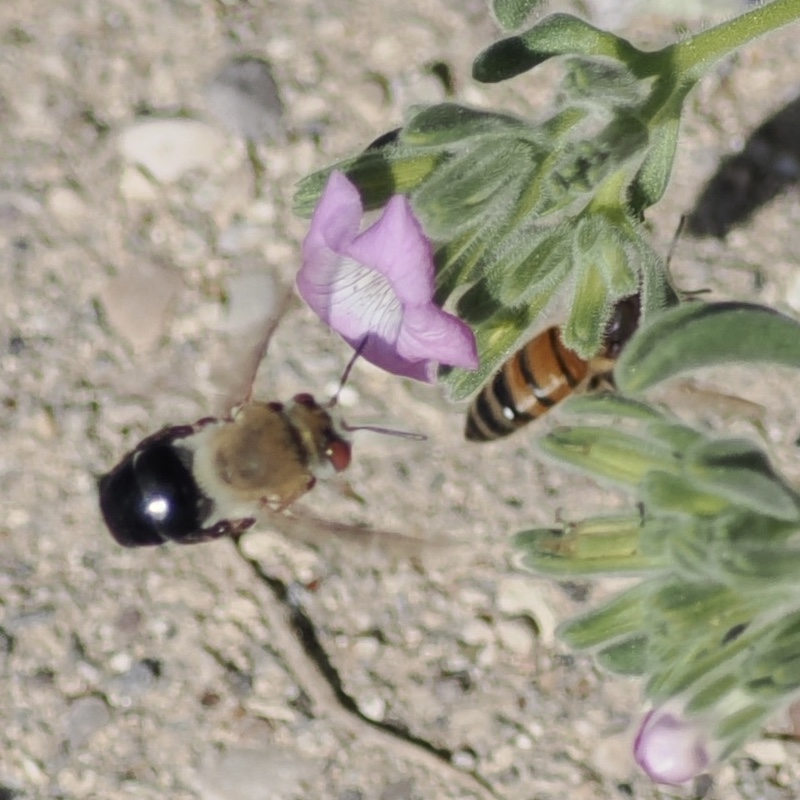
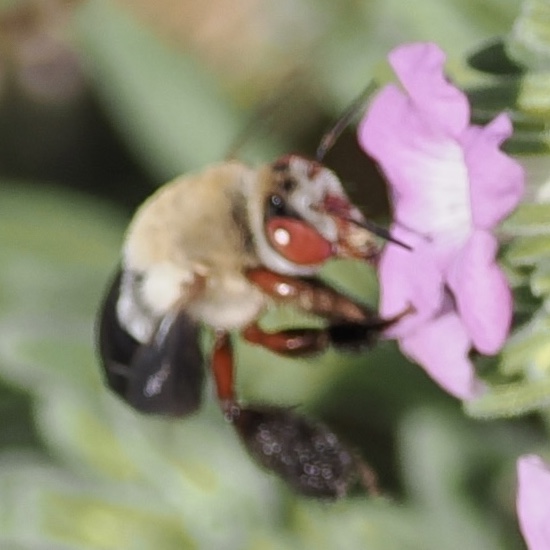


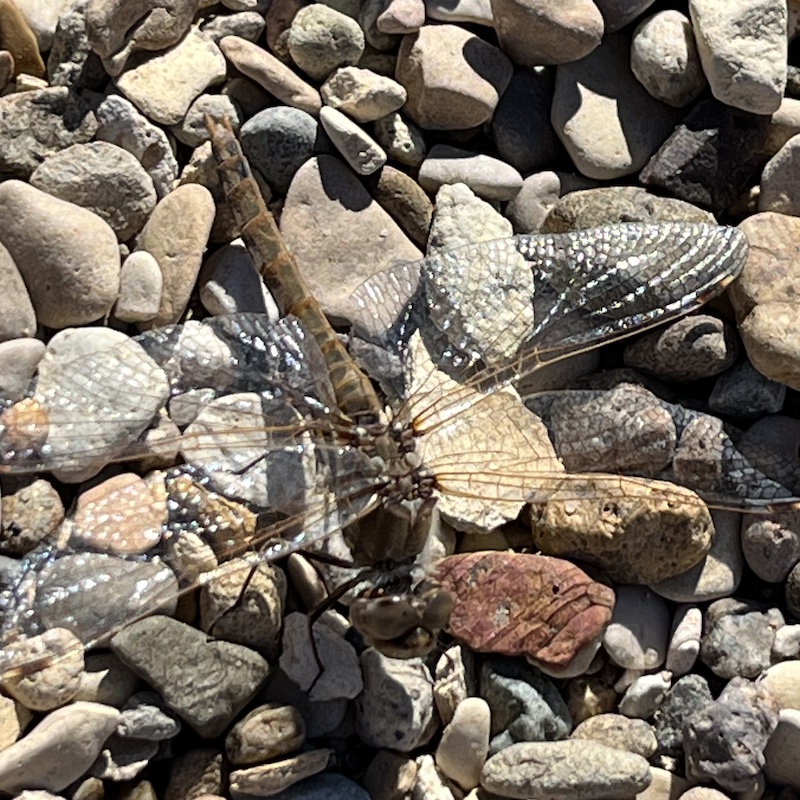
Order Odonata: Dragonflies and Damselflies
Total Odonata species: 1
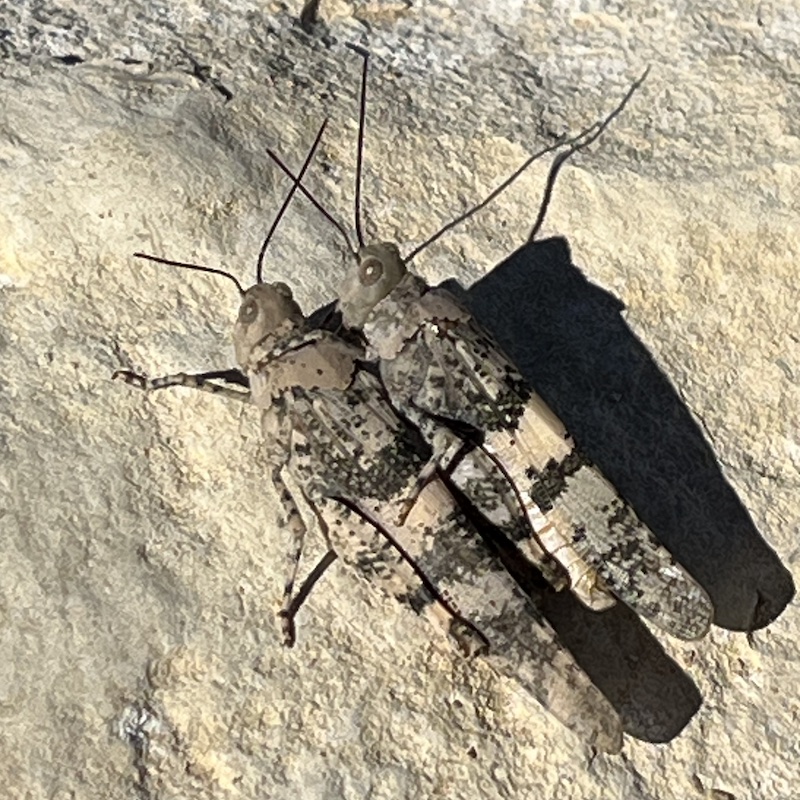
Order Orthoptera: Grasshoppers, Crickets, and Katydids
Total Orthoptera species: 6

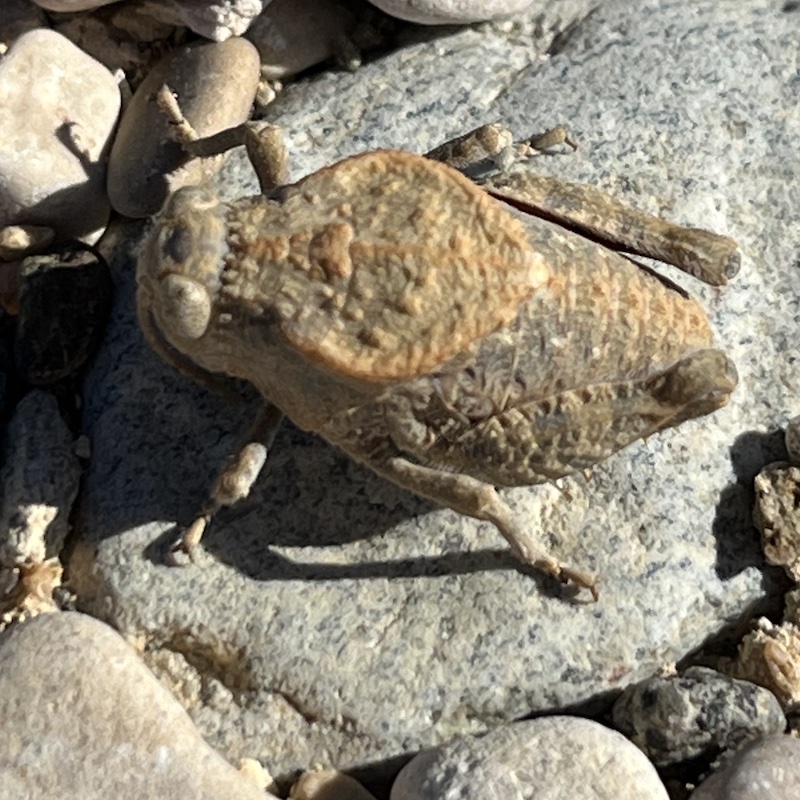
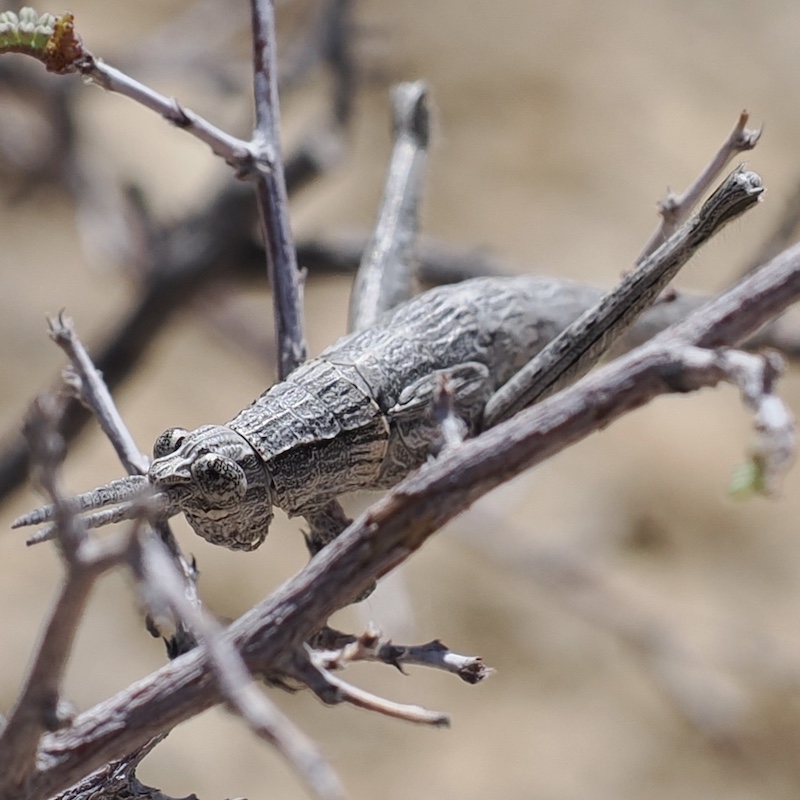
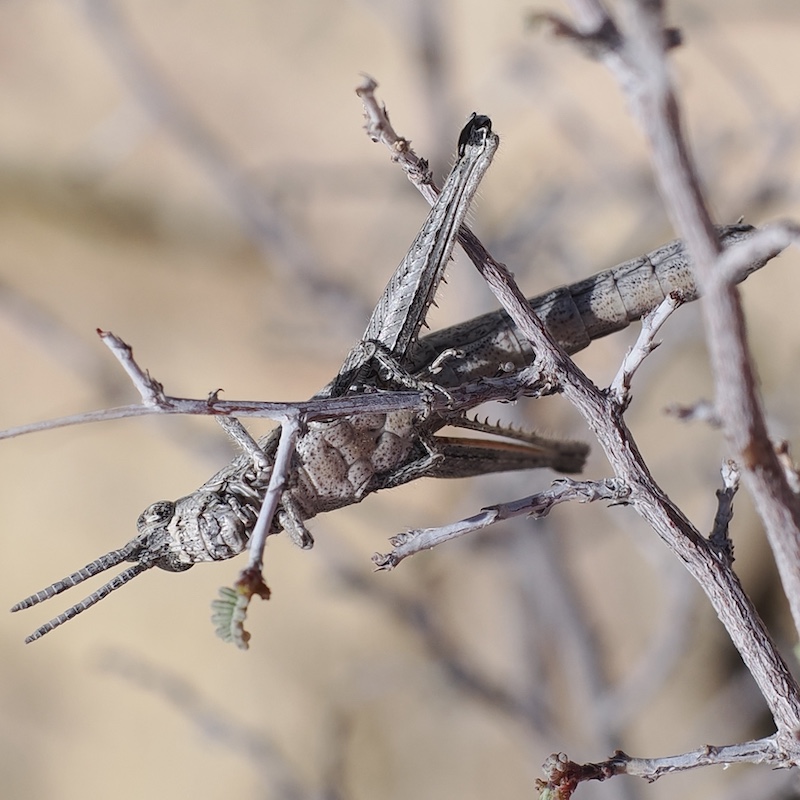

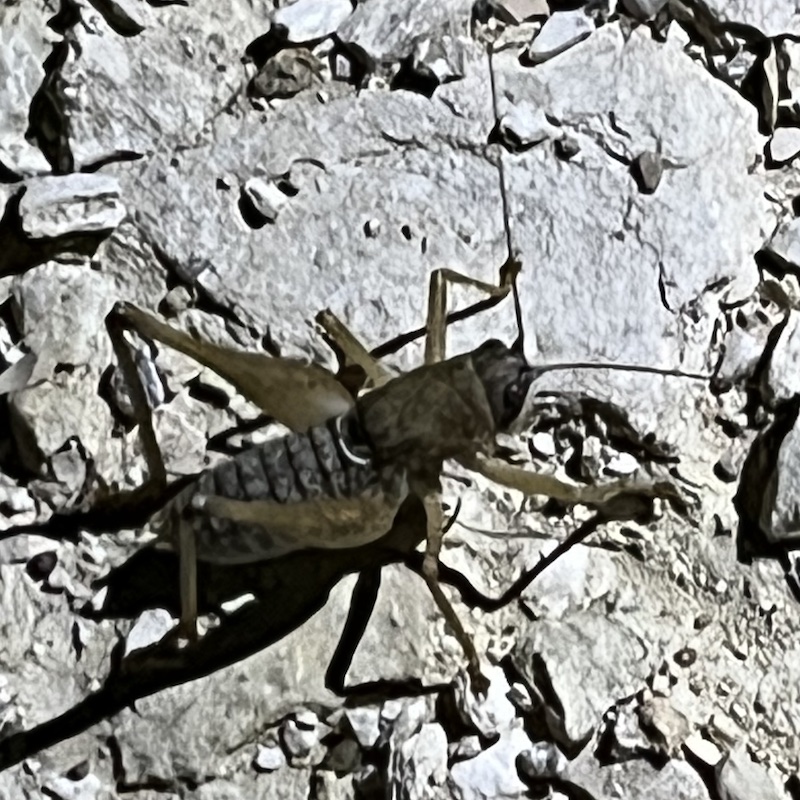
(Genus Pediodectes)
Order Lepidoptera: Butterflies and Moths
Total Butterflies observed: 24 different species; Total Moths observed: 4+?
Butterflies can look very different depending on which part of the wings you see and many species are very similar looking to others. Some cannot be distinguished in the field, so I have very little chance of getting those fully identified but iNat folks are great!
Family Hesperiidae: Skippers
Total Hesperiidae observed: 9 (skippers are small and not easy (for me) to identify down to the species, but I’m pretty sure we have been visited by at least 9 different skippers)
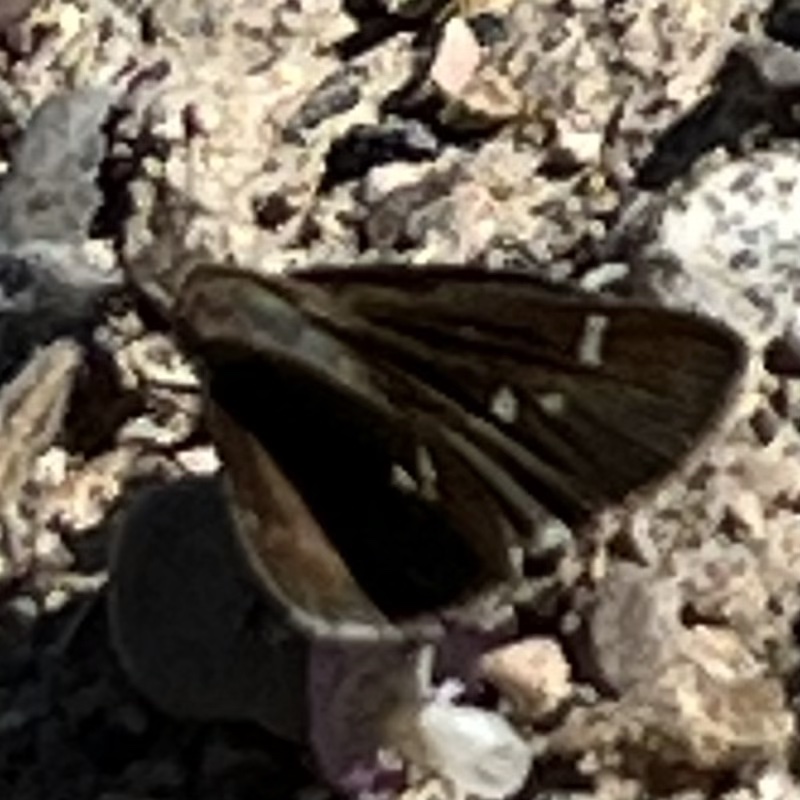


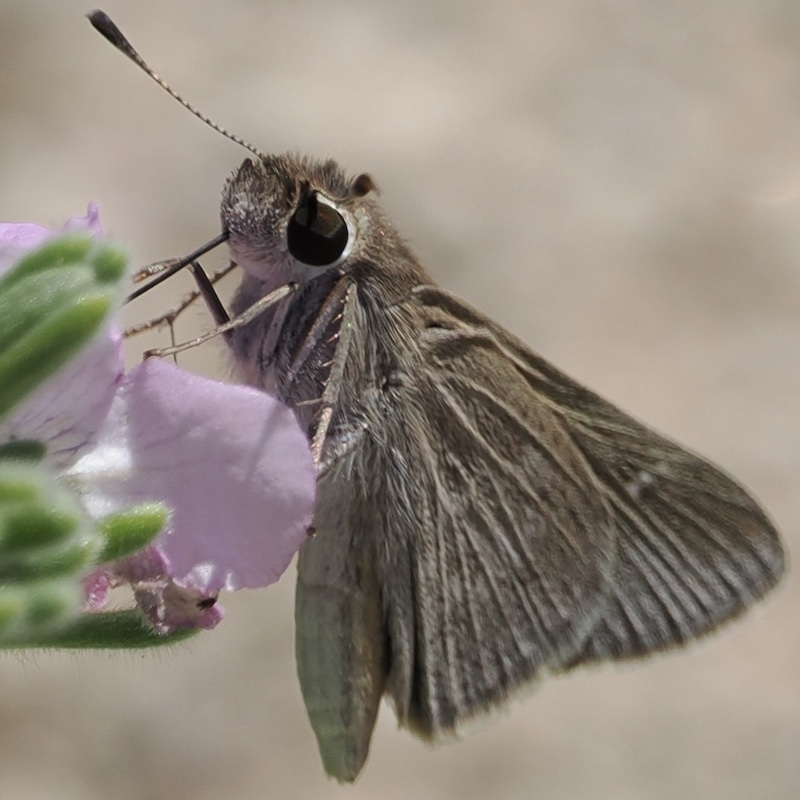

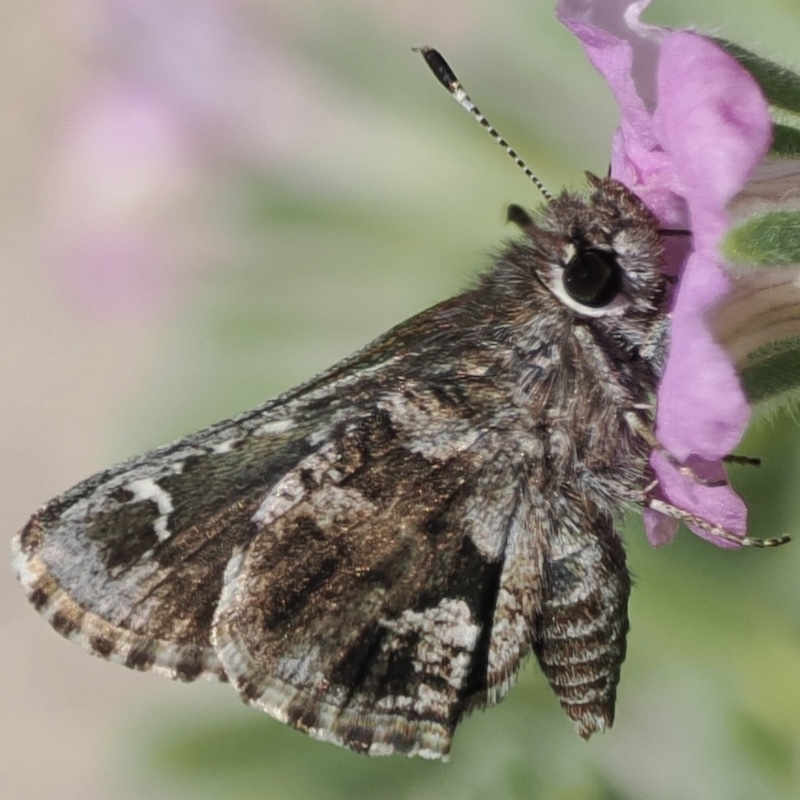
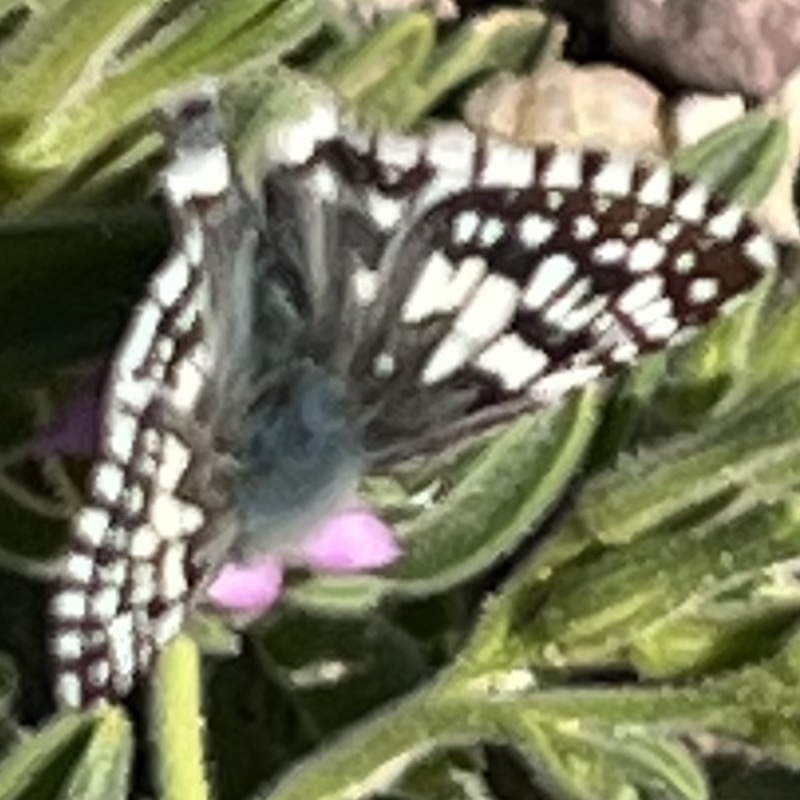
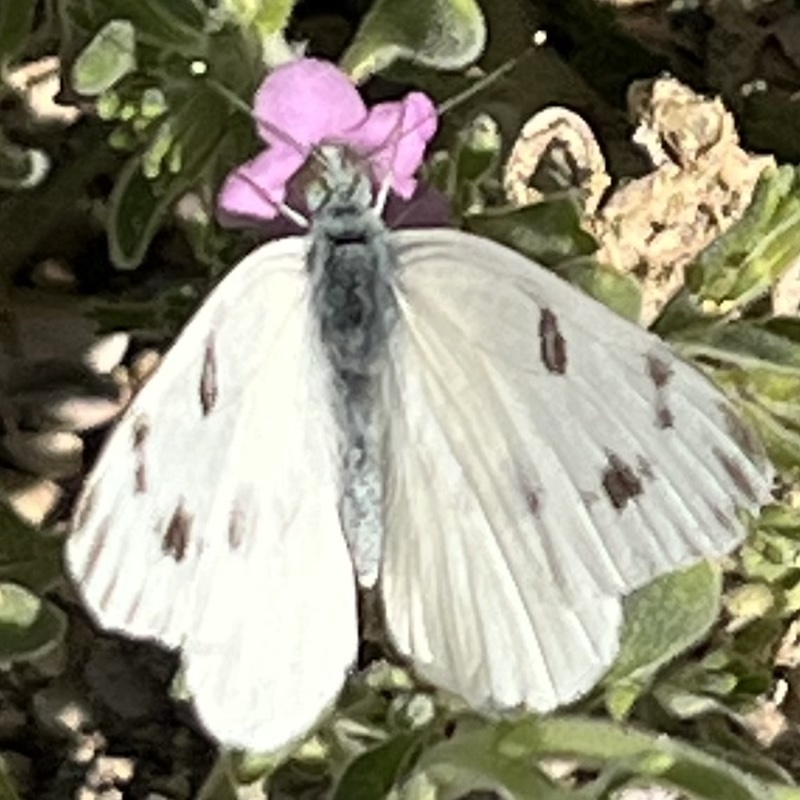
(or White Checkered Skipper)
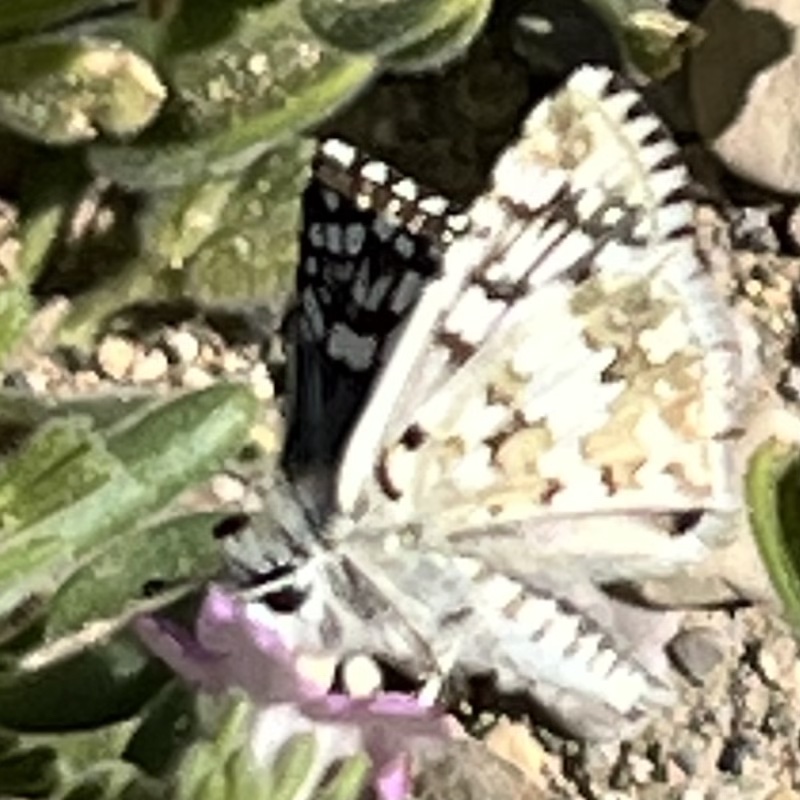
(or White Checkered Skipper)


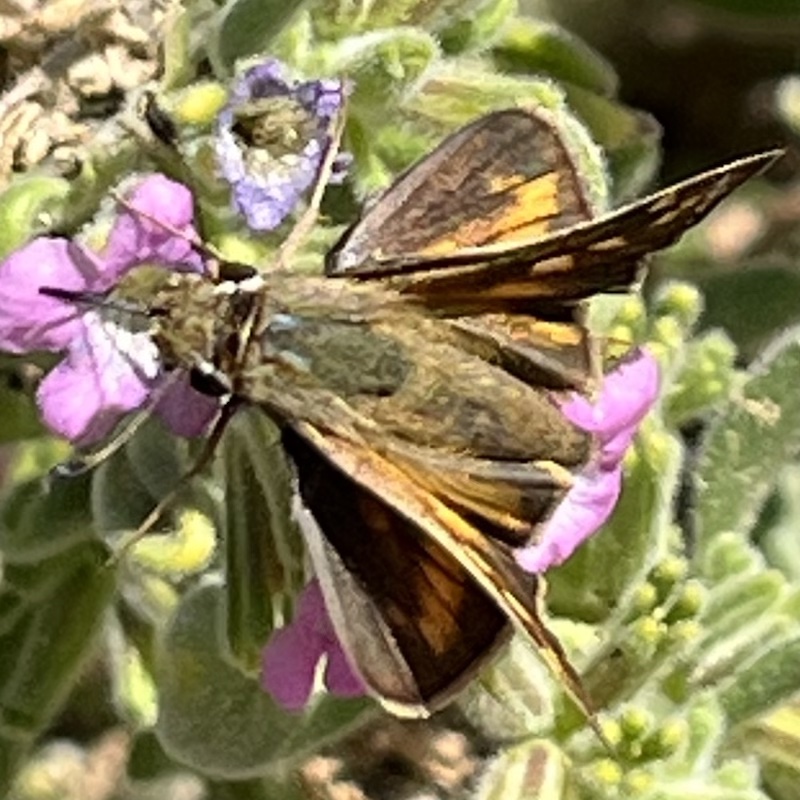


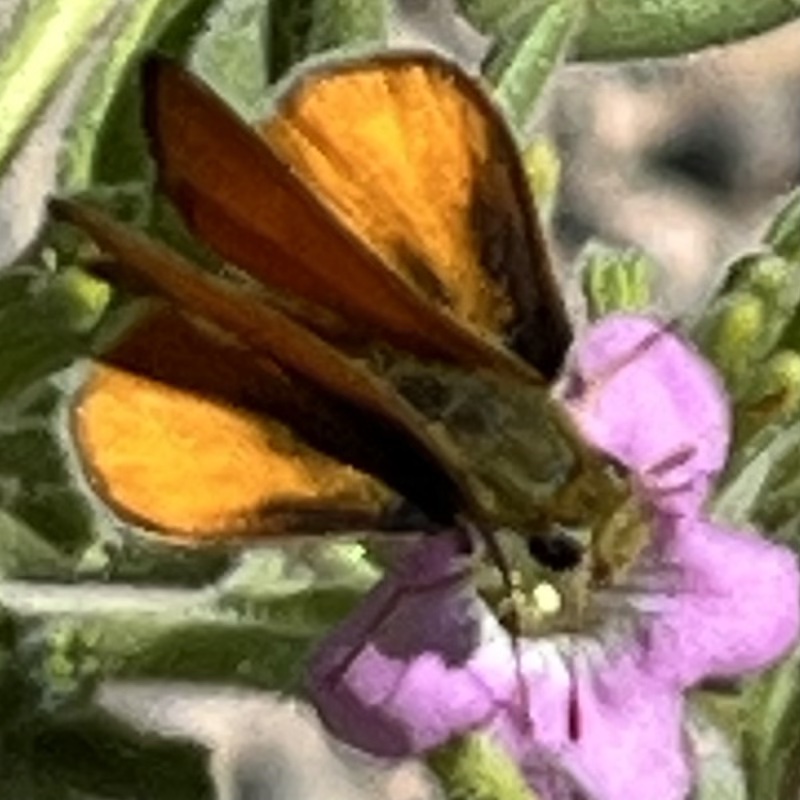
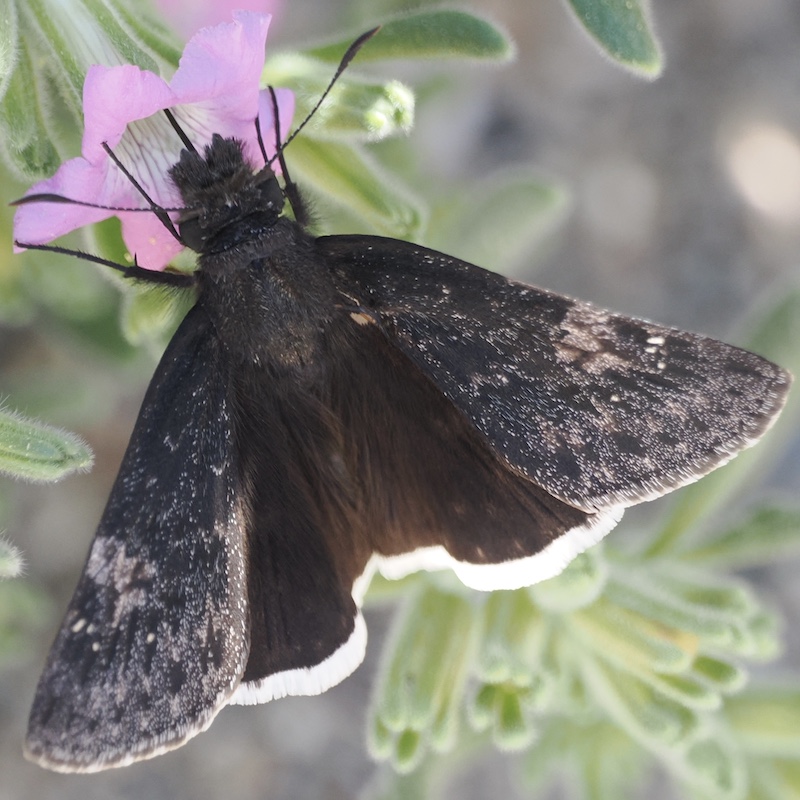
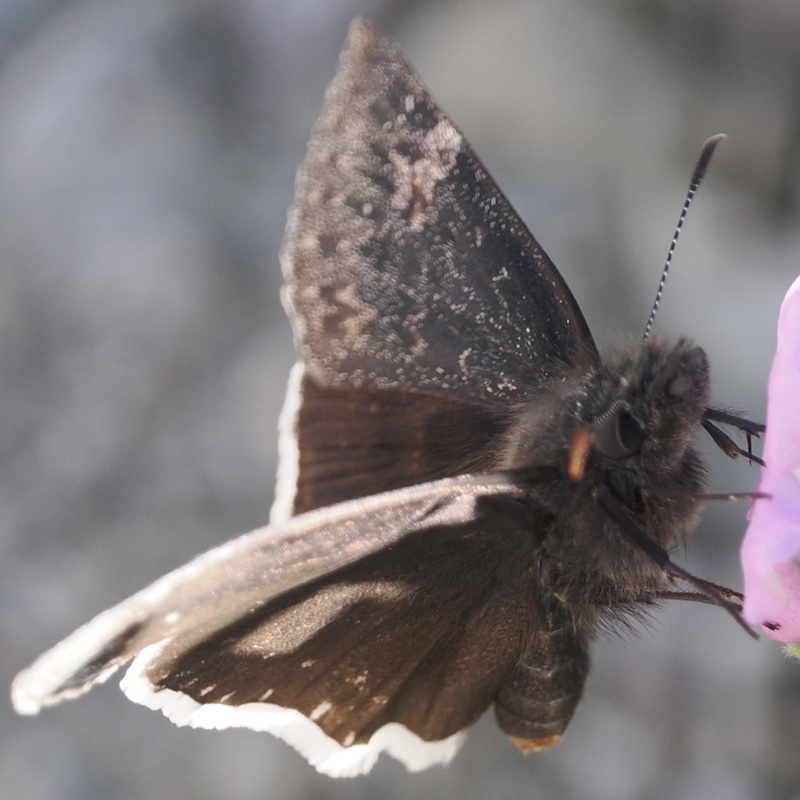
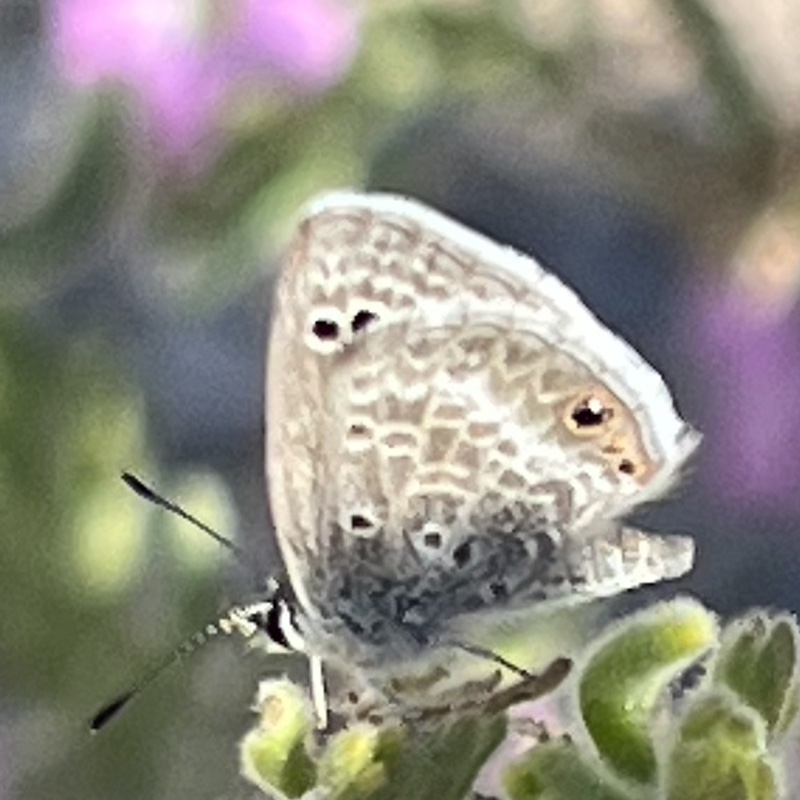
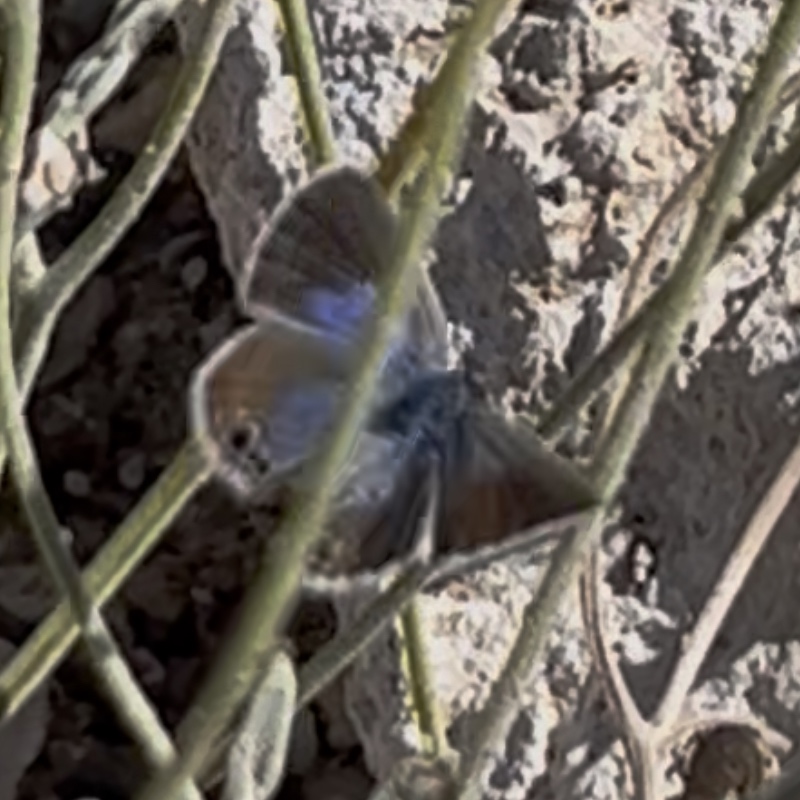
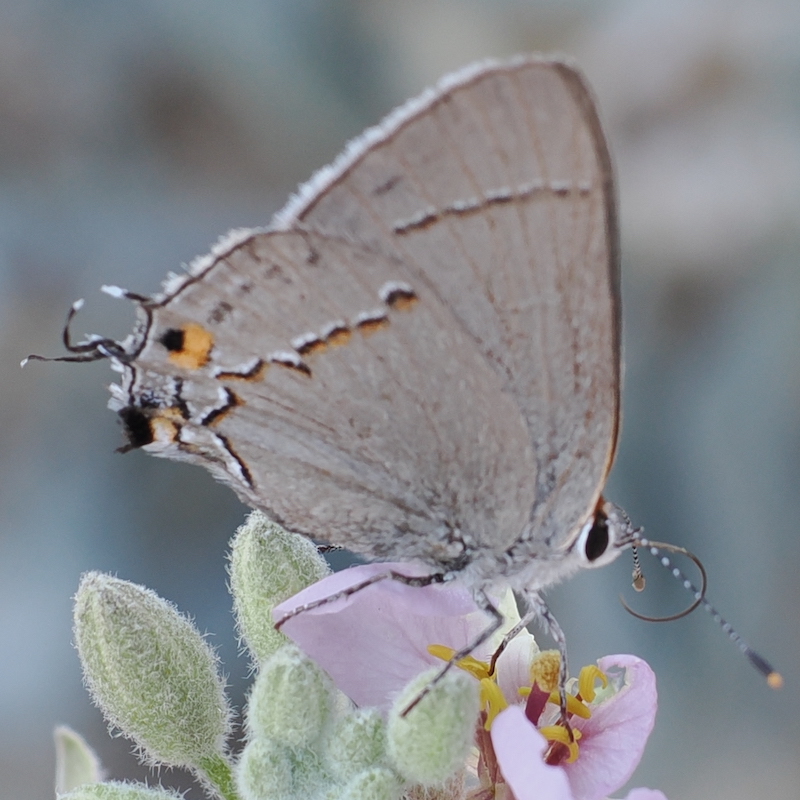
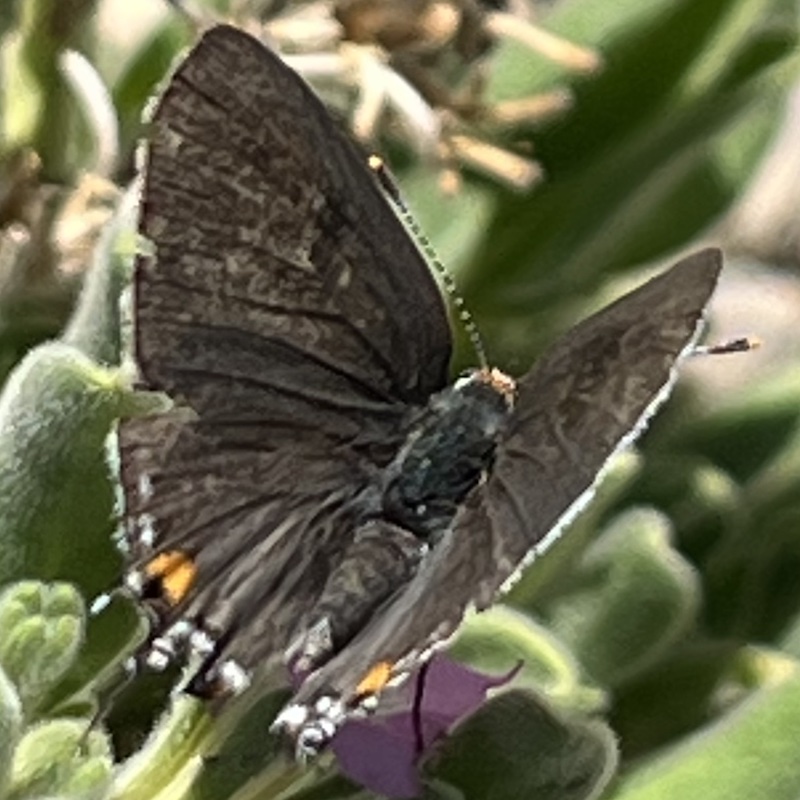
Family Lycaenidae: Gossamer-winged Butterflies
Total Lycaenidae species observed: 2
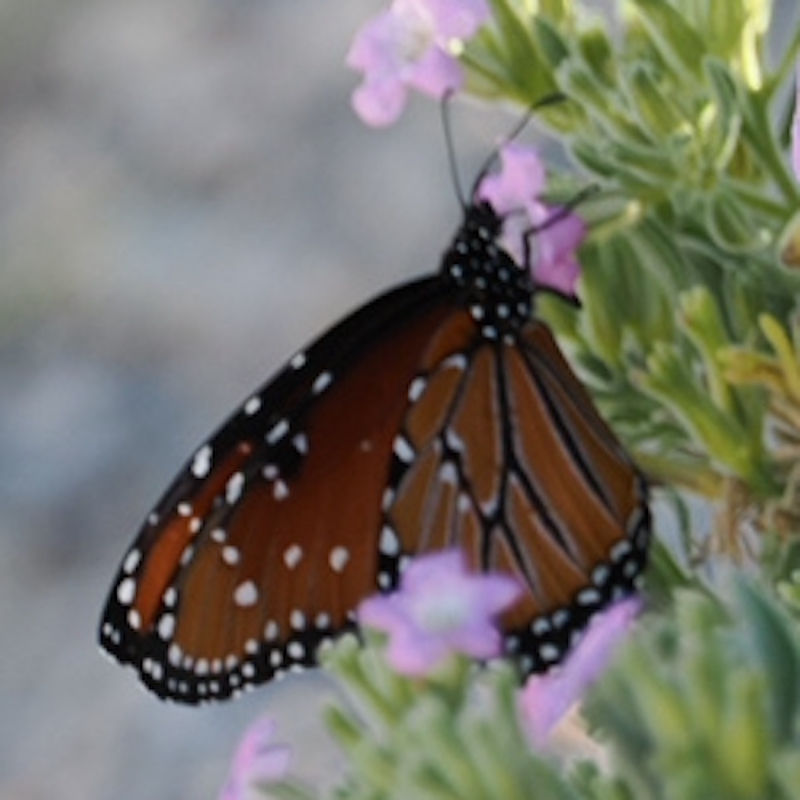
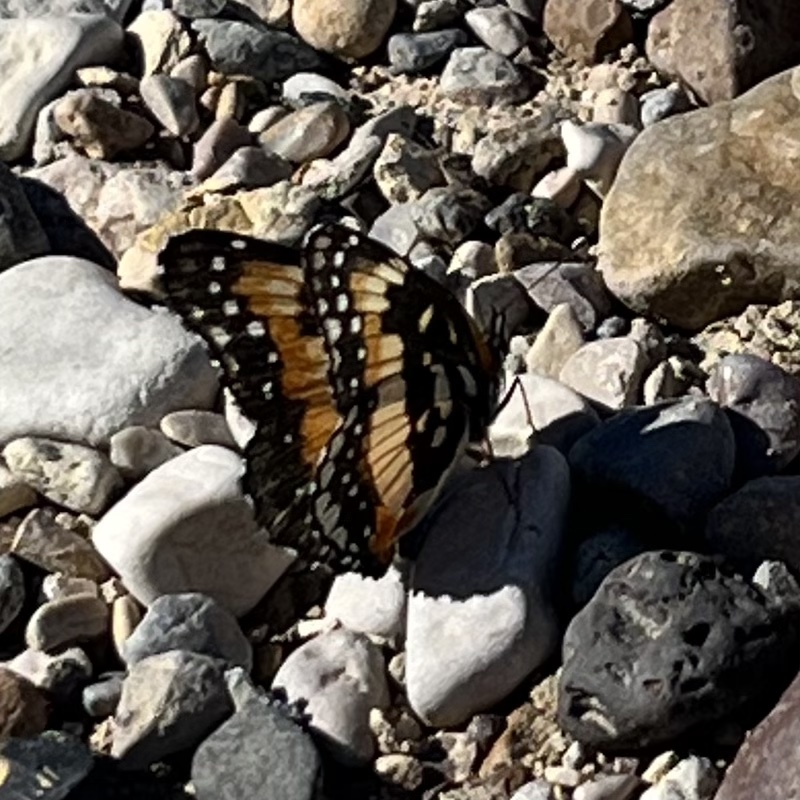
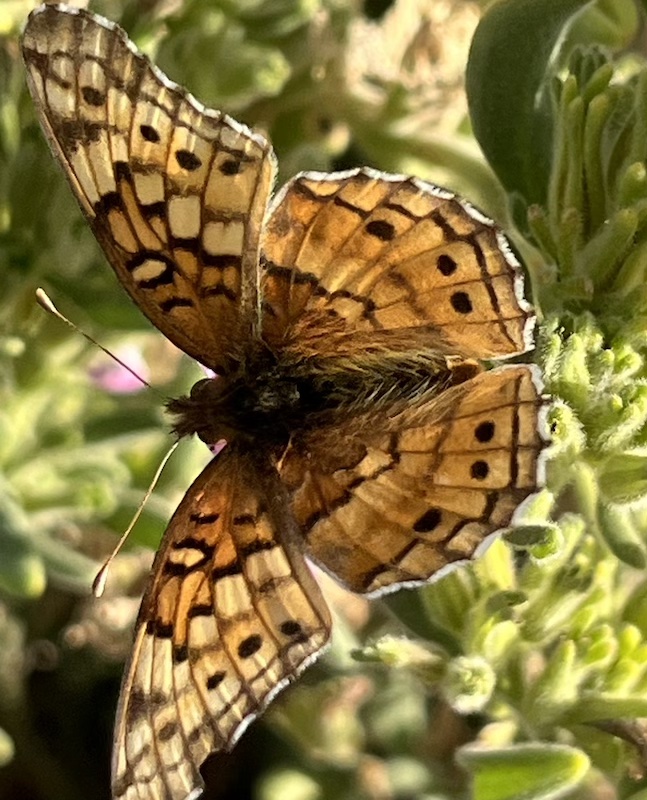
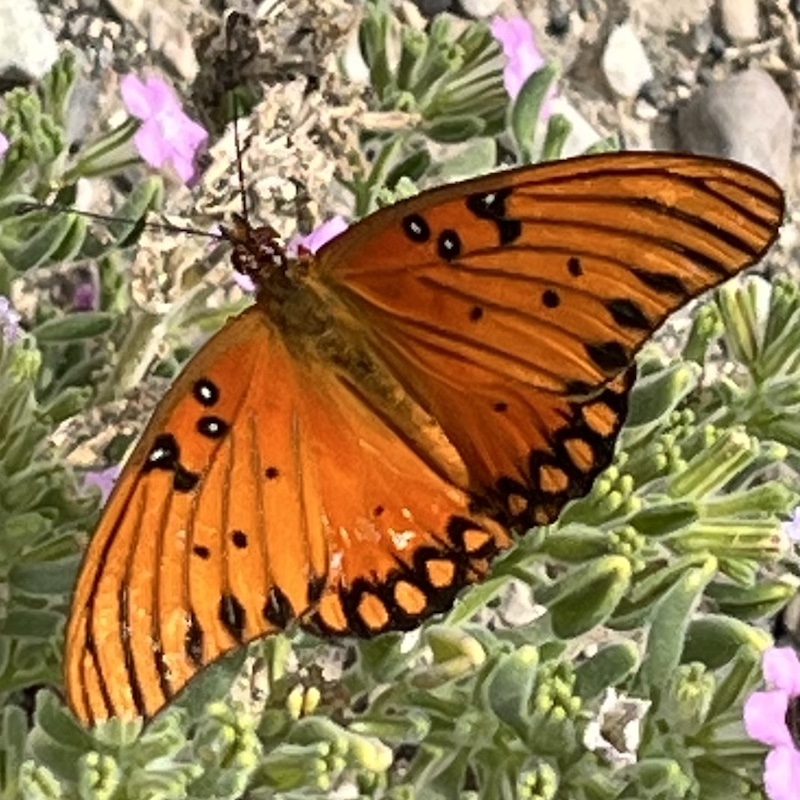
Family Nymphalidae: Brush-footed Butterflies
Total Nymphalidae species observed: 6

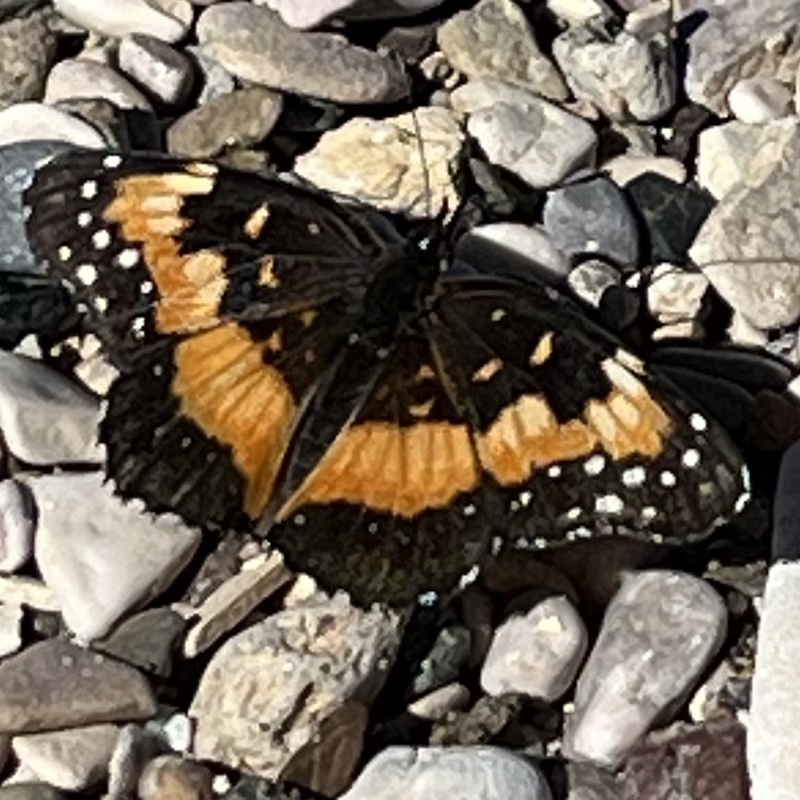
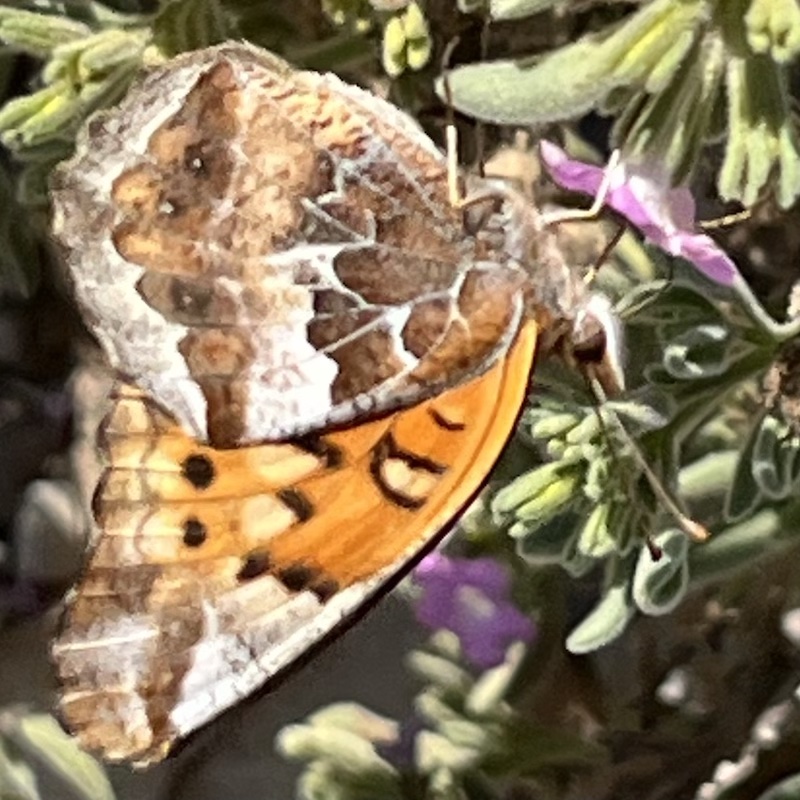
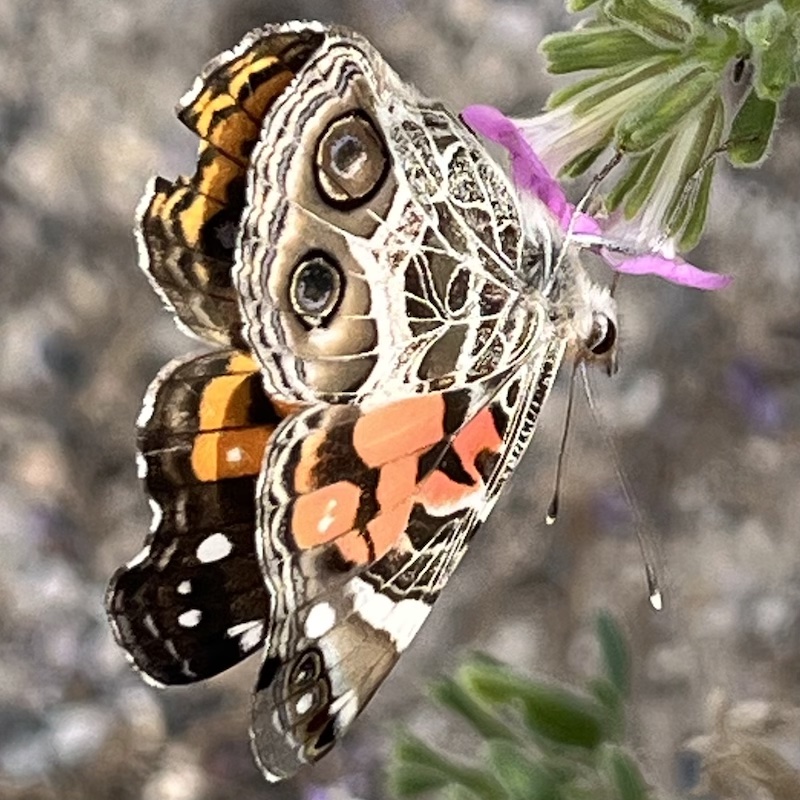
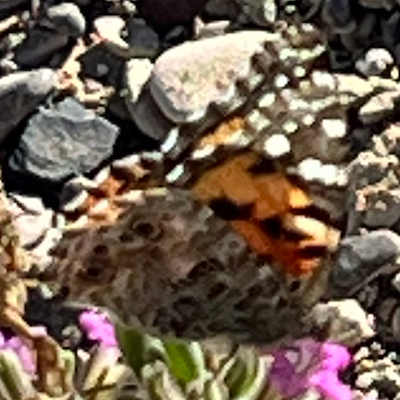
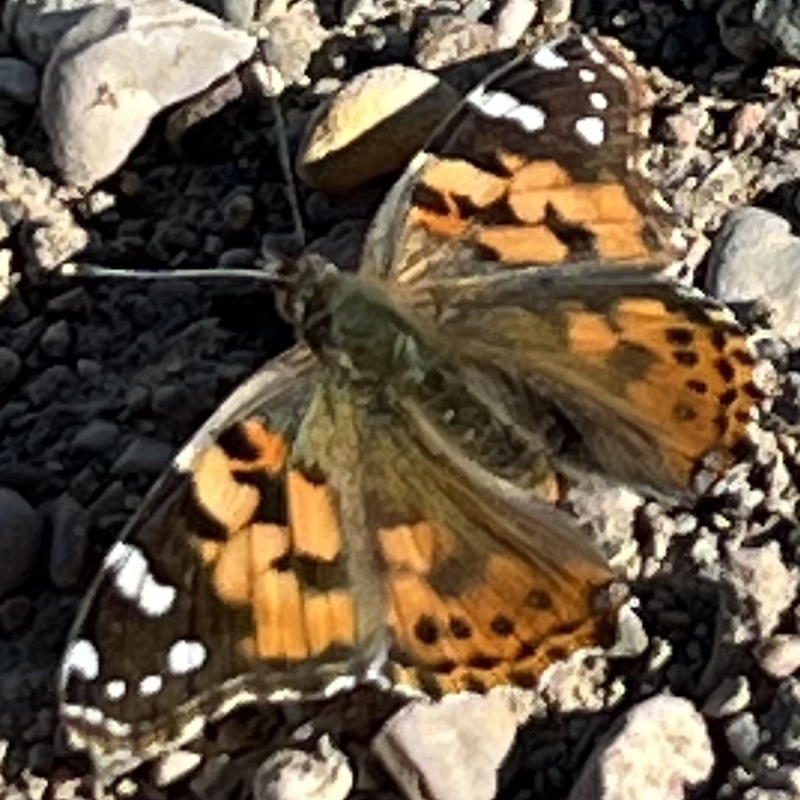

Family Papilionidae: Swallowtails and Parnassians
Total Papilionidae species observed: 1


Family Pieridae: Whites, Yellows, and Sulphurs
Total Pieridae species observed: 5
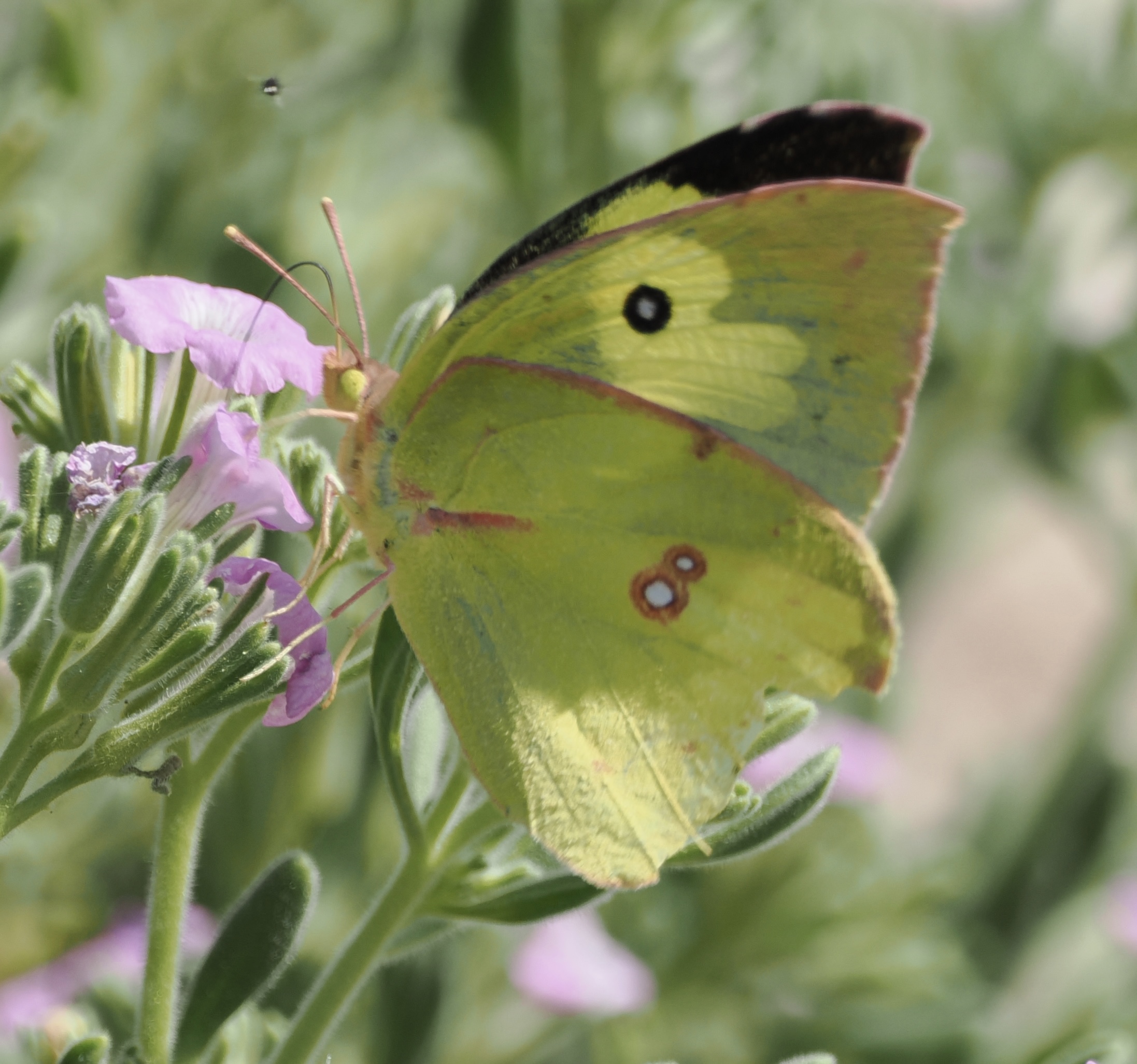
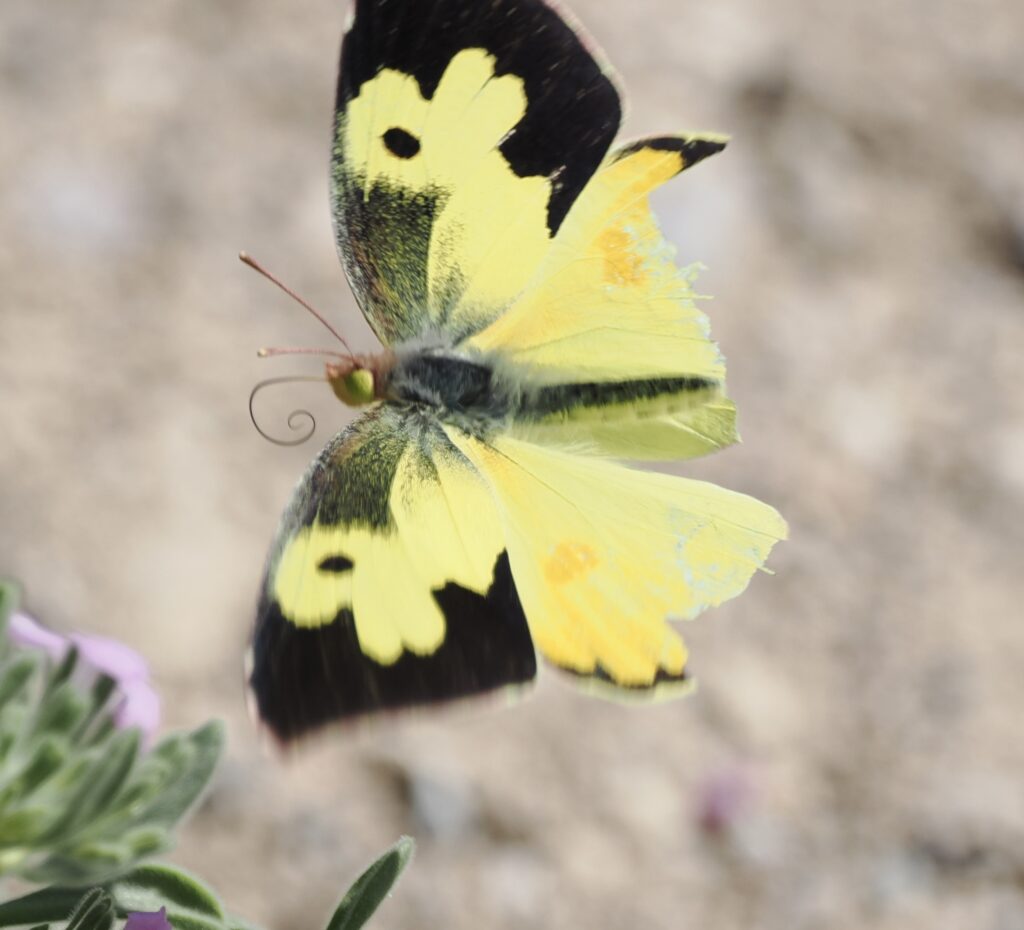

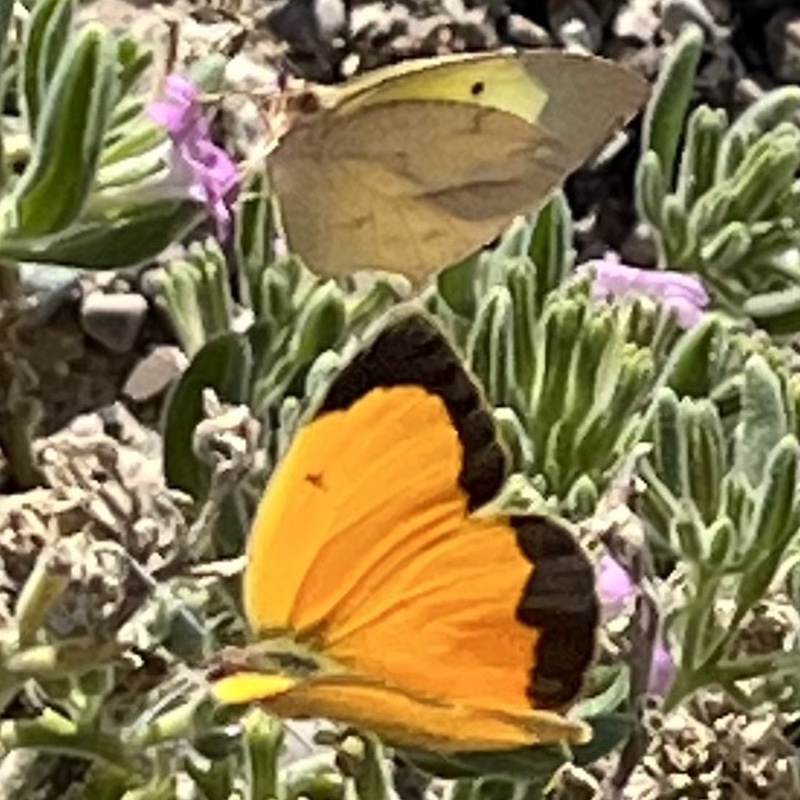
Sleepy Orange (bottom)

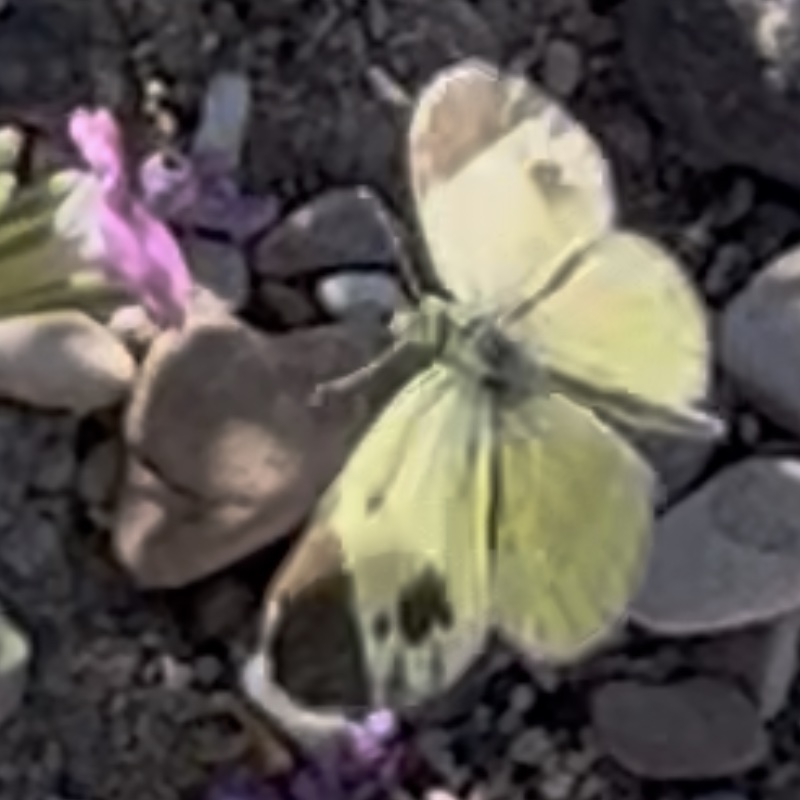
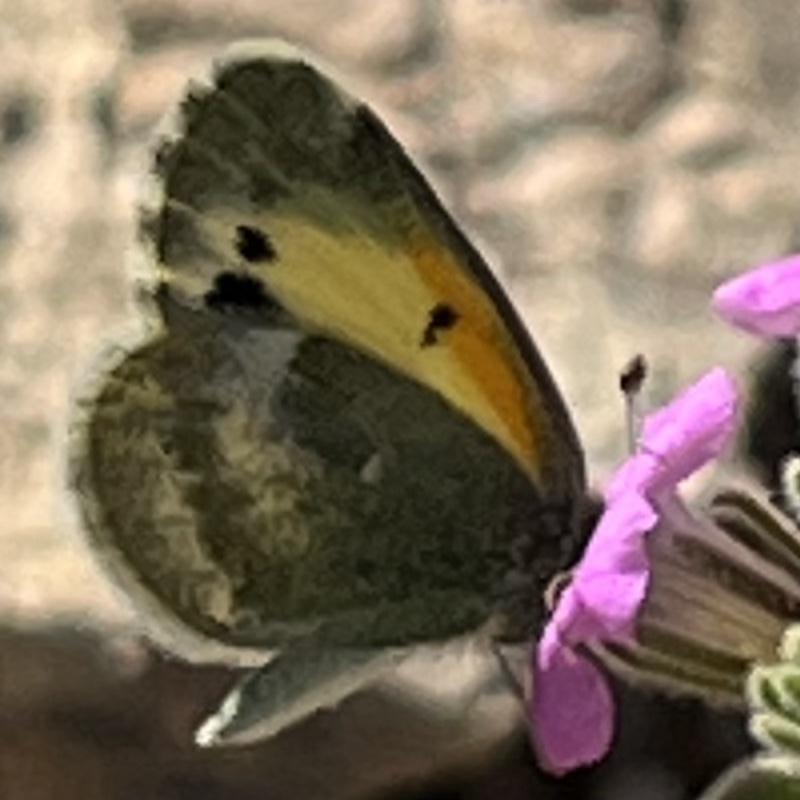
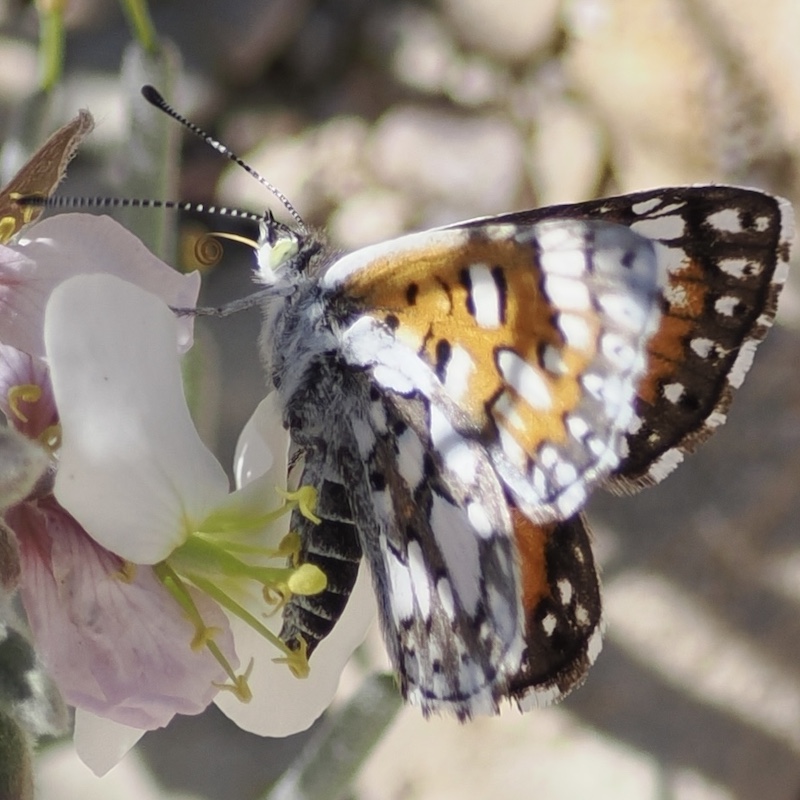
Family Riodinidae: Metalmark Butterflies
Total Riodinidae species observed: 1

Moths
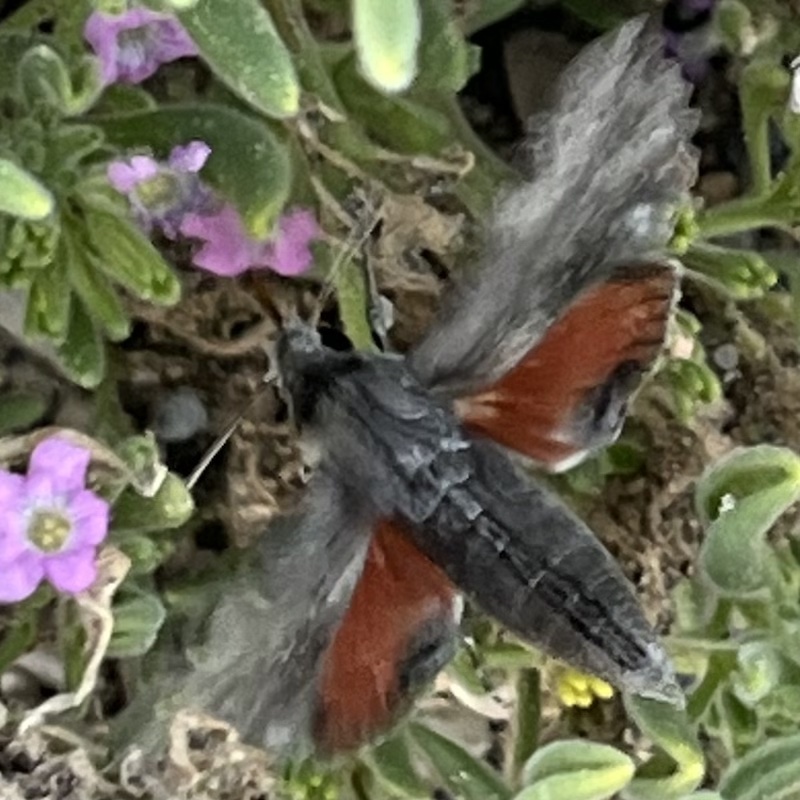
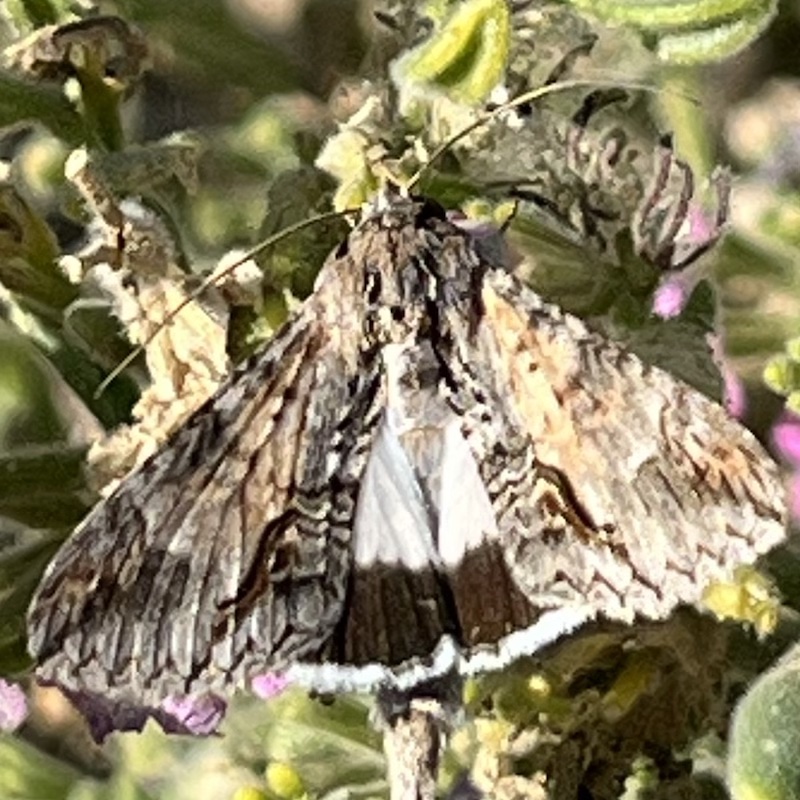
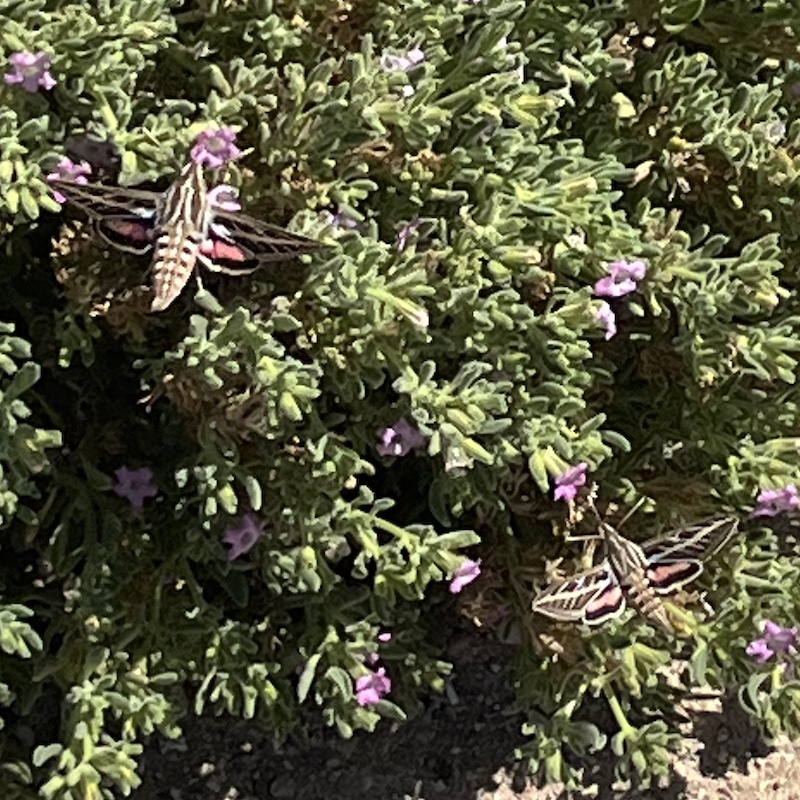
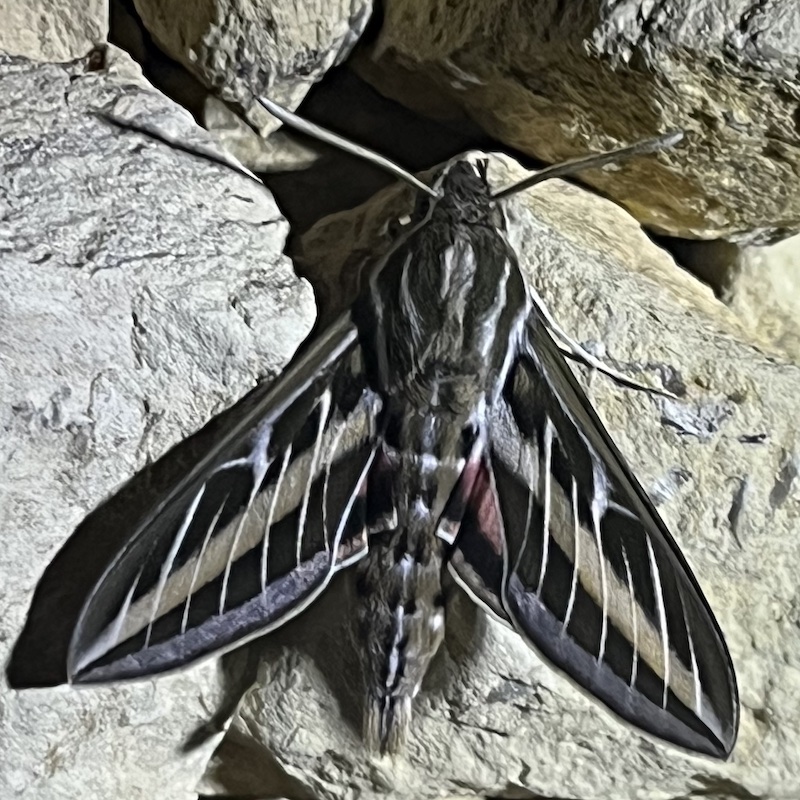
Moths are more difficult for me to identify; they don’t have the bold colors most butterflies have, they often only appear at dusk, the patterns are difficult to capture in a photo. BUT we do have moths here. The Sphinx (Obscure and White-lined) are like little hummingbirds (or flying slugs according to our friend Eric), they are big and their wings beat very fast.


Class/Order table with details
| Class | Order | Common Name | # Observed |
|---|---|---|---|
| Aves | Birds | 8 | |
| Mammalia | Ungulates | Sheep, Donkey | 2 |
| Mammalia | Carnivores | 1+? | |
| Mammalia | Rodentia | Rodents | 1 |
| Arachnida | Spiders | 3 | |
| Arachnida | Scorpions | 1 | |
| Reptilia | Lizards | 3 | |
| Amphibia | Toads | 1 | |
| Insecta | Coleoptera | Beetles | 3 |
| Insecta | Hemiptera | Bugs | 4 |
| Insecta | Hymenoptera | Ants | 1+ |
| Insecta | Hymenoptera | Wasp | 1+ |
| Insecta | Hymenoptera | Bees | 11+ |
| Insecta | Diptera | Flies | 7+ |
| Insecta | Orthoptera | Grasshoppers | 4 |
| Insecta | Orthoptera | Katydids | 1 |
| Insecta | Orthoptera | Crickets | 1 |
| Insecta | Lepidoptera | moths | 4+ |
| Insecta | Lepidoptera | butterflies | 24 |
Butterfly table (Class: Insecta > Order Lepidoptera > Superfamily Papilionoidea)
| Family | Common Name | # Species Observed | # Species Possible |
|---|---|---|---|
| Hesperiidae | Skippers | 9 | 125 |
| Lycaenidae | Gossamer-winged Butterflies | 2 | 49 |
| Nymphalidae | Brush-footed Butterflies | 6 | 88 |
| Papilionidae | Swallowtails | 1 | 17 |
| Pieridae | Whites and Sulphurs | 5 | 33 |
| Riodinidae | Metalmark Butterflies | 1 | 14 |
According to various lists (mostly prior iNaturalist observations) there are around 367 species of butterflies we could see in the Big Bend region, specifically around our property. In December that number goes down to about 78 but still I think 24 different species is pretty good seeing as we really only have one flowering plant!
I’ve been using phone apps to identify these creatures – iNaturalist for plants and most animals and Merlin for birds. The only unfortunate part of those apps is they require evidence, either a photo or sound. That can be quite tricky, especially if you’re on a hike with someone else who doesn’t want to stop every five steps for you to take an identifying photo… So I’ve been working on a project to help identify the most common species that might be encountered in any given location. I’m using the iNaturalist API and I’m starting with butterflies (narrowed from all animals). Not sure where this will go, but I think it’ll be a good educational tool.