
When we were looking at traveling through Mississippi, there were several places we wanted to visit but we didn’t want to travel every weekend. We decided it made the most sense to camp in the middle of the state (well, North/South middle) and picked a spot to use as our jumping off point for travels throughout the state. I didn’t know much about the history of this state before this trip and learned a lot during our stay here. This post is going to highlight some of the history I learned.
Vicksburg was a major port on the Mississippi river in the 1800s. Mississippi was also the home of Confederate President Jefferson Davis who said “Vicksburg was the “nailhead that holds the South’s two halves together.” President Abraham Lincoln remarked “Vicksburg is the key” to victory, and could be the north’s lifeline into the south.” The Vicksburg National Military Park showcases the battleground on the land side (the river was the other side) and you can drive the Confederate and Union trench lines to see how the armies faced off against one another. On July 4, 1863, the Confederate Army surrendered to General Grant, ending the 18 month campaign for Vicksburg. Also in this park is the USS Cairo (built in January 1862) which was a typical gunship used during this period. On December 12, 1862 it sunk in the Yazoo river seven miles north of Vicksburg.
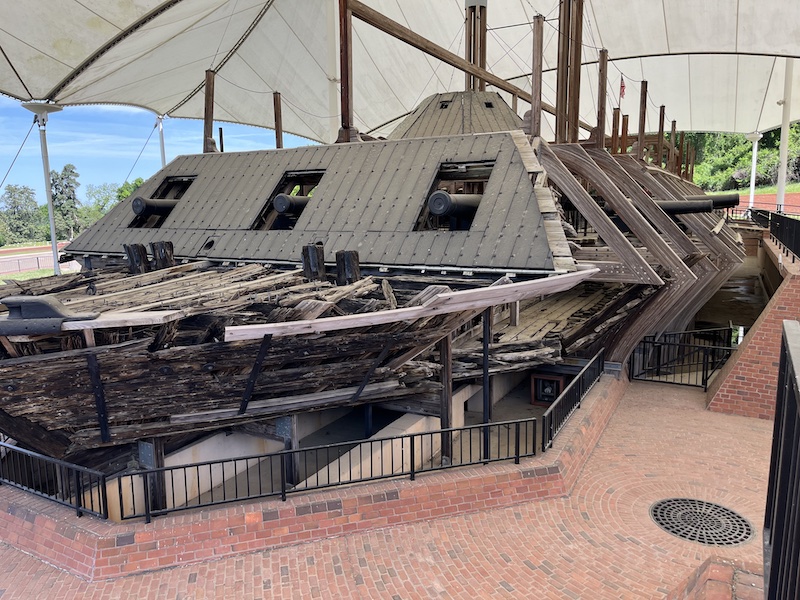
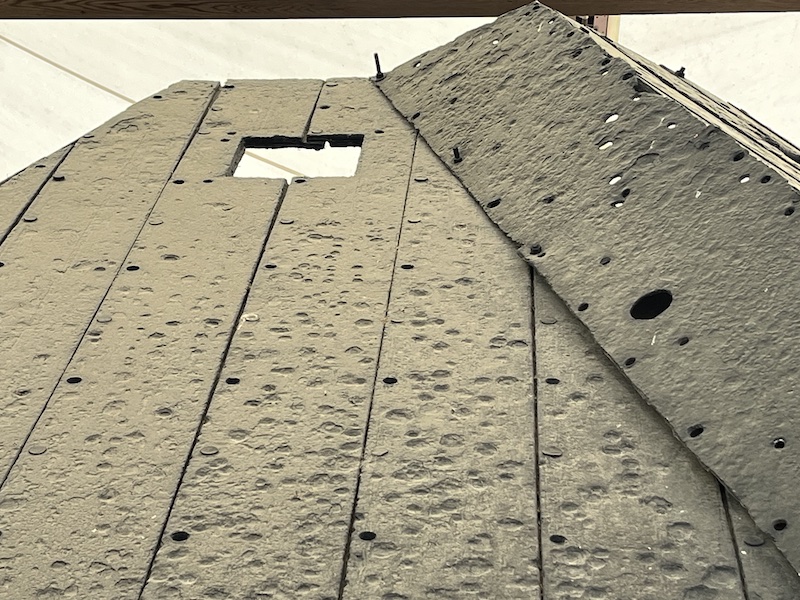
Some sections of the sides of the ship were plated with railroad ties.
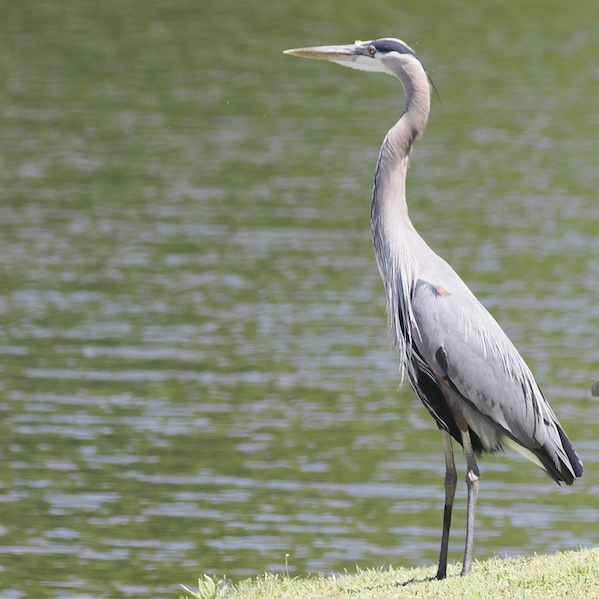
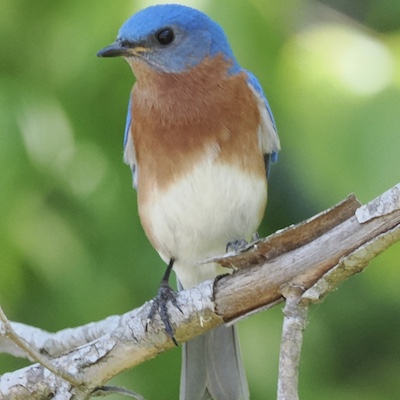
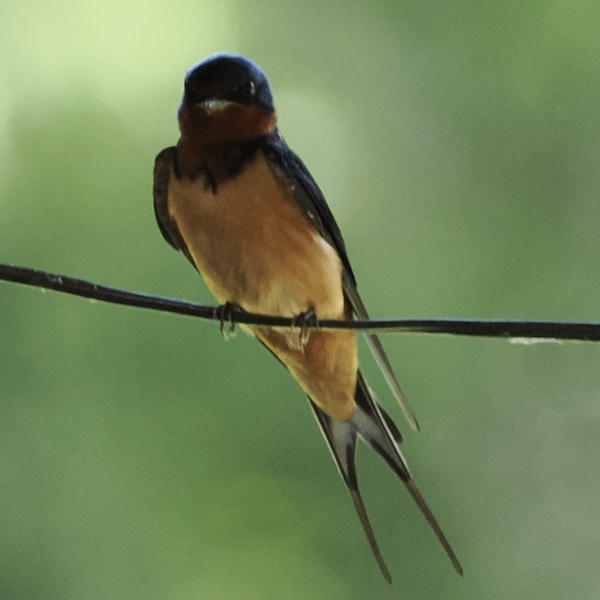
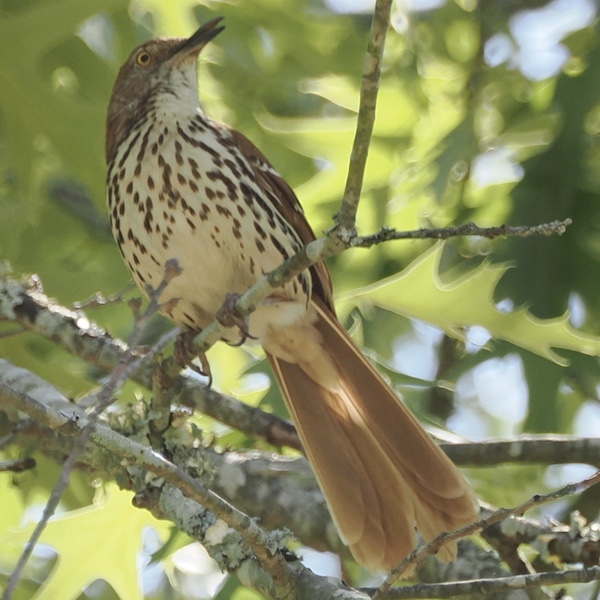
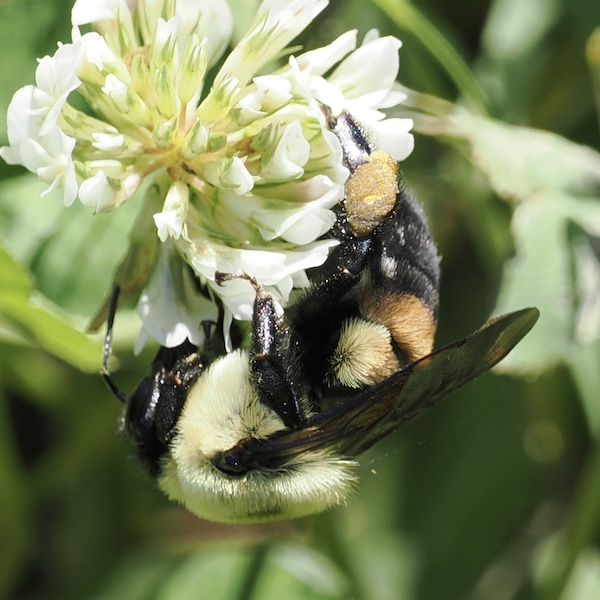
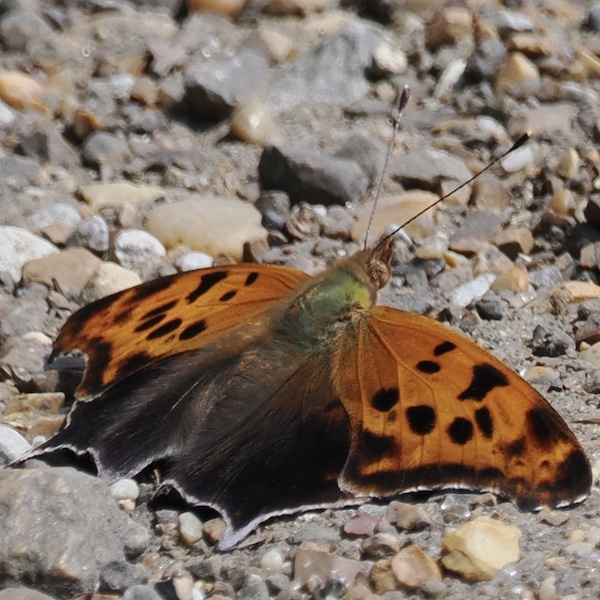
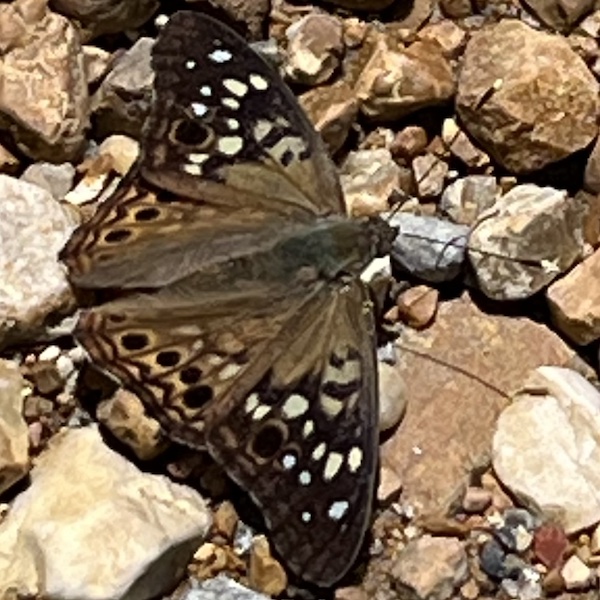
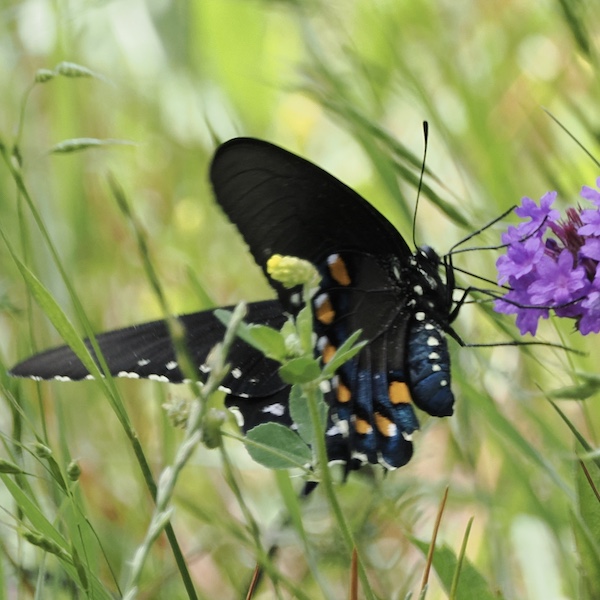
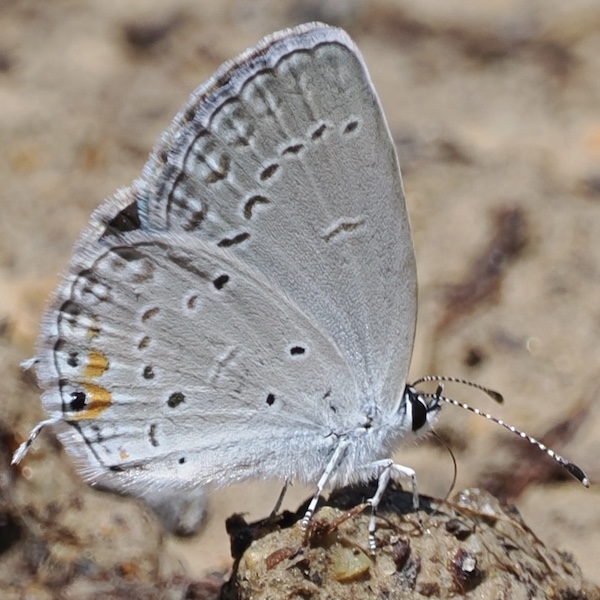
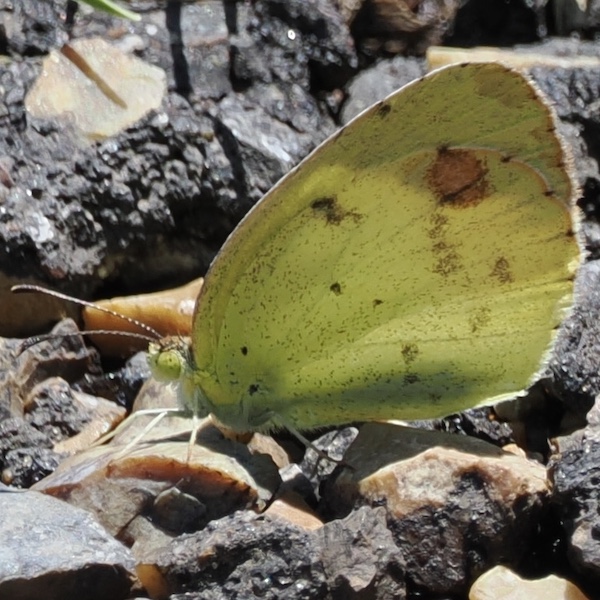
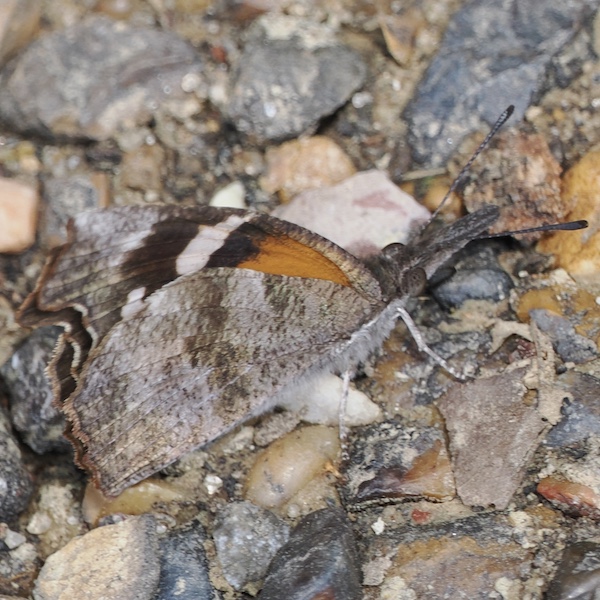
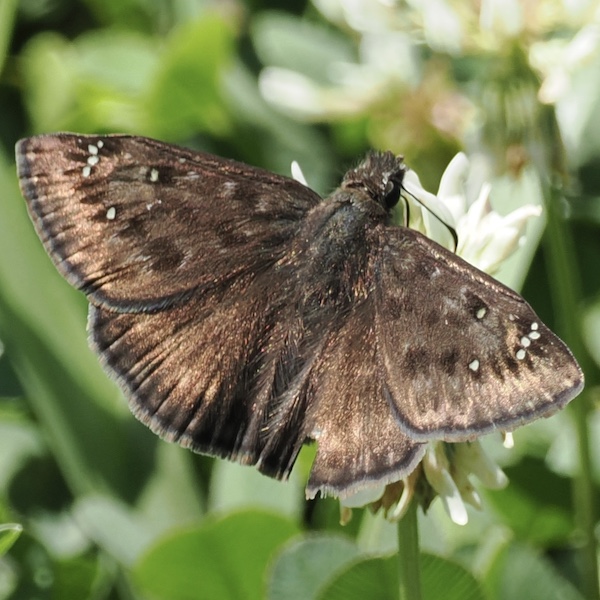
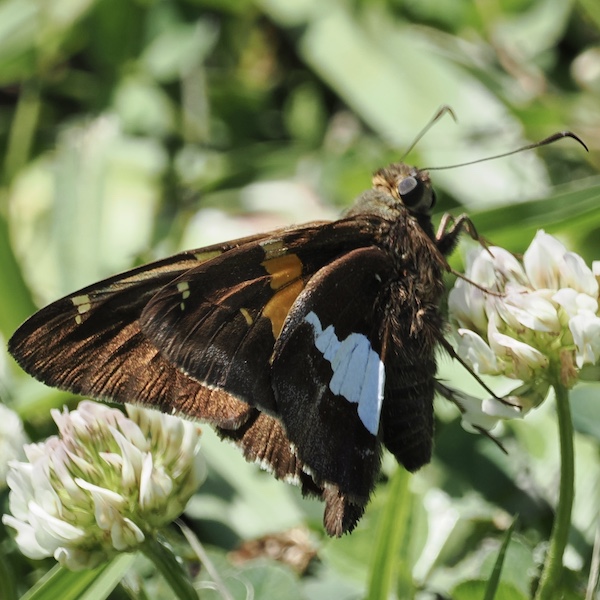
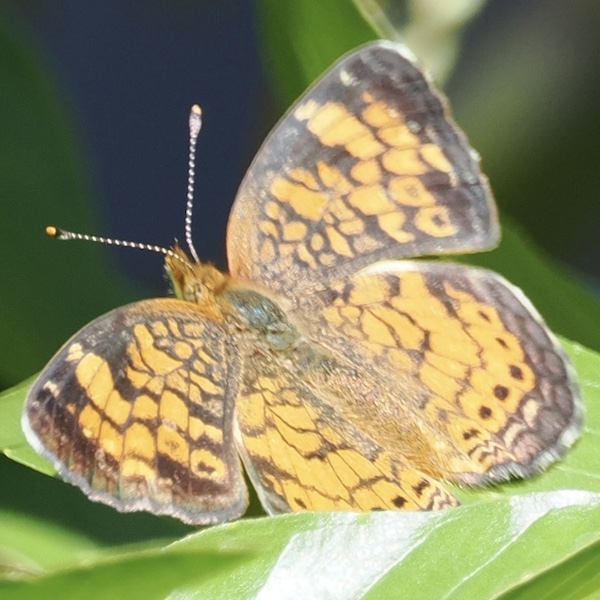
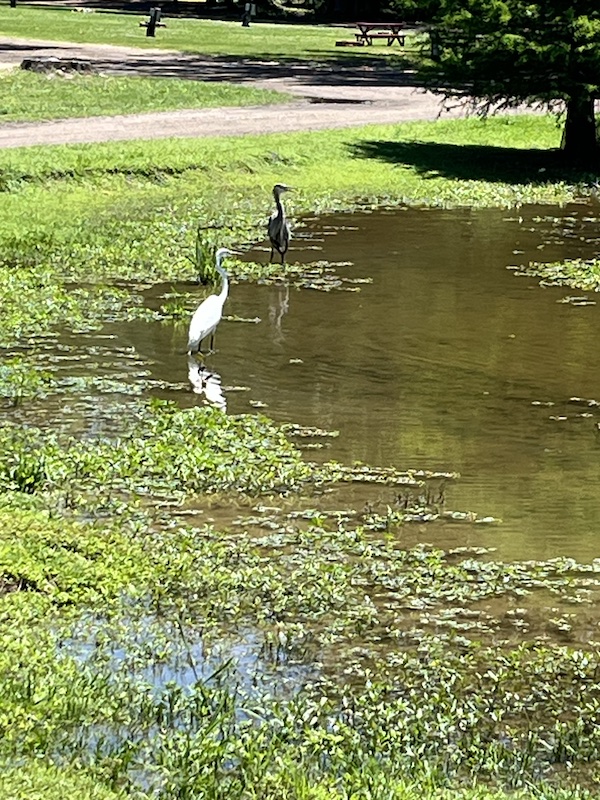
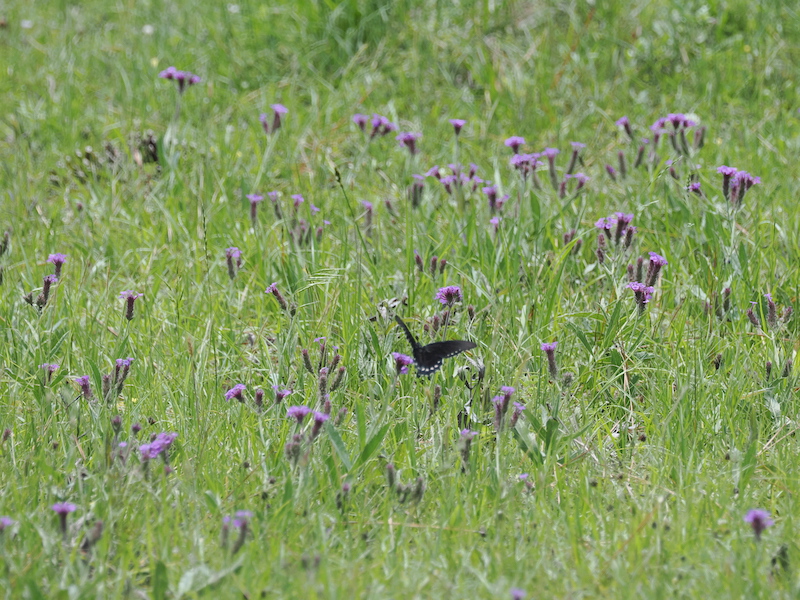
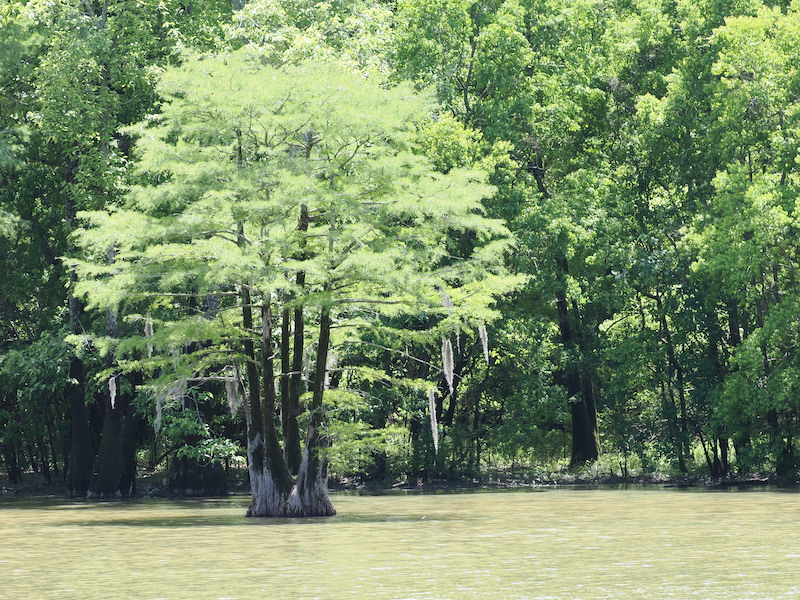
We stayed at an RV park called Askew’s Landing, which used to be an old cotton farm in the 1800s and a Civil War Battleground (as were many areas in this particular region). It was at the end of a road and had a pretty large lake in which they allowed fishing. It also had a ton of wildlife and we went out everyday to walk and enjoy the land. The land was lush and green and full of creatures.
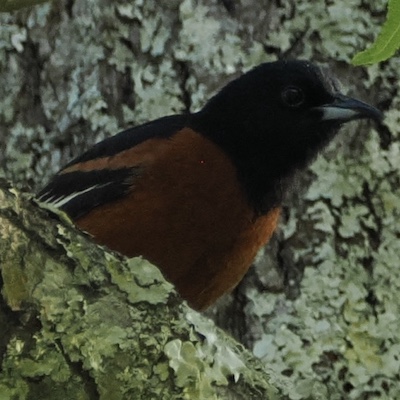
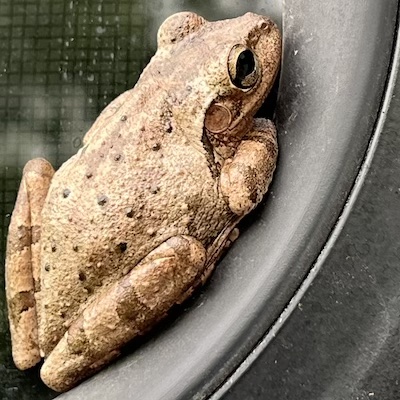
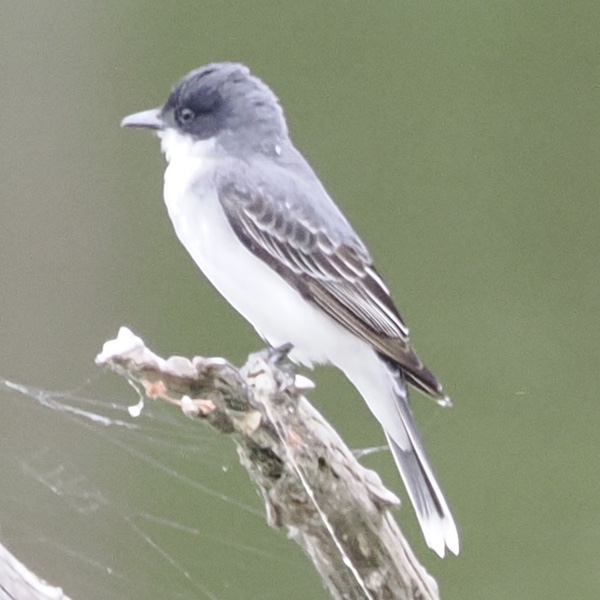
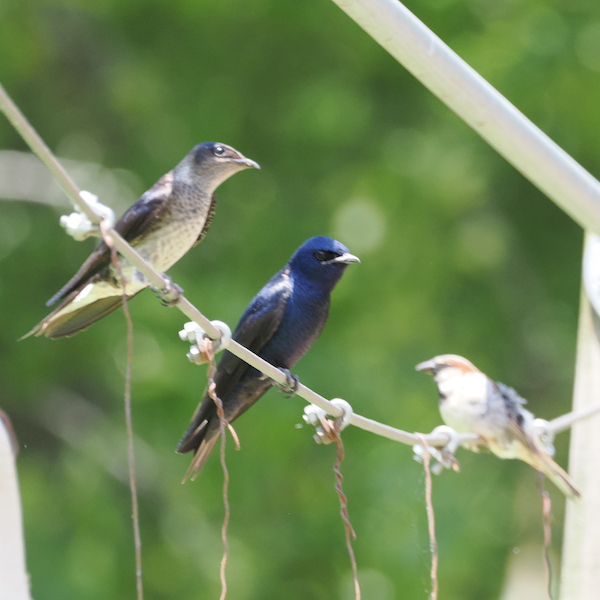



It was also very rainy. We had multiple extreme weather warnings, some for heavy thunderstorms with rain, wind, and hail, and a couple for tornadoes. At least twice we were on high alert and packed a go-bag in case we had to leave the fifth-wheel because a tornado was headed our way. It was the most stressful weather we have encountered over an extended period of time. I mean the microburst hail event at Devils Tower was only 30 minutes with a ton of cleanup. This was dangerous weather warnings across multiple weeks leading to a lot of worry about weather.
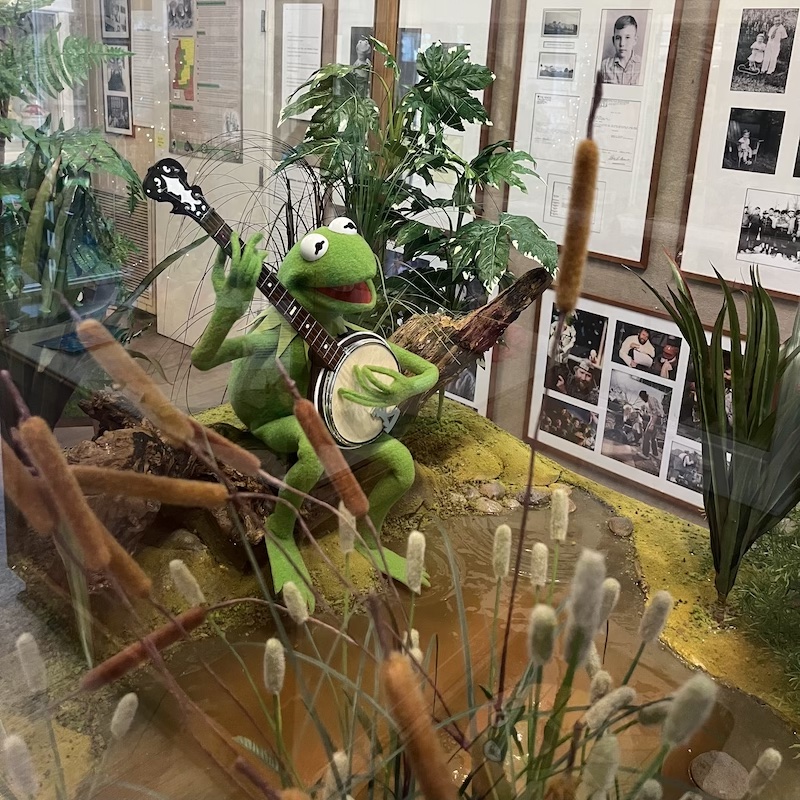
We planned to stay in Vicksburg for three weeks while taking side trips to explore other parts of the state. During the middle weekend we explored the northern half of the state. We went on a trip up through the Blues Trail, stayed overnight in Clarksdale, went over to Ole’ Miss then came down through Jackson. On the way up to Clarksdale we stopped at the Sky Lake Boardwalk in Belzoni. Online it said this was a boardwalk through a swampy, marshy land. Unfortunately it was closed because the wooden walkway had rotted. Next was a stop in Leland where Jim Henson grew up. There was a little shop/museum devoted to him, filled with photos and curios from family and fans.
There were two blues museums we stopped at, the Delta Blues Museum and the BB King Museum. The Delta Blues covered many different artists from various eras and was a smorgasboard of information. The exhibits featured musicians and was vaguely organized by era. In my opinion it was quite overwhelming because it wasn’t organized in a way that helped me understand how everything fit together. The BB King museum, on the other hand, I would highly recommend. It was organized as a walk through BB King’s life, starting from his childhood and moving through his whole career. It had audio and video snippets along with written descriptions and photographs. While it centered on BB King himself, it covered a lot of the other people and places involved and told the story of the growth and development of the blues better (in my opinion) than the Delta Blues museum.
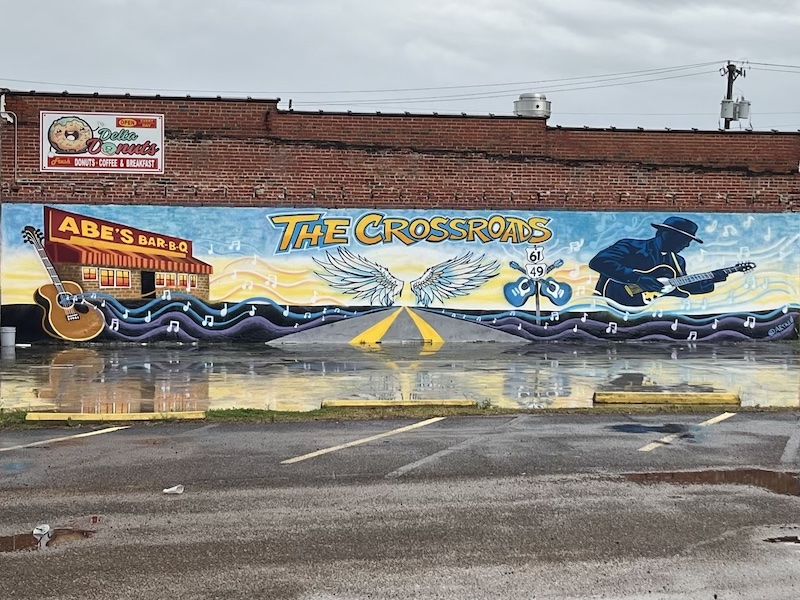
There were a couple of other food/venues that we stopped at but none we’d visit again. We also drove through The Devil’s Crossroads, where Robert Johnson supposedly sold his soul to the Devil to become a famous blues player.
Once we got to Clarksdale, we stopped by two different music venues, Ground Zero Blues Club and Red’s, a tiny little juke joint that has been in operation since the early 1900s, hosting traveling blues artists. Ground Zero offered food and drinks in addition to the music so we stopped there first for dinner. The place was pretty packed, with probably around 100 people or more at the tables and standing around. The jazz band was four members and had a set that featured a lot of saxophone and guitar solos. We left there and stopped by Red’s later in the evening. Red’s was completely different. It was a small narrow venue with one musician, one bartender, and about ten people sitting around when we walked in. The musician welcomed us in and asked us our names, where we were from, and what we drove, putting us on the spot in front of the rest of the group that was already settled in. It was awkward and then we felt obligated to stay through a few songs. The guy playing liked to involve the audience and later invited up three women to shake tambourines and sing with him. Very different venues with very different experiences.
The next day we drove over to Oxford, the home of Ole’ Miss, Mississippi’s “flagship public research university founded in 1884.” We drove through the campus and found a starkly different world than the places we had previously driven through. It felt very Gone With the Wind in the current era: white country club lawyers and southern belles. It was a pretty stark contrast between the rural areas we’d driven through that were run down and falling apart with the clean polished people, landscaping, vehicles, and housing in Oxford.
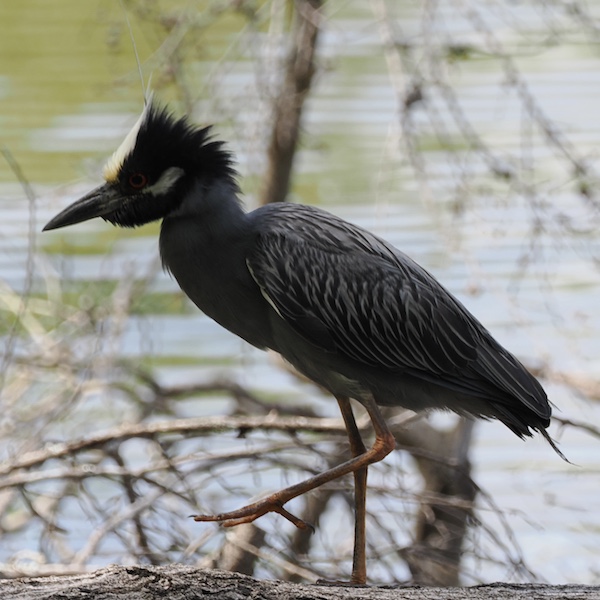
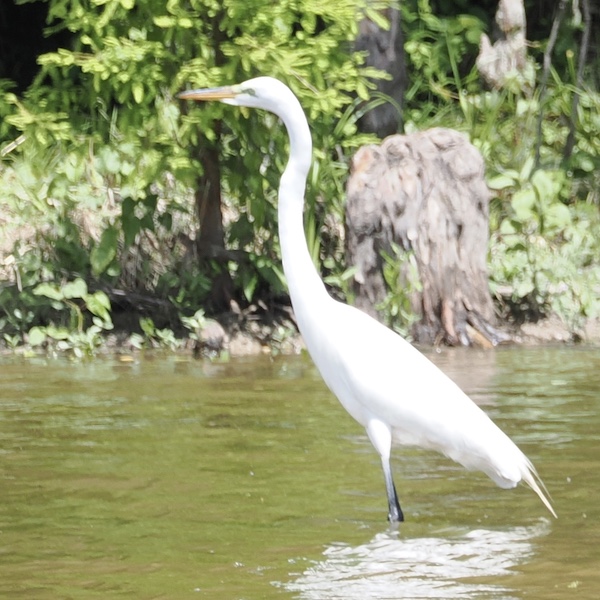
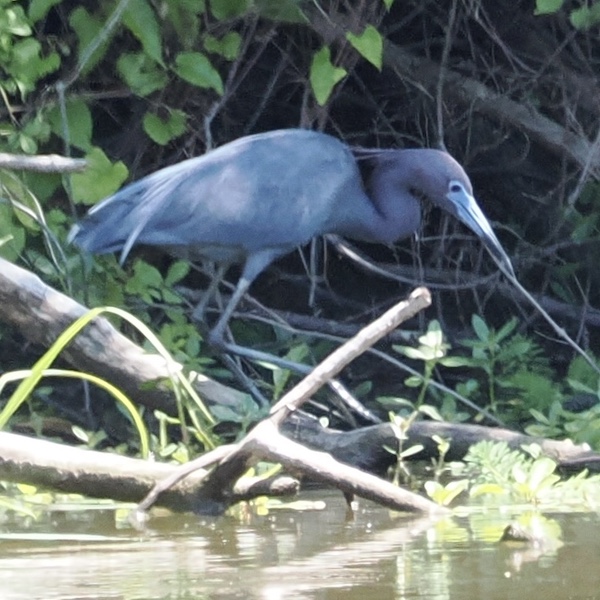
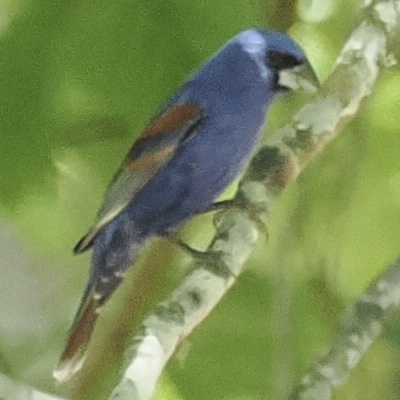
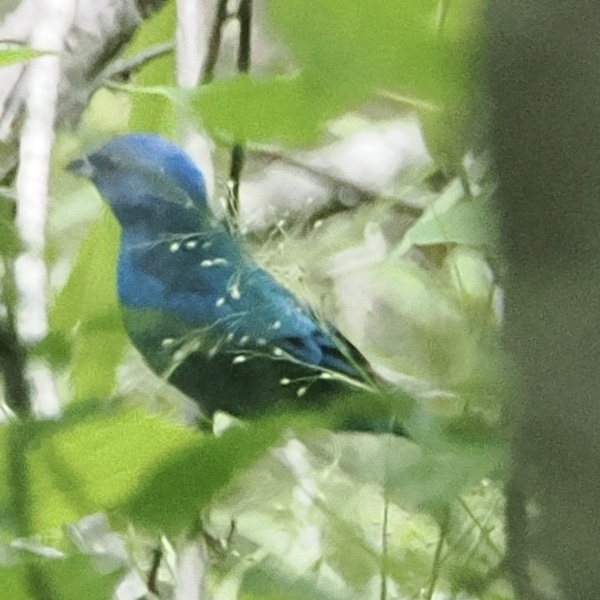
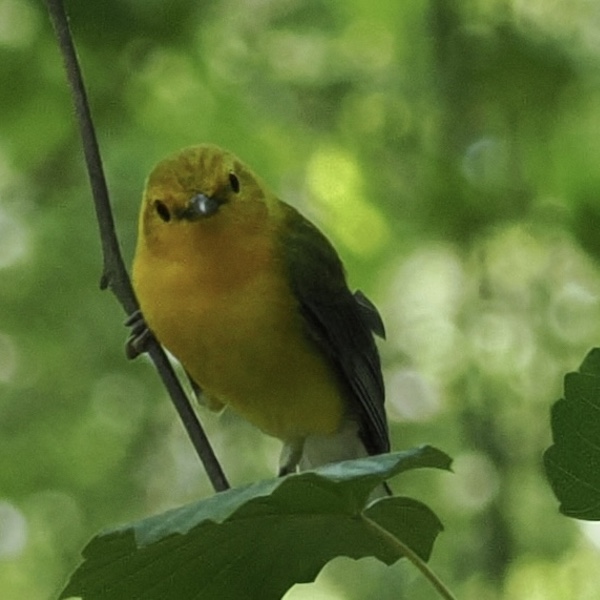
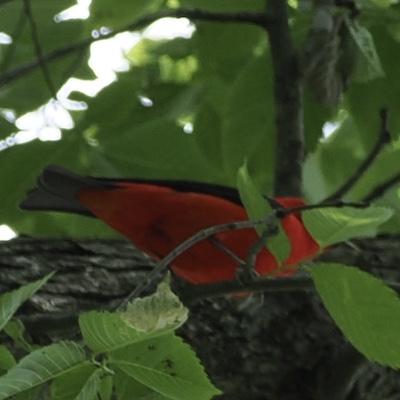
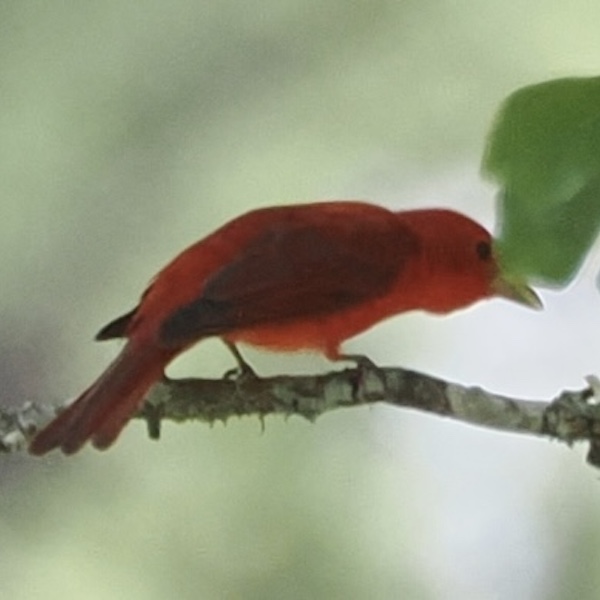
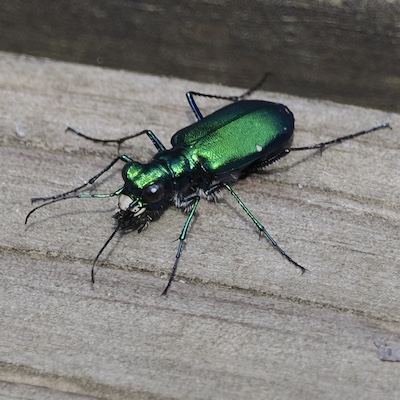
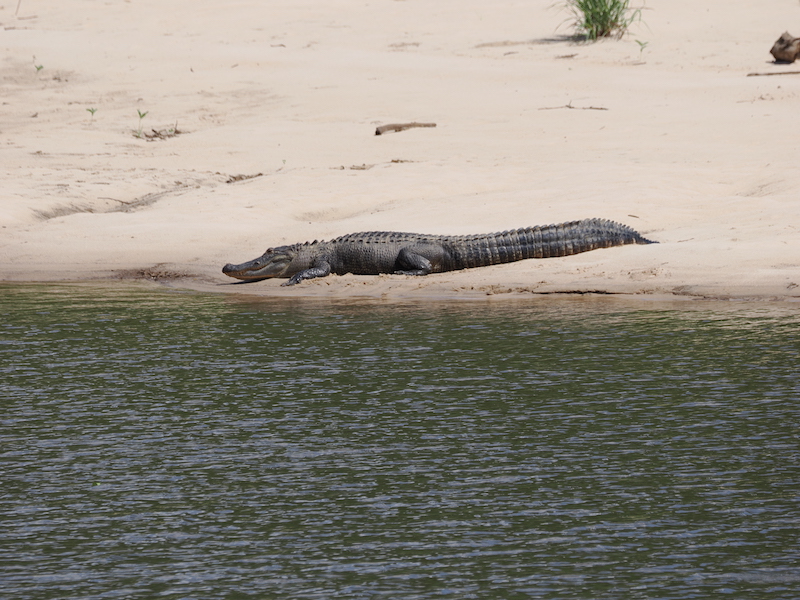
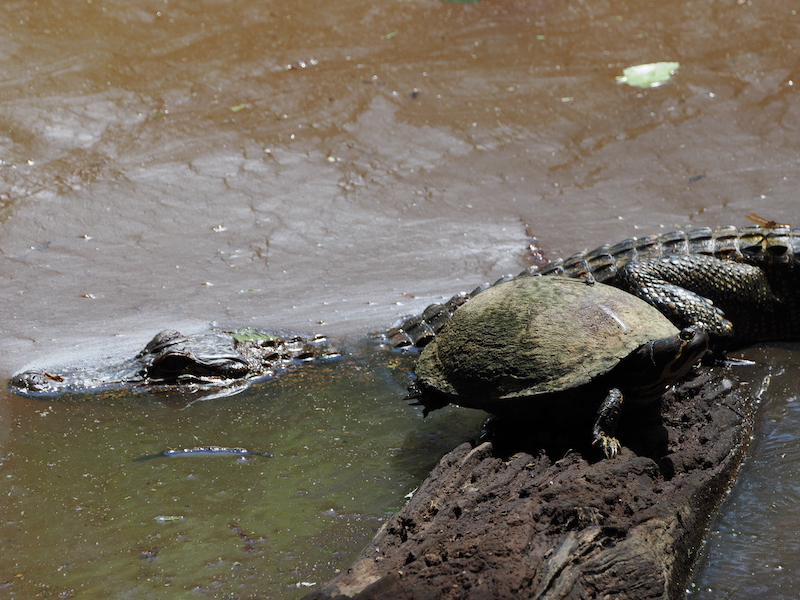
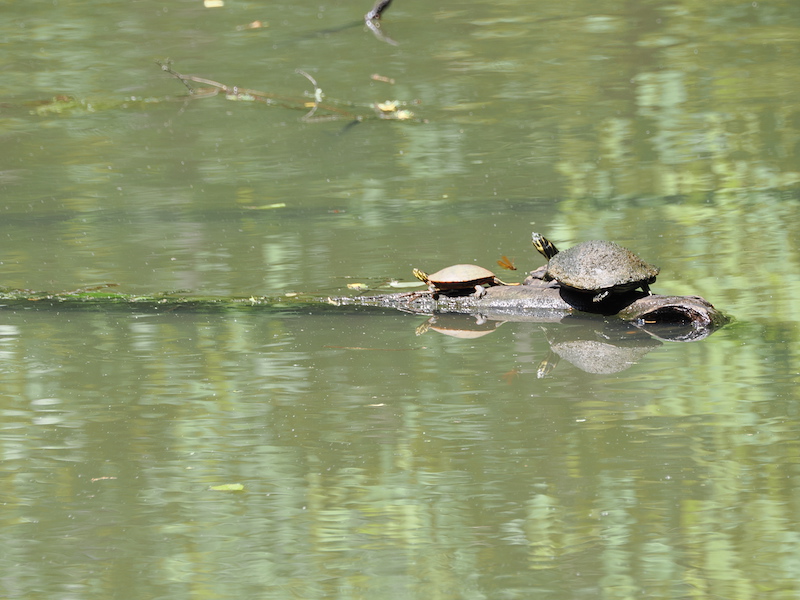
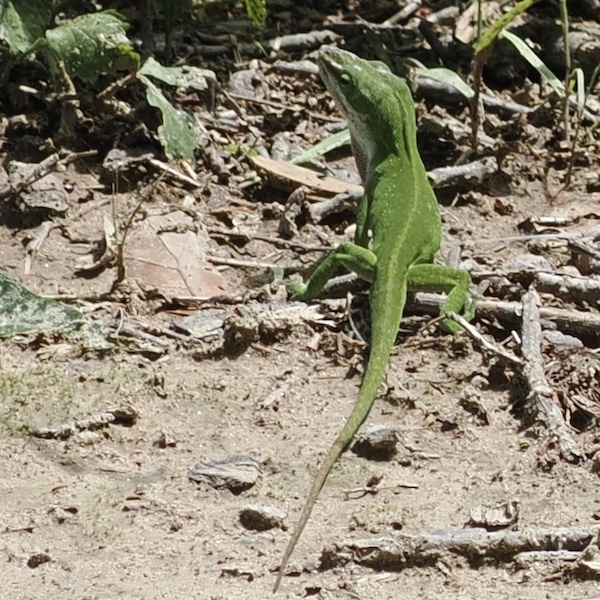
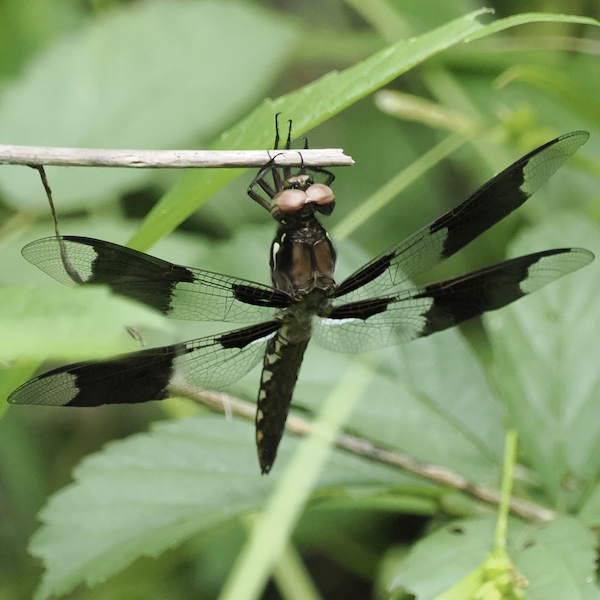
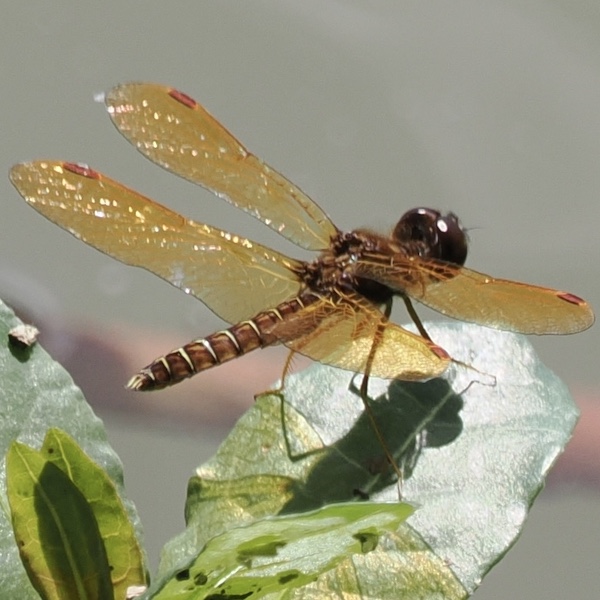
After Oxford, we drove down to Jackson and stopped two places. First, LeFleur’s Bluff State park, an unexpected delight right outside of the big city of Jackson. There were so many different birds, turtles, dragonflies and other bugs, and we saw our first alligators.
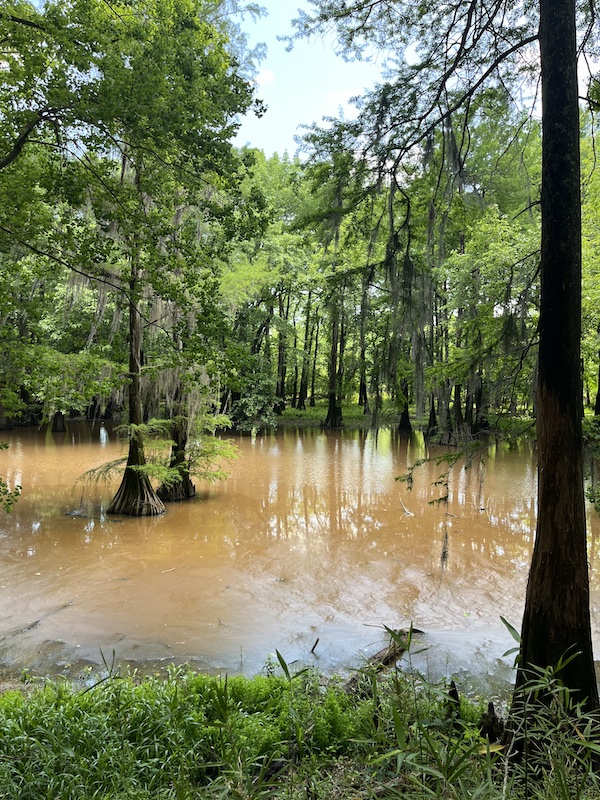
Second we visited and highly recommend the Mississippi Civil Rights Museum in Jackson. The museum itself had three sections, the Mississippi Civil Rights section, Mississippi History museum, and an exhibit called Mississippi Made, showcasing industry. We spent most of our time in the Civil Rights exhibit which was divided into 8 sections in a circular/wedge format. We arrived at 4pm, an hour before it closed and only made it through four sections so decided to return the next day to see more.
I’m going to highlight three things that struck me the most. First, the Yazoo-Mississippi Delta region lies between the Yazoo and Mississippi rivers. Prior to the civil war, this region was swampy and seasonally flooded. By 1938, the Delta region grew more than 40% of America’s cotton. Former slaves made up most of the population but only 2.4% of land owners were Black farmers. From what we saw driving through the region, there were still a lot of fields but they were growing corn or looked empty.
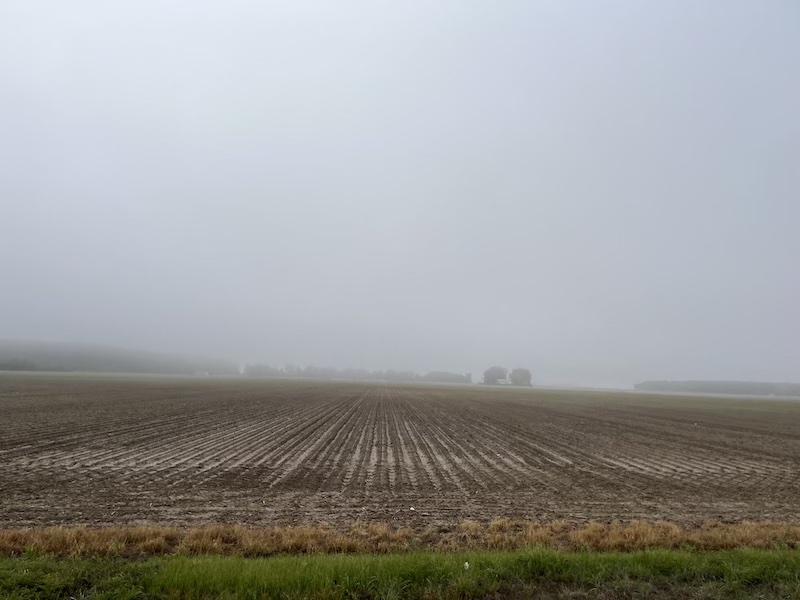
Second, the Mississippi Constitution of 1890 Section 207 provided that separate schools be maintained for “children of the white and colored races.” This section was repealed effective December 22, 1978. Throughout that whole time funding and resources were not equal. The photos of contrasting schools / classrooms for Black and White students were poignant.
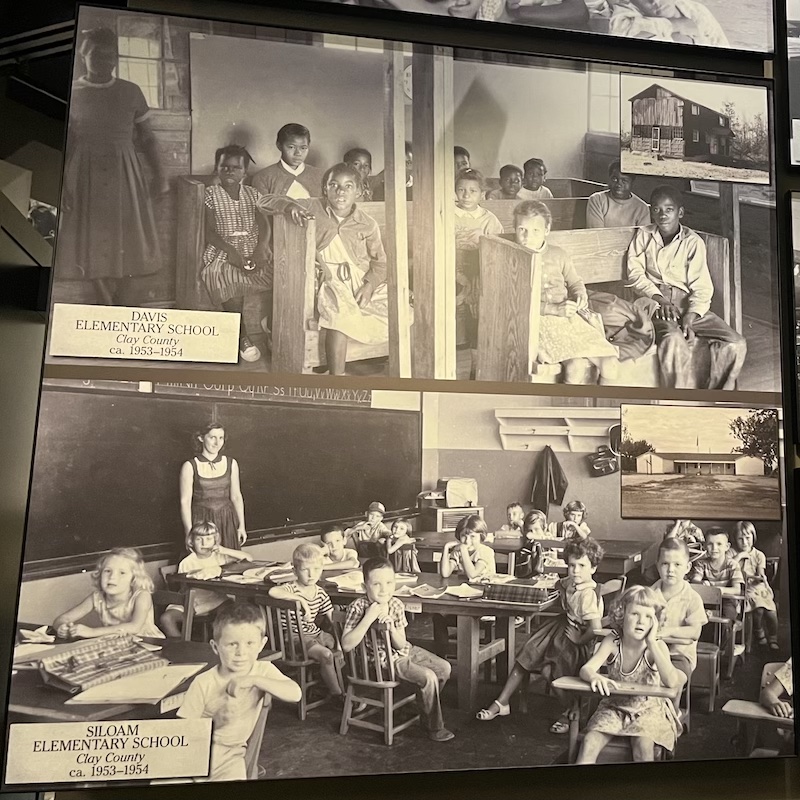
In that photo the top pictures show the inside and outside (top right corner) of Davis elementary which looks like a schoolhouse from 1900 not 1950. Siloam elementary looks more like what I think of as a 1950s classroom, showing the contrast of these separate and not equal classrooms. It surprised me to learn that despite the civil rights movement in the 1960s, these conditions persisted until around 1980. And even after that law was repealed, catching up takes time.
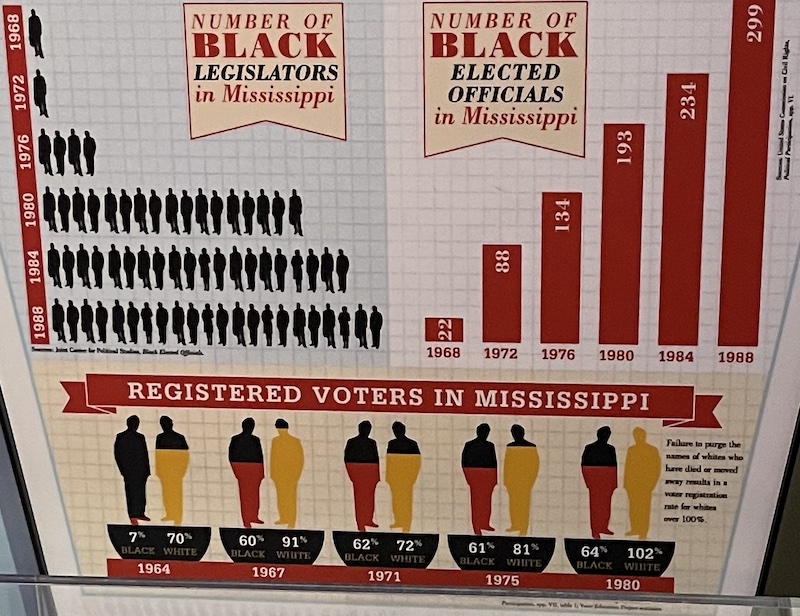
Third, the people in power in this region were White men who did not want to give up their power and influence. After the Civil War many Black men were elected into politics, moving towards equal representation and reflecting the population demographics. Then the Mississippi Constitution of 1890 was passed. It included a section that required voters to pass a test that included copying this section of the constitution and then summarizing it in their own words. This test was only given to Black folks looking to register to vote and 90% of the time they failed to pass it. The regulators administering this test didn’t need to give evidence or prove pass/fail scores and were given freedom to administer the test at their will, clearly a tool used to block certain people from gaining voting rights. The federal Voting Rights Act of 1965 removed these voting restrictions, but until then (and even later), there were very different realities for Black and White citizens growing up in this region.
As part of our self-education in the regions we are visiting we’ve started watching movies or documentaries or youtube videos about the history or food or people of the region. Here we watched Mudbound (2017), a movie about two young men who grew up on neighboring farms in the Mississippi Delta, enlisted during WWII, then returned to their home farms to try to reintegrate into the racist culture that pervaded the region.
The last place we visited in MS was Natchez. This was a port along the Mississippi river and was a huge trading hub in the 1800s, specifically for slaves as well as for the cotton and sugar cane grown in the region. White plantation owners built mansions; many of them survived the Civil War and are tourist attractions today. We visited two. The first was The Longwood, an octogonal house built in 1860-61. Construction stopped during the Civil War and the inside was never finished.
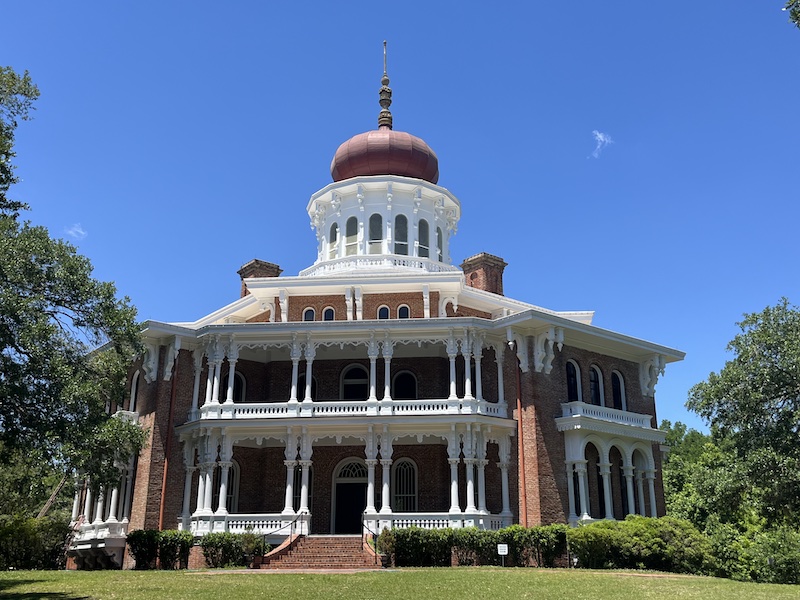
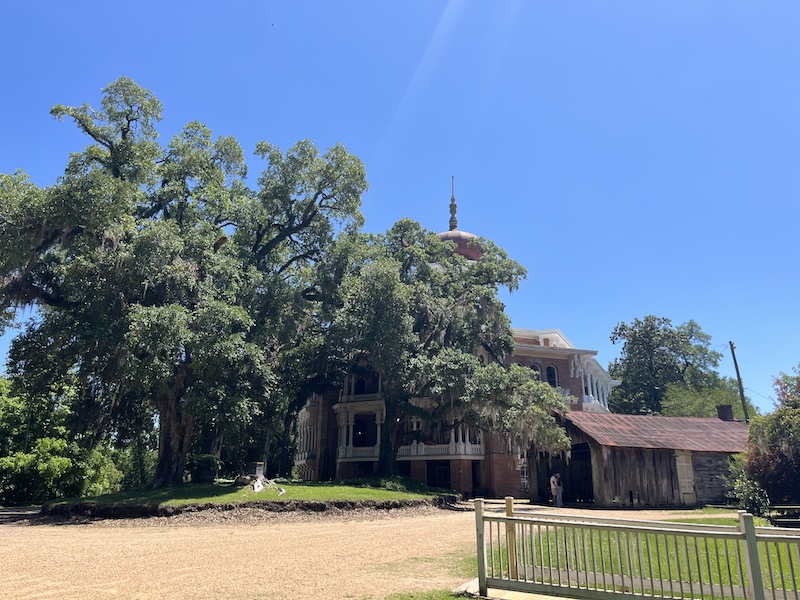
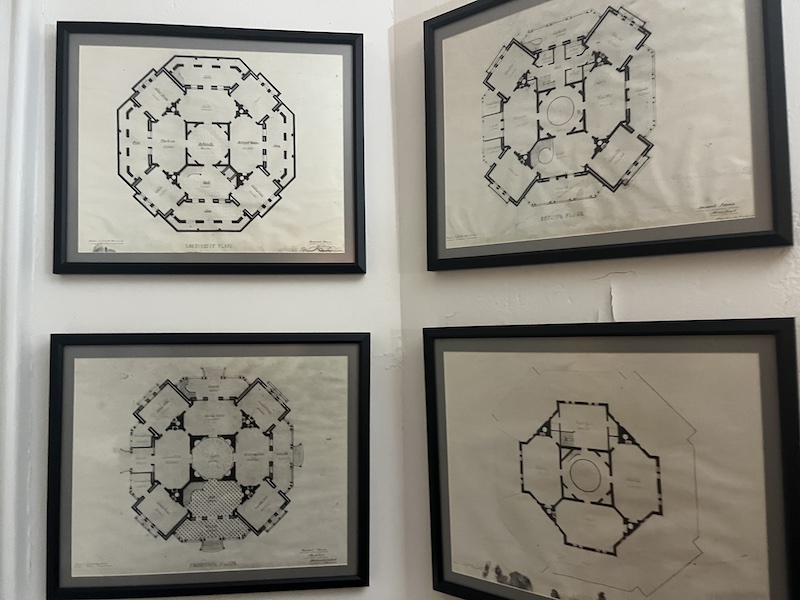
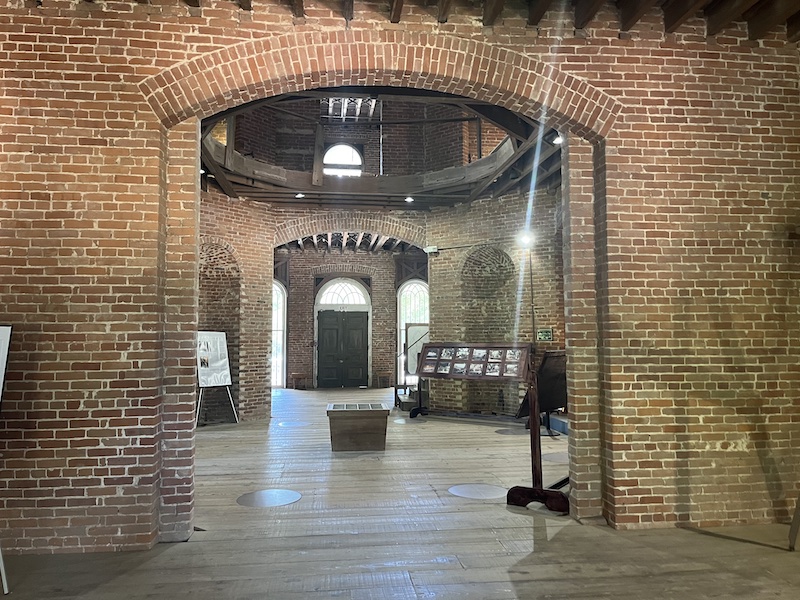
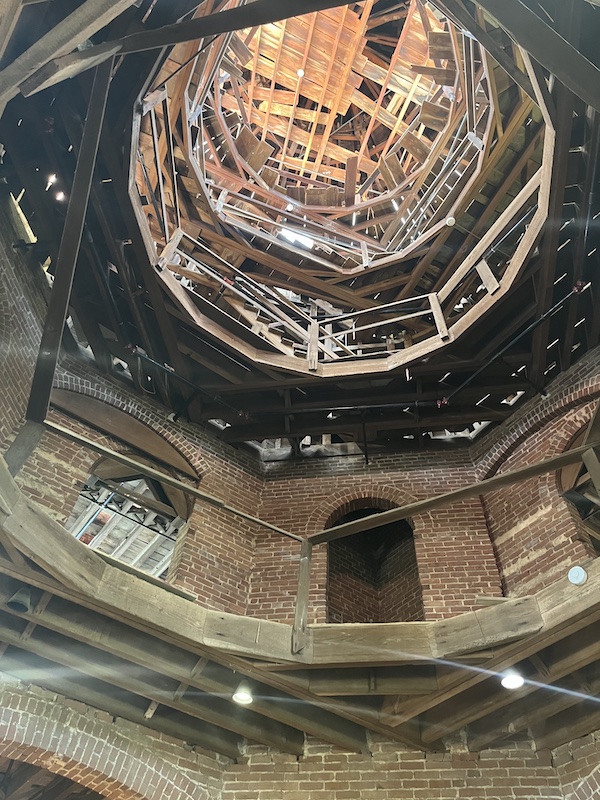
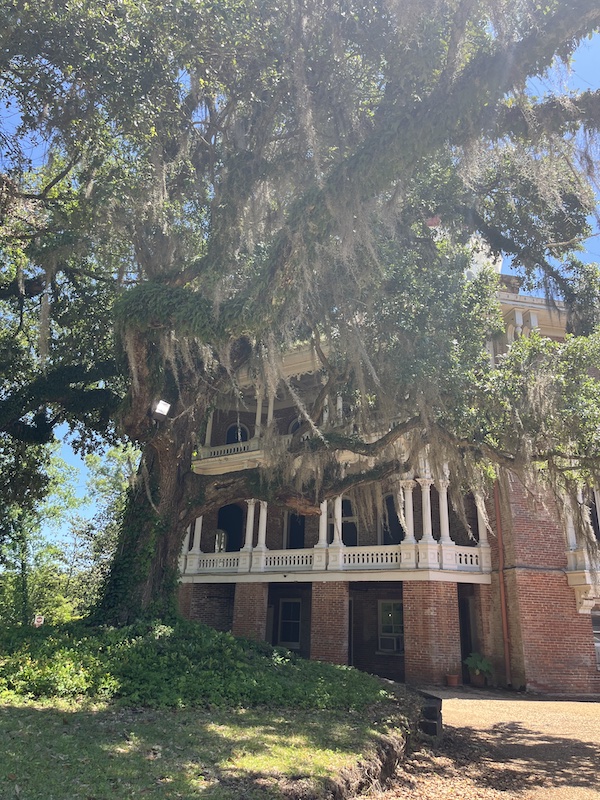
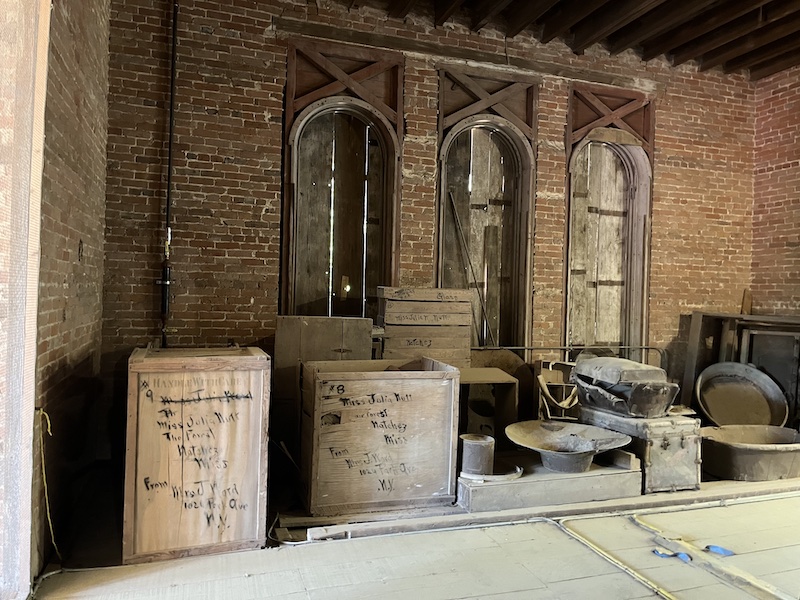
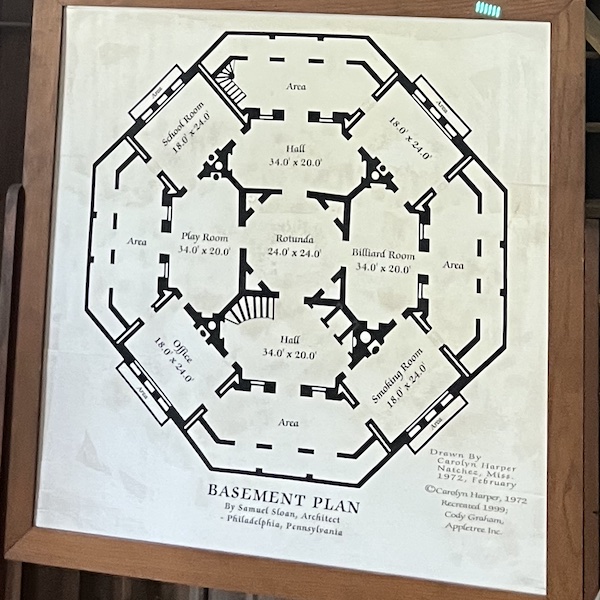
The architectural floorplans were really interesting, the first two floors had four main rooms along the outside separated by longer rooms, then four inner rooms and a center room connecting them all. The ground floor (the basement) was the only finished floor and originally intended for entertainment but since the rest of the house was unfinished, the family lived in this space. The tour we took included a trip up to the second floor which had mostly finished floors but unfinished windows, doors, and walls. The house was surrounded by several acres of land but all ornamental, not cultivated plantation fields.
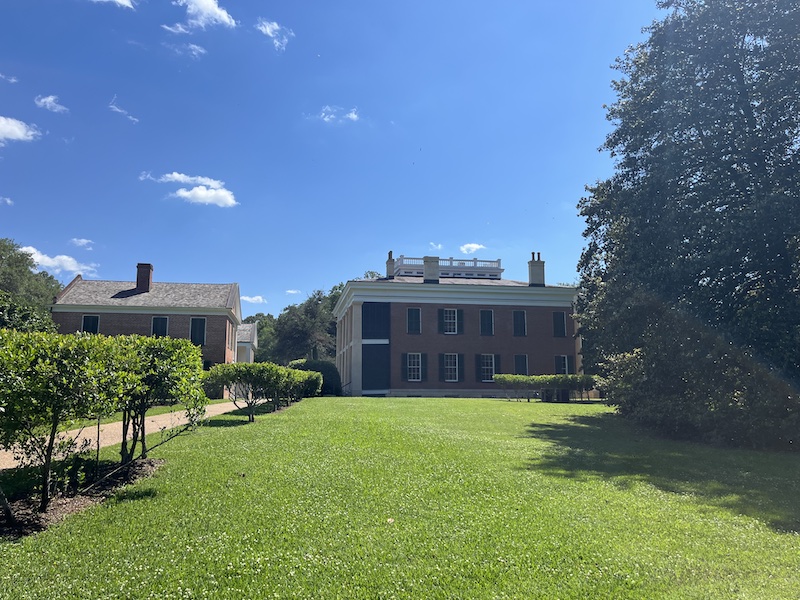
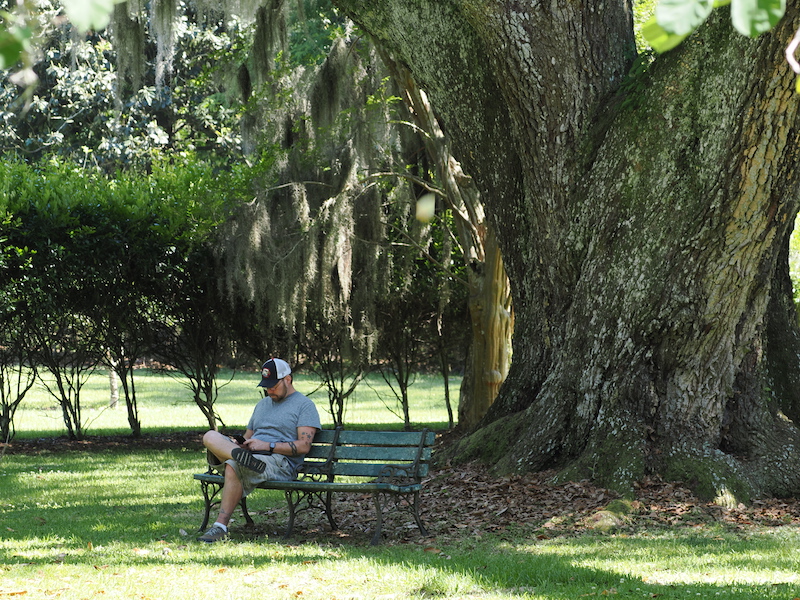
The second plantation mansion we visited had more land than this one but it also wasn’t part of any plantation, it was just their version of a vacation home. We didn’t take a tour of the house, instead wandered the grounds for a bit and then headed back home. The grounds included many secluded spaces for relaxation and ornamentation as well as functional kitchen gardens where they grew food and herbs.
Our last week here a tornado touched down a few miles south of us and we drove through the devastation on our way down to New Orleans. The tornado destroyed a mobile home park it hit so we are thankful to be headed out of this intense weather region. Still headed towards more heat and humidity but hopefully no tornado or hail hazards.